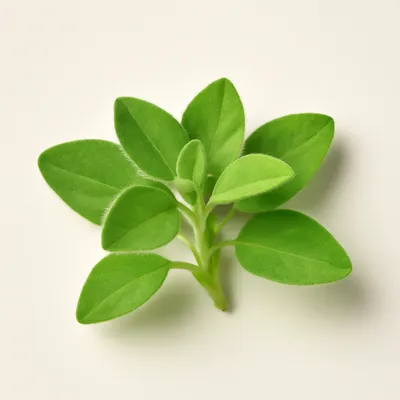
With a sweet, slightly peppery flavor and hints of citrus, marjoram offers a gentle, aromatic quality that elevates a dish without overpowering it. Its fragrance is both herbaceous and floral, making it a beloved herb in Mediterranean cuisines.
Where it comes from
Marjoram has roots in ancient Greek and Roman cooking, where it symbolized joy and was used in both culinary and medicinal applications.
In the kitchen
Marjoram is often used in dressings, marinades, and sauces, enhancing dishes like roasted meats and vegetables with its subtle, uplifting flavor.
Across cuisines
Marjoram is the herb that distinguishes Czech goulash from Hungarian — added in the last hour of the braise, it lifts the paprika-onion base with a faint pine-and-citrus aroma. Also defining in bramboráky, where it is the only herb in the batter.
Marjoram is the German sausage herb — ground into Thüringer Rostbratwurst, Bratwurst, and Knackwurst spice mixes, sprinkled onto Bratkartoffeln, and added to the brine for Eisbein pork knuckle. The Thuringian style insists on marjoram as the signature note; without it the sausage is generic Central European.
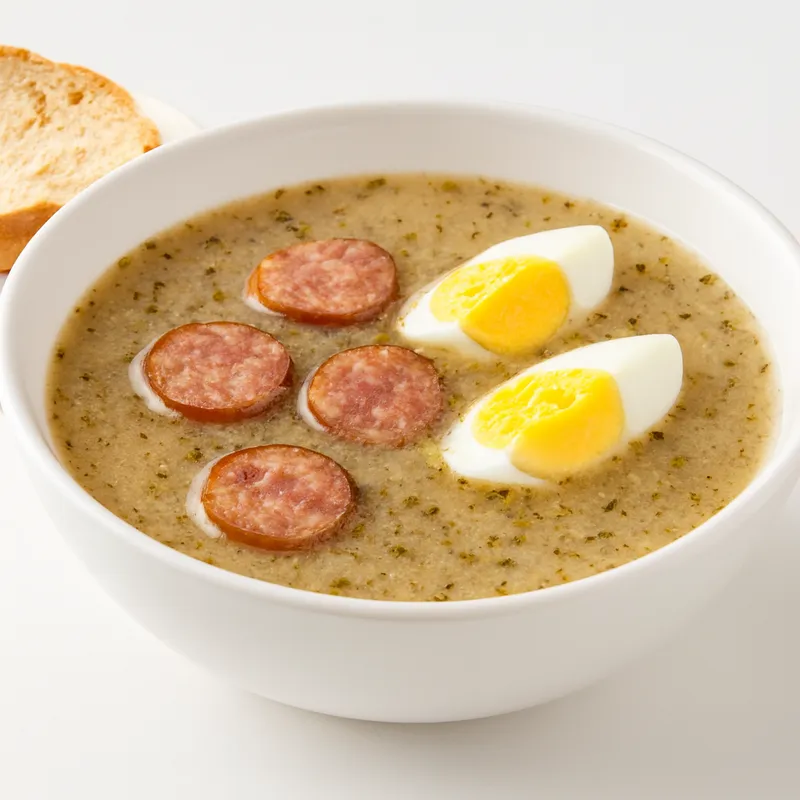
Marjoram (majeranek) is the Polish soup-and-sausage herb — pounded into the krupnik barley soup, into the żurek sour-rye soup, and into the kiełbasa Polish sausage spice mix. The note is gentler than oregano (its botanical cousin) and pairs with the Polish use of caraway and dill. Marjoram is the herb that quietly says 'Polish kitchen' without announcing itself.
Nutrition (per 100g)
AI-estimated; model and run unavailable.
Pairs well with