
Polish
Pierogi by the plateful, bigos that gets better with every reheat, and a kitchen built on cabbage, pork, and sour rye.
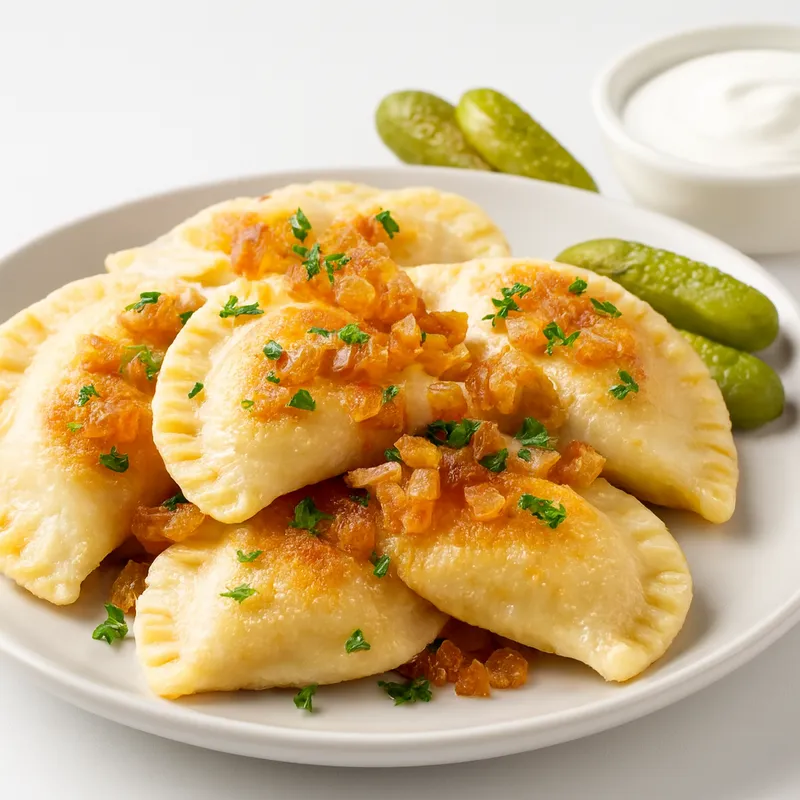
Pierogi
Dumplings filled with savory or sweet ingredients, symbolizing Polish comfort food and culinary tradition.
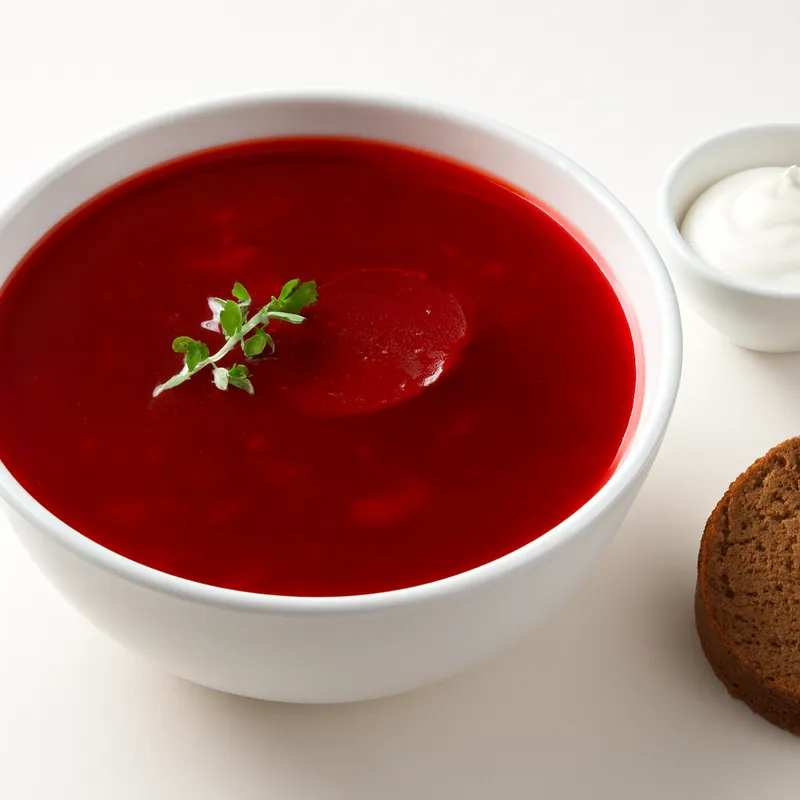
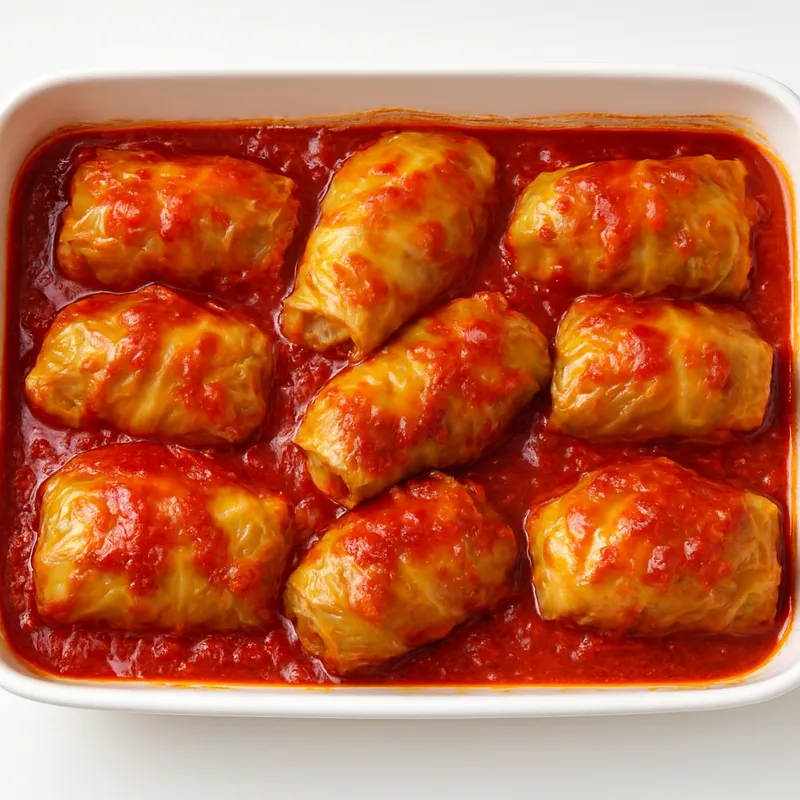
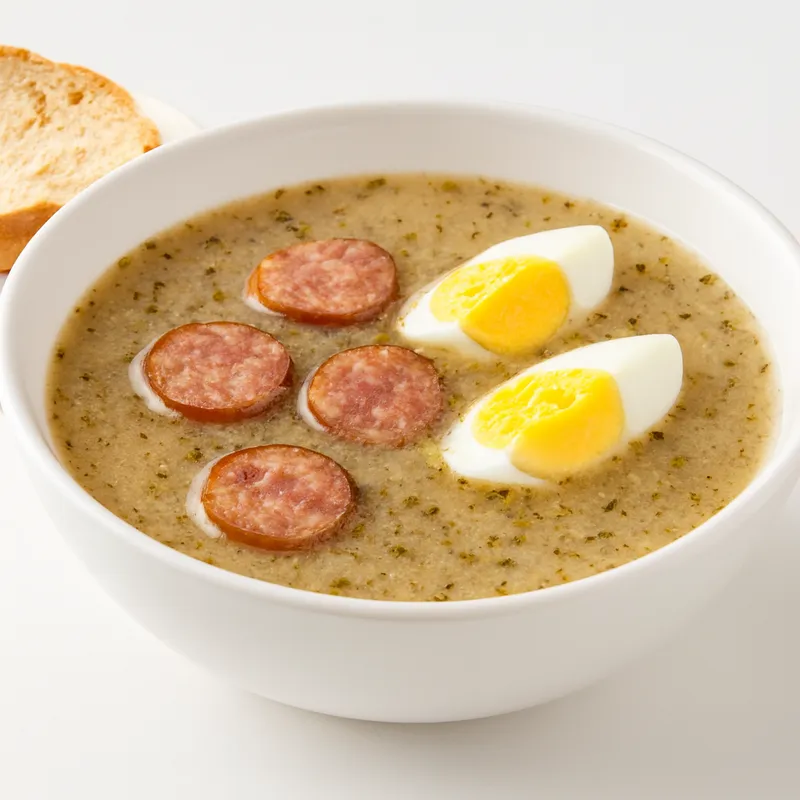
View page →A Polish meal unfolds slowly, course by course, with the steady generosity of a grandmother who will not let you leave hungry. It usually begins with soup — sour Żurek laced with smoked sausage and a halved egg, or a bright Barszcz the color of raw ruby. Pierogi arrive next, pinched shut around potato-and-cheese, sauerkraut-and-mushroom, or sweet cherry, depending on the season. Then something meaty — a pork cutlet pounded thin and breaded into Kotlet Schabowy, or Gołąbki cabbage rolls simmered in tomato. Bigos — the hunter's stew — sits on the stove at the back, getting better every hour.
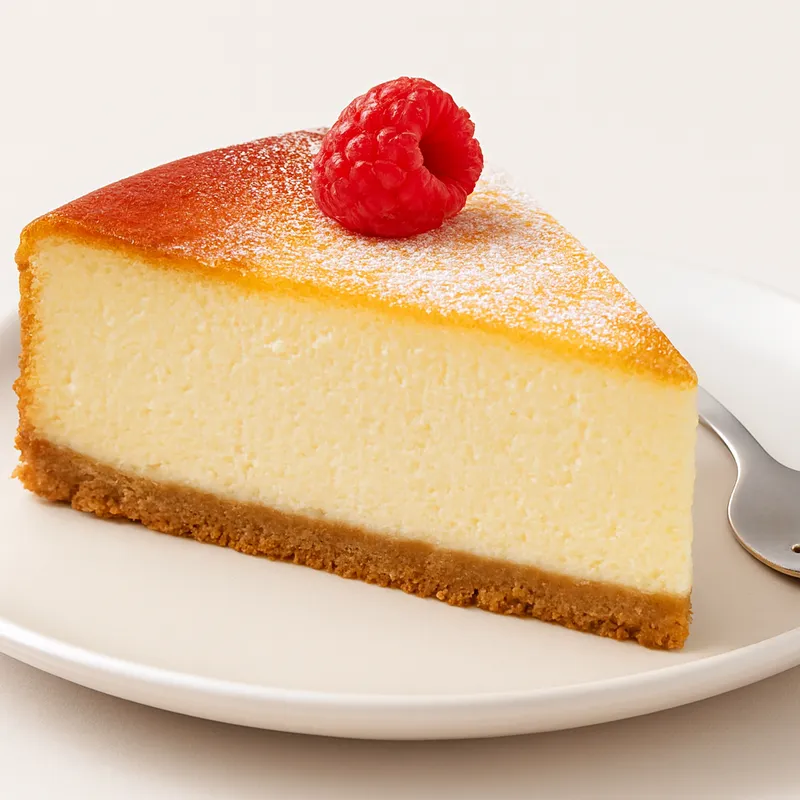
This is cuisine shaped by a long winter and the habit of preserving everything. Cabbage fermented into sauerkraut, pork cured into kielbasa, rye fermented into the zakwas starter that gives Żurek its sour bite. The flavors skew sour, smoky, and dill-forward, and the portions are generous. A Polish table doesn't rush you — there is always coffee and sernik cheesecake waiting, and the conversation always runs longer than the meal.
The Palate
What makes it taste like itself
Start Here
Soft wheat dumplings pinched shut around fillings — ruskie (potato and twaróg cheese) is the national favorite, but everything from sauerkraut-mushroom to sweet cherry is fair game.
Why start here · The most-loved dish in Polish cooking — teaches the pinched-dumpling technique that every babcia has in her hands.
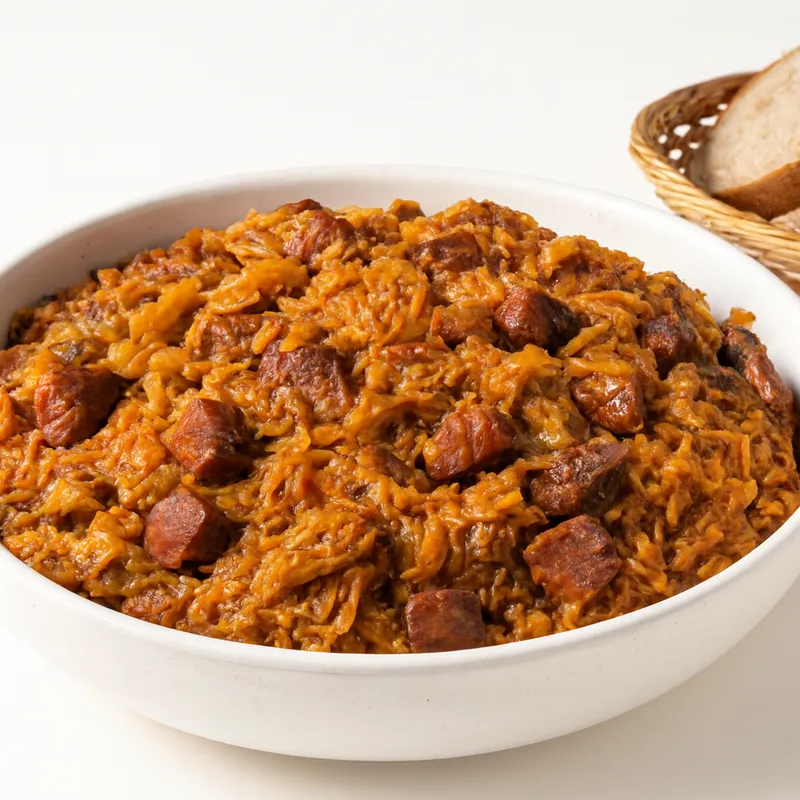
Sauerkraut, fresh cabbage, three kinds of pork, mushrooms, and prunes simmered for days. The hunter's stew that only gets better each time it's reheated.
Why start here · The defining Polish stew — shows how fermentation, smoke, and patience build flavor that no fresh cooking can touch.
Fermented rye (zakwas) soup with smoked sausage, potato, and a halved hard-boiled egg floating on top. Traditional Easter breakfast.
Why start here · Nothing else tastes like this — uniquely Polish, uniquely sour, and the clearest way into the country's love of fermentation.
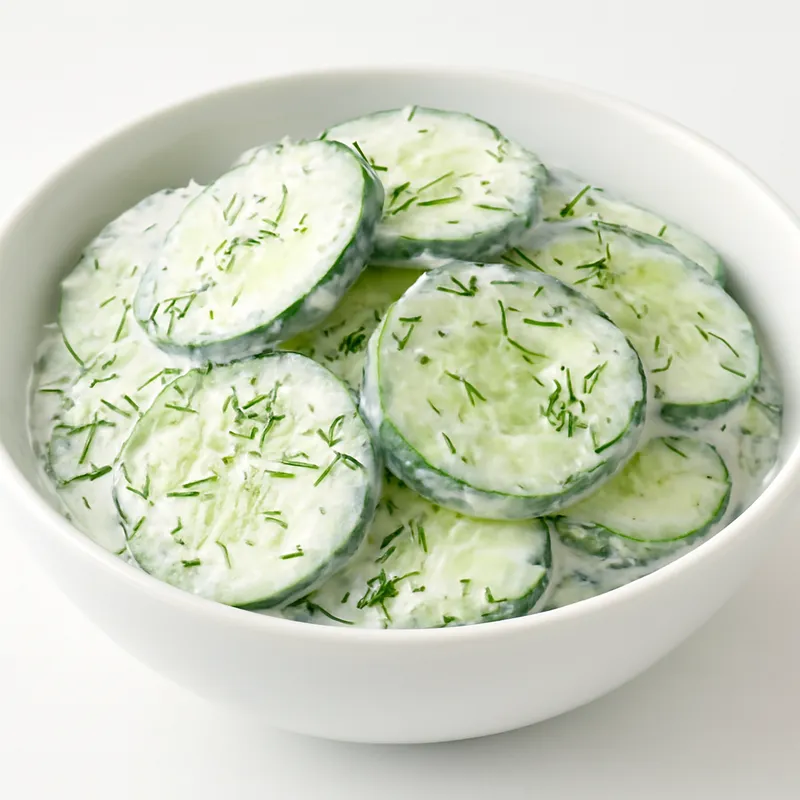
A pork loin cutlet pounded thin, breaded, and fried golden. Served with potatoes and sauerkraut or mizeria cucumber salad.
Why start here · The Polish Sunday-dinner staple — the cutlet is the center of the plate, and it teaches the breading technique that runs through the whole cuisine.
Cook First
The easiest way in


The Pantry





See all 174 ingredients›





Vegetables


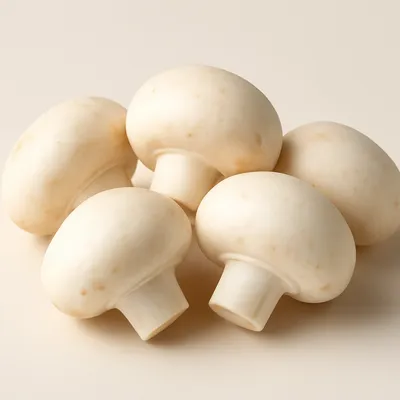



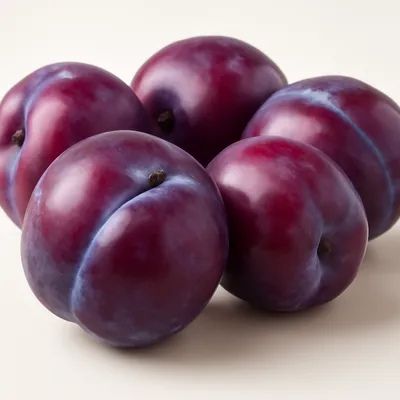


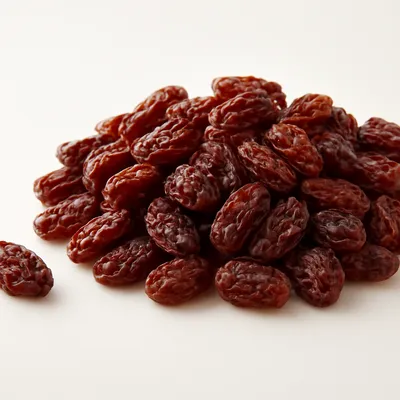
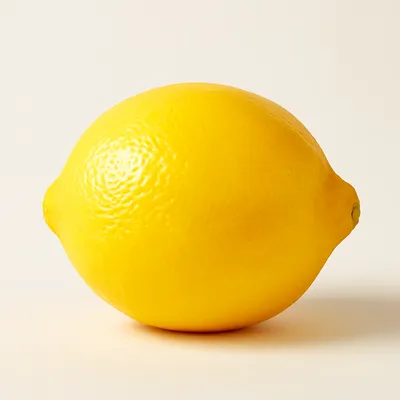




Grains & Staples
















Regional Kitchens
Four regional kitchens, from Kraków in the south to the Baltic coast. Tap a region to see its table.
Central Poland — the Warsaw urban canon. Pork cutlet, sausage, sour rye soup, beet borscht. The food a Pole abroad misses first.
Southern Poland — smoked sheep cheese, hunter's stew, Easter breads. Mountain shepherds and Galician trade routes.
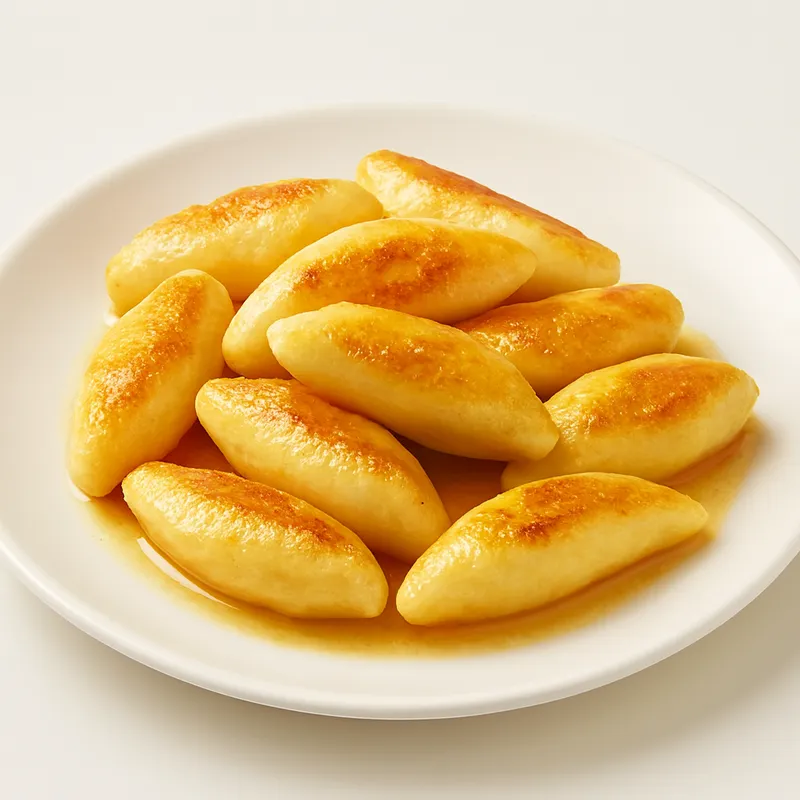
Southwestern Poland, bilingual border country — lazy dumplings, blood sausage, bread soup. Coal-mining families' table.
Northern Baltic coast — herring, smoked eel, river fish, Kashubian strawberry soup. The sea kitchen.
How They Cook
Techniques that define this cuisine
Smoking
Polish kielbasa is smoked in traditional brick smokers for hours, imparting a deep, savory flavor unique to the region.
Kindred Kitchens
Cuisines built on the same signature ingredients