

A direct adaptation of Wiener Schnitzel, brought to Polish kitchens during the Austrian partition era (1772–1918) when Galicia was under Habsburg rule. Polish cooks swapped veal for pork — cheaper and more available — and the dish entered the Polish home menu by the late 19th century, but only became a national icon after WWII, when communist-era pork production surged and it became a symbol of affordable plenty served in state-run milk bars. Lucyna Ćwierczakiewiczowa's 1860 cookbook "365 obiadów za pięć złotych" already gives a recipe — beating the meat, dipping it in egg mixed with water, breading it, and frying in butter or lard.
Adapted from Wiener Schnitzel during the Habsburg partition (1772–1918) — Polish cooks swapped veal for cheaper pork. Maria Disslowa's 1910 cookbook already lists it as standard. A splash of cold water in the egg makes the breading puff and detach: the prized soufflé effect.
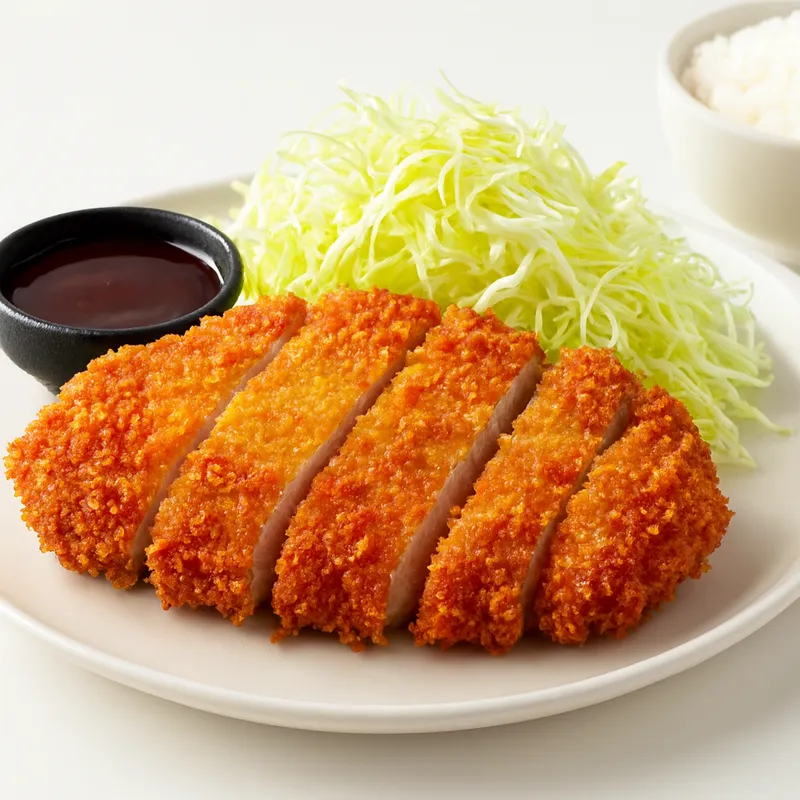
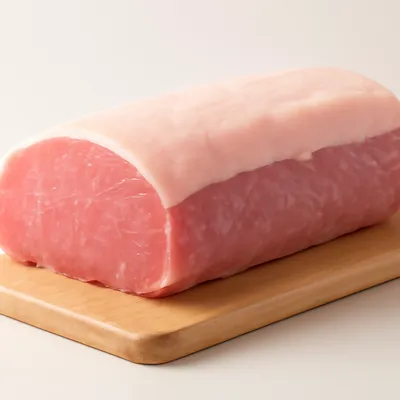
A pork loin chop pounded thin to the size of a dinner plate, breaded and shallow-fried golden in lard. Crisp on the outside, juicy inside; if it's grey or dry, the meat went in cold or the lard wasn't hot enough. Plated next to mashed potato and a pile of mizeria (cucumber-sour cream salad) or pickled cabbage. The Sunday lunch of every Polish household.
The pounding is structural, not cosmetic: it breaks the muscle fibers so the chop cooks evenly in 90 seconds per side without going dry. Standard breading (flour-egg-breadcrumbs) but Polish cooks add a splash of cold water to the egg, which makes the crust puff and detach slightly from the meat — the prized soufflé effect. Lard, not oil; lard takes higher heat without smoking and gives the crust its specific savory note.
Variations
Standard schabowy (pork loin, breaded, fried in lard); kotlet de volaille (chicken Kiev cousin, butter-stuffed); kotlet mielony (ground pork patty, the cheap weeknight version); Bar Mleczny chains across Poland sell schabowy z ziemniakami i mizerią as the Sunday plate.
On the Palate
Where Kotlet Schabowy sits in the Polish flavor cloud
Pound the pork thin and even so it cooks through in about 90 seconds a side without drying — flattening breaks the muscle fibers, and a thin, uniform cutlet is what lets the crust and the meat finish at the same moment.
Ingredients




How it's made
4 steps · 28 min
- 15 min
Pound the pork cutlets gently with a meat mallet until they are about 1/4 inch thick. Season both sides with salt and pepper.
Watch outPound from the center outward with even strokes to keep it one flat thickness — thick spots stay pink while thin edges overcook.
- 210 min
Prepare three shallow dishes: one with flour, one with beaten egg, and one with breadcrumbs. Dredge each cutlet in flour, then dip in egg, and finally coat with breadcrumbs, pressing gently to adhere.
Watch outPress the crumbs on firmly so no meat shows — bare patches let oil straight into the pork and won't crisp.
- 35 min
In a large skillet, heat oil over medium-high heat until shimmering. Carefully lay the breaded cutlets in the pan, being careful not to overcrowd.
Watch outMake sure the oil is shimmering but not smoking, as too high a temperature can burn the breading.
- 48 min
Fry the cutlets for about 3-4 minutes on each side until golden brown and cooked through. They should sizzle gently as they cook.
Watch outIt should sizzle steadily, not violently — a gentle even sizzle browns the crust just as the thin meat finishes at about 3 to 4 minutes a side.
Archive tool suggestions — not reviewed
These legacy suggestions have not been evidence-reviewed and are not presented as required tools.
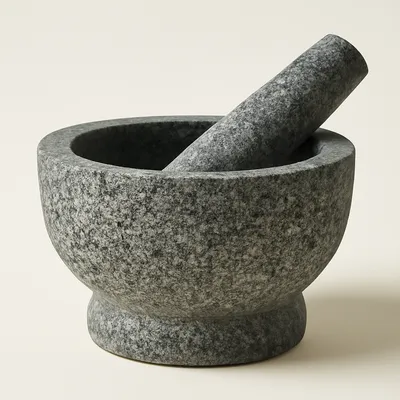
The simplest tool in any kitchen: a heavy bowl and a club to bash things in it. Different cuisines use different stones — Thai cooks pound green papaya in a tall granite mortar (krok hin); pesto Genovese requires the soft-pored Carrara marble; Indian masalas grind down on rough basalt. The bash-don't-cut motion releases volatile oils that a blade keeps sealed in the cell wall.
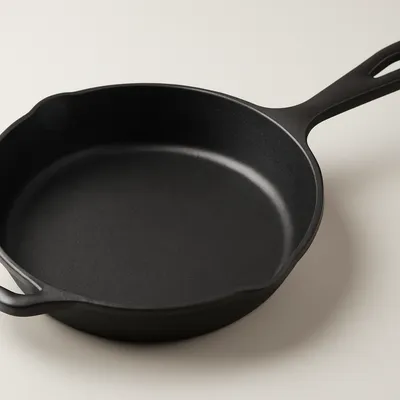
A heavy, single-piece cast iron pan, 25-30 cm across, weighing 1.5-2.5 kg. Once preheated, the thick mass holds 230°C+ even when a cold steak hits the surface — that's the secret to a deep crust. A well-seasoned skillet (multiple thin layers of polymerized oil baked into the iron) is essentially nonstick, gets better with use, and lasts a century. Lodge skillets from Tennessee have been in continuous production since 1896.