




Documented in Polish records from the 13th century as żur — peasant fare made from leftover sour rye starter, the same one used for bread. The name comes from German sauer ("sour"). Originally a Lenten soup (no meat allowed), white sausage was added back when the fast broke on Easter morning. The bread bowl is a 20th-century restaurant flourish, not historical.
Sourness comes from zakwas — rye flour fermented 4–5 days with wild Lactobacillus turning starch to lactic acid. Powdered shortcut mixes use citric acid and taste metallic. The bread bowl is a 20th-century restaurant trick, not history.
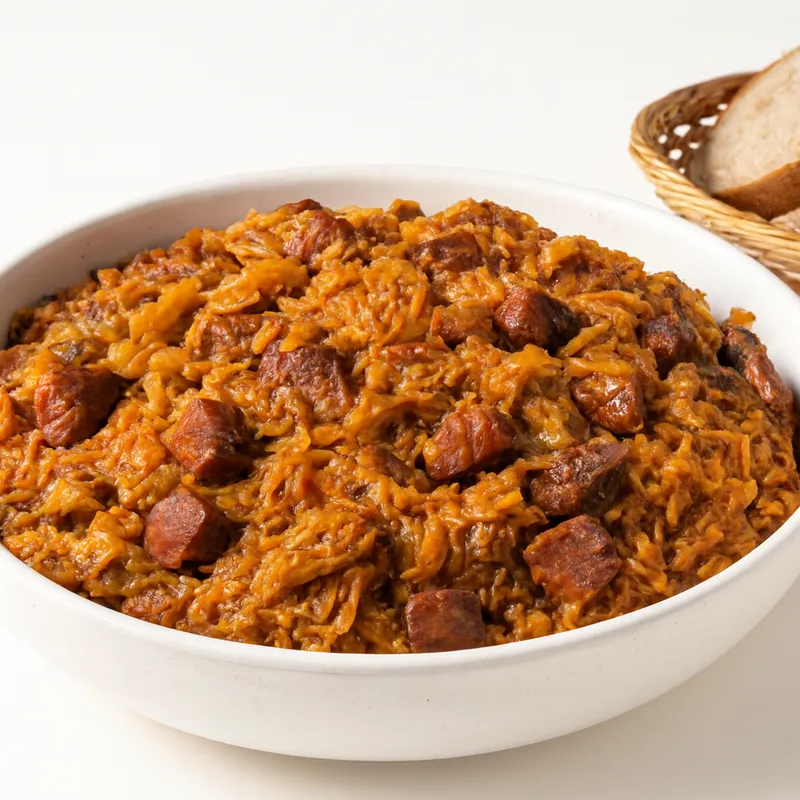
A milky-grey soup, slightly cloudy, served in a hollowed-out round of dark bread or in a deep bowl. Sour-tangy from fermented rye flour, smoky from white sausage (biała kiełbasa), with half a hard-boiled egg sitting in the middle and grated horseradish on top. Eaten on Easter Saturday and as a hangover cure year-round.
The sourness is not from vinegar or lemon — it's from a 4–5 day rye-flour fermentation called zakwas, where wild Lactobacillus convert rye starches to lactic acid. The flavor is rounder and earthier than a vinegar sour. Grocery-store powdered żurek mix uses citric acid as a shortcut and the result tastes flat and metallic. A real zakwas smells like a bread starter, slightly funky; that's the marker for the soup that will follow.
Variations
Małopolska adds white sausage and horseradish; Silesian żur śląski floats halved boiled eggs; Lenten meatless version with mushroom only; Bar Mleczny milk-bar version comes in a styrofoam cup with a plastic spoon for 8 złoty.
On the Palate
Where Żurek sits in the Polish flavor cloud
The sour has to come from a real rye ferment, not vinegar: build a zakwas by leaving rye flour and water to ferment 4–5 days until wild lactobacilli turn it tangy and faintly funky like a bread starter — that round, earthy sour is the whole soul of the soup.
Ingredients







How it's made
5 steps · 1 hour active + 3 days waiting
- 10 min
In a medium saucepan, combine rye flour with water to create a sourdough starter. Let it ferment at room temperature for 3-4 days until it develops a tangy aroma.
Watch outAfter four or five days the starter should smell pleasantly sour and yeasty like a bread ferment and look slightly bubbly — that funky-tangy nose is the marker it's ready.
- 230 min
In a large pot, bring water to a gentle boil. Add pork ribs and let them simmer for about 30 minutes until they start releasing their flavor.
Watch outSimmer the ribs slowly, skimming the foam, until the broth turns savory and the meat loosens — a gentle simmer keeps the stock clean rather than greasy.
- 315 min
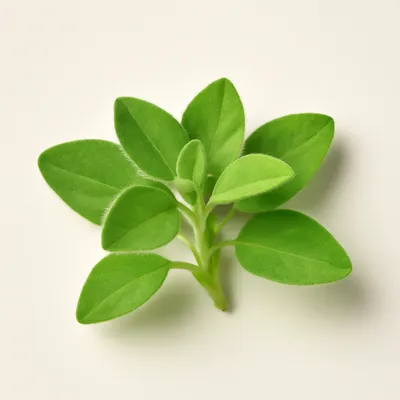
Add chopped potatoes, garlic, and marjoram to the pot. Continue simmering until the potatoes are tender, about 15 minutes.
Watch outCheck the potatoes for tenderness to avoid overcooking.
- 410 min
Stir in the fermented rye mixture and sliced sausage. Let the soup simmer for another 10 minutes, allowing the flavors to meld together.
Watch outOnce the whisked ferment goes in, keep it at a bare simmer for about ten minutes and never let it boil hard, or the soup can split and the sour goes flat.
- 55 min
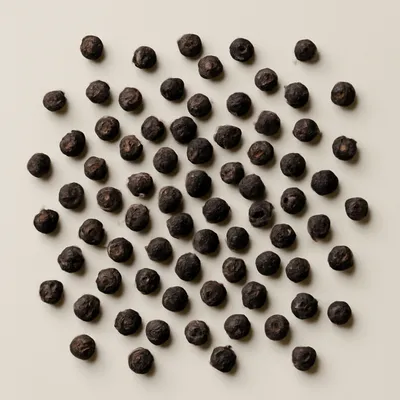
Adjust seasoning with salt and pepper. Serve hot, garnished with sliced hard-boiled eggs and crispy bacon bits for a hearty finish.
Watch outTaste before serving to ensure the seasoning is balanced.
Archive tool suggestions — not reviewed
These legacy suggestions have not been evidence-reviewed and are not presented as required tools.