

Kiełbasa is the generic Polish word for sausage; recipes are documented from the 14th century at least. Each region keeps its own: kiełbasa krakowska is a thick smoked loaf, kiełbasa lisiecka (PGI-protected since 2010) comes from villages near Kraków and uses 85% lean pork from a single hog leg, kiełbasa myśliwska ("hunter's") is dried and snack-sized. The U-shape (kabanos style) is Cold-War-era retail packaging.
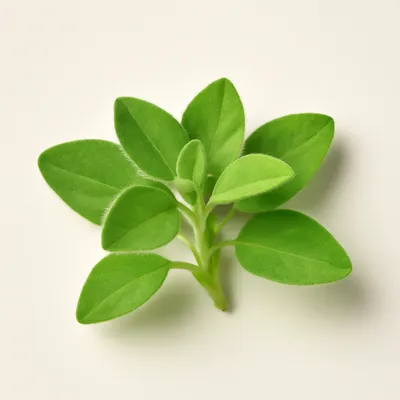
Recipes documented from the 14th century. Kiełbasa lisiecka has held EU PGI status since 2010 — must be 85% lean pork from a single hog leg, made within a few villages near Kraków. Real Polish kielbasa is cold-smoked over fruit wood under 30°C for 4–8 hours; marjoram, not paprika, is the load-bearing herb.
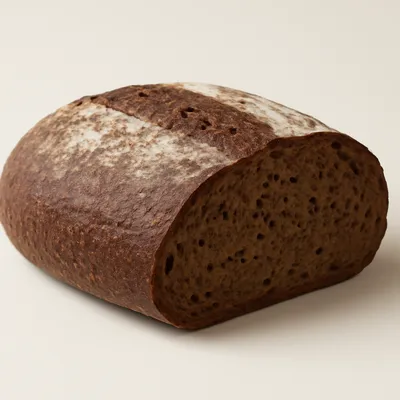
A coiled or U-shaped pork sausage, garlicky, marjoram-scented, smoked over fruit wood until the casing turns mahogany. Sliced on the bias and pan-warmed, served with mustard and rye bread, or grilled whole over coals. The casing should snap audibly on the first bite; if it tears soggy, the smoke was too cool or the sausage was over-boiled.
Real Polish kielbasa is cold-smoked over fruit wood (apple, beech, juniper) for 4–8 hours at under 30 °C, then briefly hot-smoked or hung. North American "kielbasa" sold in supermarkets is usually water-injected, hot-smoked liquid-smoke-flavored emulsion sausage — the texture is rubbery, the flavor is one-note. Marjoram, not paprika, is the load-bearing herb; a kielbasa without marjoram is something else.
Variations
Krakowska is a thick smoked loaf for slicing cold; lisiecka is the PGI single-leg version near Kraków; myśliwska ("hunter's") is dried snack-sized; kabanosy are pencil-thin air-dried sticks; American supermarket "kielbasa" is hot-smoked emulsion sausage and a different animal.
On the Palate
Where Kielbasa sits in the Polish flavor cloud
Ingredients

How it's made
5 steps · 45 min active + 2 hours waiting
- 110 min
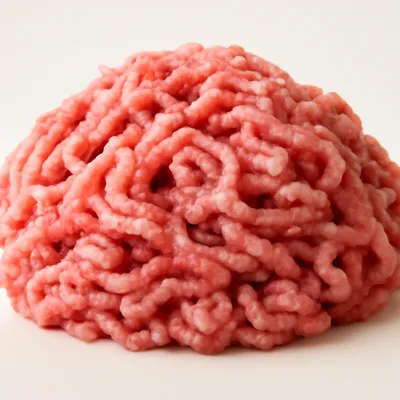
Finely mince the garlic and mix it with the ground pork, salt, and pepper in a large bowl. Use your hands to ensure the spices are evenly distributed throughout the meat.
Watch outMix by hand until the meat turns tacky and the marjoram is streaked all through, that stickiness means it will hold together.
- 20 min
Soak the sausage casings in warm water until they are pliable and easy to handle. This should take about 15 minutes.
Watch outEnsure the casings are not too dry, as they can tear during stuffing.
- 320 min
Using a sausage stuffer, fill the casings with the seasoned meat mixture. Be careful not to overfill to prevent the casings from bursting.
Watch outStuff firm but leave a hair of slack, run your fingers along to work out air pockets before twisting.
- 45 min
Twist the filled casings at regular intervals to form individual sausages. Let them rest in the refrigerator for at least an hour to allow the flavors to meld.
- 510 min
Smoke the sausages over a low heat until they are firm and have absorbed a rich, smoky flavor, about 2 hours. The internal temperature should reach 71°C (160°F).
Watch outPull them at 71°C internal; the casing tightens and rings with a light snap, past that it dries out.
Archive tool suggestions — not reviewed
These legacy suggestions have not been evidence-reviewed and are not presented as required tools.