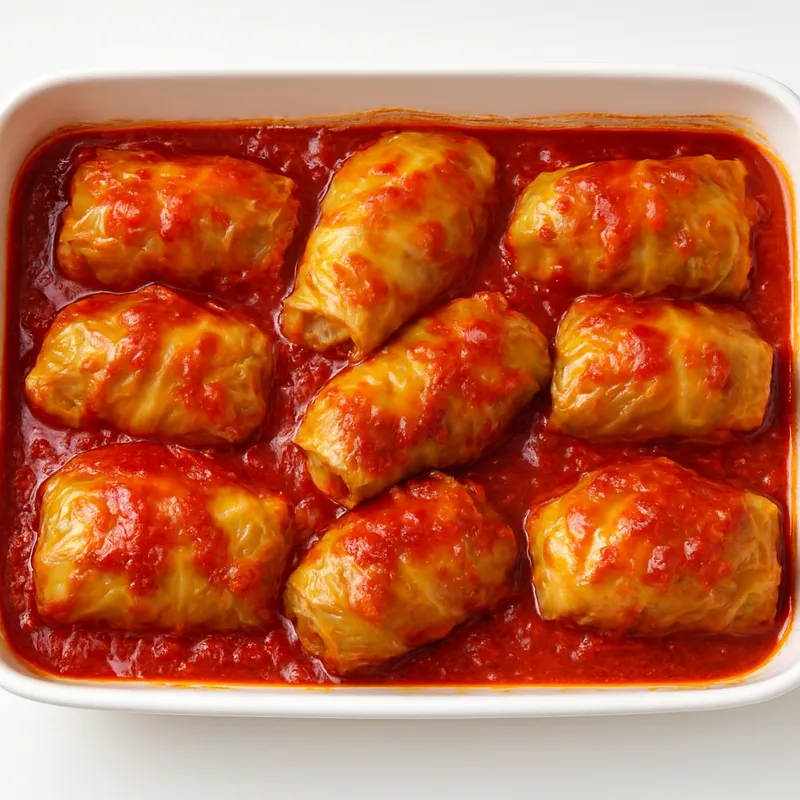
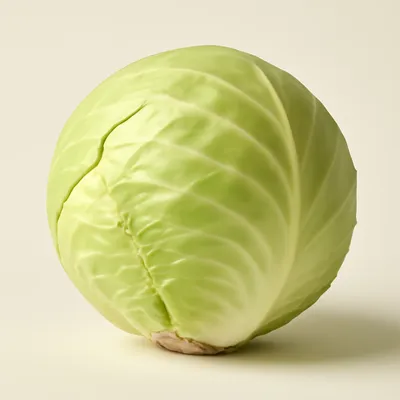




Stuffed cabbage entered Hungarian cooking via Ottoman influence — the Turks held central Hungary 1541-1699 and brought stuffed-vegetable techniques (dolma) from the Balkans and Anatolia. Hungarian cooks swapped grape leaves for the local sour cabbage and added paprika once it spread in the 18th century. Now the standard Christmas Eve and New Year's Day dish across the country.
Ottoman dolma logic adapted to local sour cabbage during the 1541-1699 Turkish hold on central Hungary; paprika came in the 1700s. The cabbage must be lacto-fermented, not blanched fresh — the acid breaks the leaf so it rolls without splitting and seasons the broth from inside.
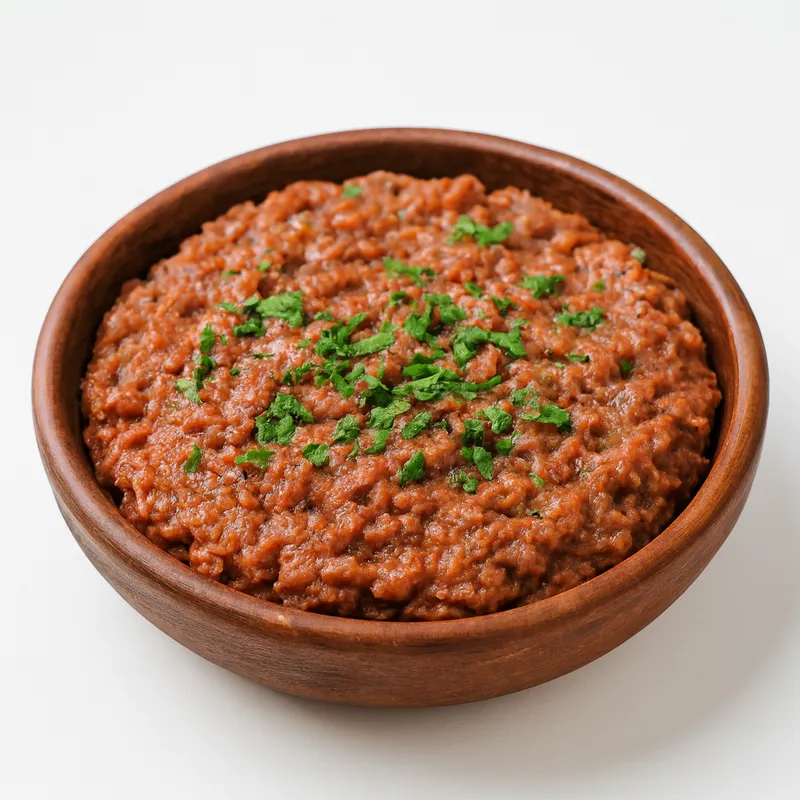
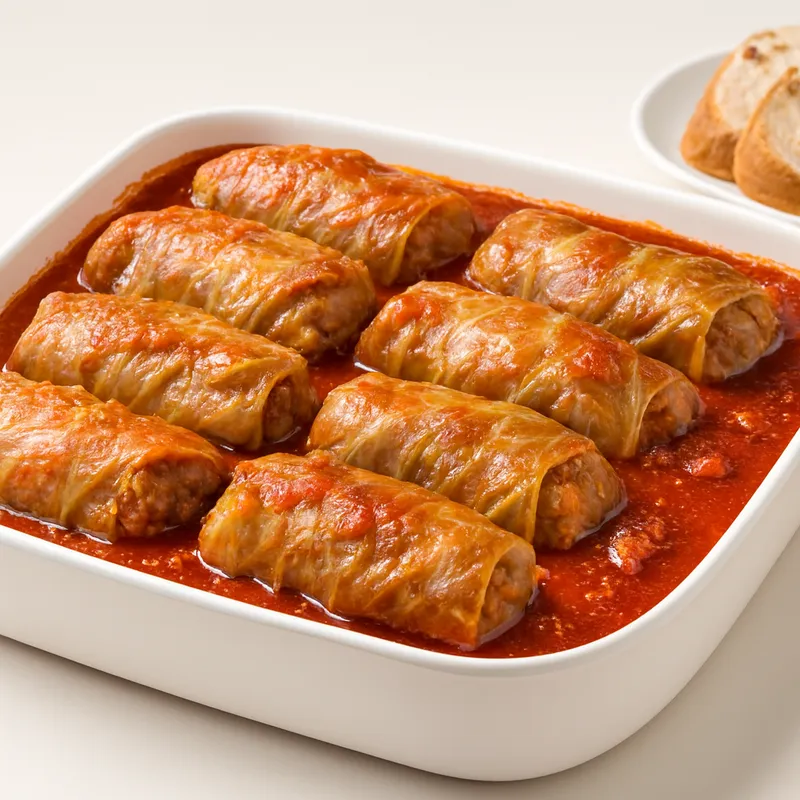
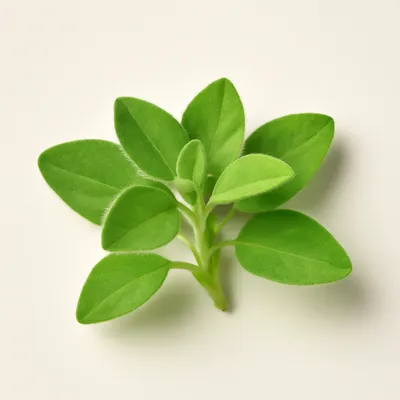
Whole sour-cabbage leaves rolled around a paste of ground pork, rice, onion, paprika, and marjoram, layered over sauerkraut and simmered for hours with chunks of smoked pork ribs. Served two rolls per plate with a spoon of sour cream on top. The cabbage should bend, not snap, and the broth should taste of smoke and paprika before anything else — tomato, where used, is a regional accent, not the base.
The cabbage must be lacto-fermented (sour), not blanched fresh — the acid breaks down the leaf so it rolls without tearing and seasons the broth from the inside out. Long simmering (3+ hours) is not optional: collagen from the smoked ribs has to dissolve into the liquid, and the rice in the filling needs time to swell against the meat without going mushy. Reheated next day is better — the smoke deepens overnight.
Variations
Kolozsvári töltött káposzta (Transylvanian, layered casserole with sauerkraut between rolls); Szegedi (whole rolls in heavily-paprika'd broth); Vajdasági (Vojvodina, with smoked pork knuckle); Christmas-Eve standard across Hungary.
On the Palate
Where Töltött Káposzta sits in the Hungarian flavor cloud
Ingredients





How it's made
5 steps · 1 hour 40 min
- 15 min
Core the cabbage and blanch the leaves in boiling salted water until they are pliable, about 5 minutes. The leaves should be tender but not falling apart.
Watch outThe leaf is ready the moment it drapes and bends without cracking — floppy, not falling apart.
- 210 min
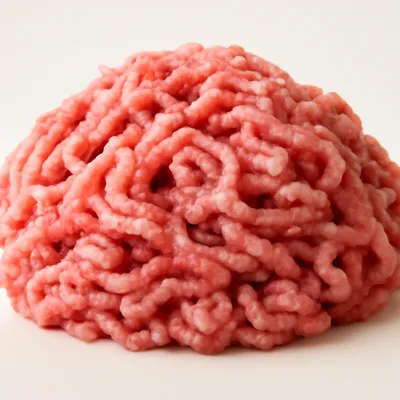
In a large bowl, combine ground meat, rice, finely chopped onions, salt, pepper, and paprika. Mix until the ingredients are evenly distributed and the mixture is fragrant.
Watch outEnsure the mixture is well combined to avoid uneven seasoning.
- 315 min
Place a spoonful of the meat mixture onto each cabbage leaf, rolling tightly and tucking in the sides to form a neat parcel. Secure with a toothpick if needed.
Watch outRoll it snug enough to feel firm in your palm; a squishy loose parcel will open in the pot.
- 410 min
In a large pot, layer the stuffed cabbage leaves. Pour tomato sauce over the top, ensuring each roll is covered. Bring to a simmer over medium heat.
Watch outEnsure the sauce is evenly distributed to prevent burning at the bottom.
- 560 min
Cover and cook gently until the meat is cooked through and the cabbage is tender, about 1 hour. The aroma should be rich and inviting.
Watch outBarely a bubble breaking the surface — a rolling boil shreds the leaves and cloudy sauce means it ran too hot.
Archive tool suggestions — not reviewed
These legacy suggestions have not been evidence-reviewed and are not presented as required tools.