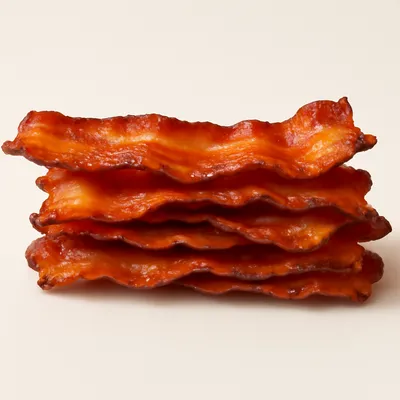

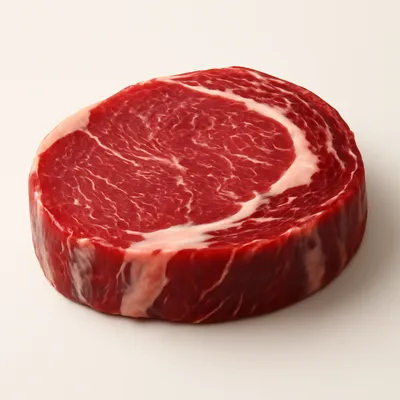


Documented in 19th-century German cookbooks across regions, with the Rhineland and Silesia claiming the earliest forms. Originally made with pork (beef only took over in the 20th century), the technique — rolling thin meat around a brine pickle and bacon — is a thrift dish: stretches a small cut, the marinade-y filling tenderizes a tough slice during long braising. Sunday dinner status came with the postwar economic miracle, when beef became affordable for working households.
Thin beef wrapped around bacon, onion, and a whole pickle, then braised — the pickle brine is structural, seeping into the meat to break connective tissue from inside. Cornstarch-thickened gravy instead of pan fond is the supermarket tell.
Thin slices of beef wrapped around bacon, onion, and a whole pickle, browned hard then braised until the roll yields to a fork. Dark gravy thickened with the pan fond, served over potato dumplings or red cabbage. Cut crosswise on the plate so you see the spiral. The pickle brine cuts the gravy — that sour streak is the point.
The pickle is structural, not garnish: its brine seeps into the beef during the braise, breaking down connective tissue from inside while bacon fat lubricates from the other direction. Skip the pickle and the roll tastes flat, no matter how long you cook it. The gravy must be built from the same pan — fond plus a roux of mustard and red wine. Cornstarch slurry instead of fond is the supermarket tell.
Variations
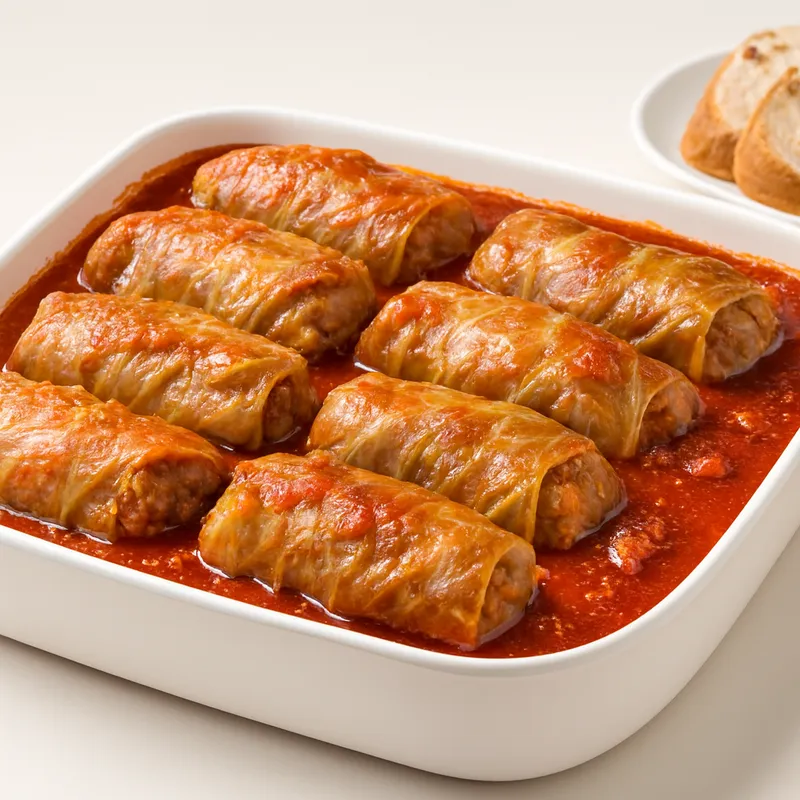
Rheinischer Sauerbraten-Rouladen (Rhineland, sweet-sour gravy with raisins); Schlesische Rouladen (Silesian, smoked bacon and pickled cabbage inside); Kohlrouladen swaps beef wrap for cabbage leaves; Italian involtini is the closest cousin.
On the Palate
Where Rouladen sits in the German flavor cloud
The pickle is structural, not garnish — its brine seeps in during the long braise and breaks down the tough beef from the inside, so never leave it out or the roll tastes flat no matter how long you cook.
Ingredients

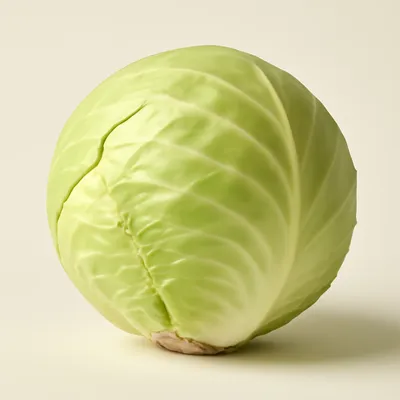



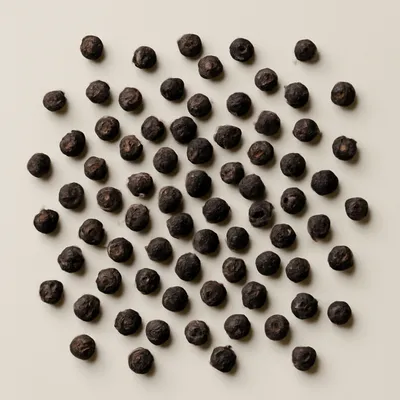
How it's made
4 steps · 19 min active + 1 hour 30 min waiting
- 15 min
Lay out the beef slices on a clean surface. Spread a thin layer of mustard over each slice, then place a strip of bacon and a slice of pickle at one end.
- 23 min
Roll the beef slices tightly around the filling, securing them with toothpicks or kitchen twine.
Watch outRoll it genuinely tight and pin it well — a loose roll springs open the moment it hits the hot oil.
- 38 min
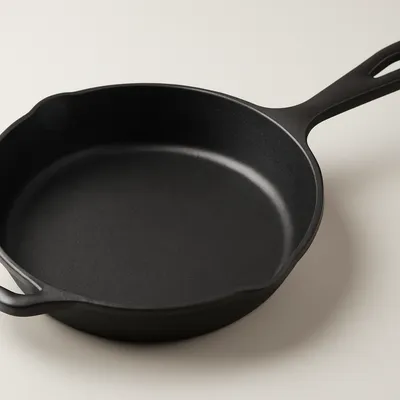
In a large skillet, heat a little oil over medium-high heat. Add the rouladen and brown on all sides, about 8 minutes.
Watch outBrown the rolls hard on every side, a full 8 minutes — those stuck-on bits are the fond your gravy is built from.
- 43 min
Add the chopped onion to the skillet and cook until translucent, about 3 minutes. Pour in the broth, bring to a simmer, and cover. Cook for 1.5 to 2 hours until the beef is tender.
Watch outKeep it at a bare simmer under the lid for the full 1.5 to 2 hours — a hard boil toughens the beef instead of melting it tender.
Archive tool suggestions — not reviewed
These legacy suggestions have not been evidence-reviewed and are not presented as required tools.