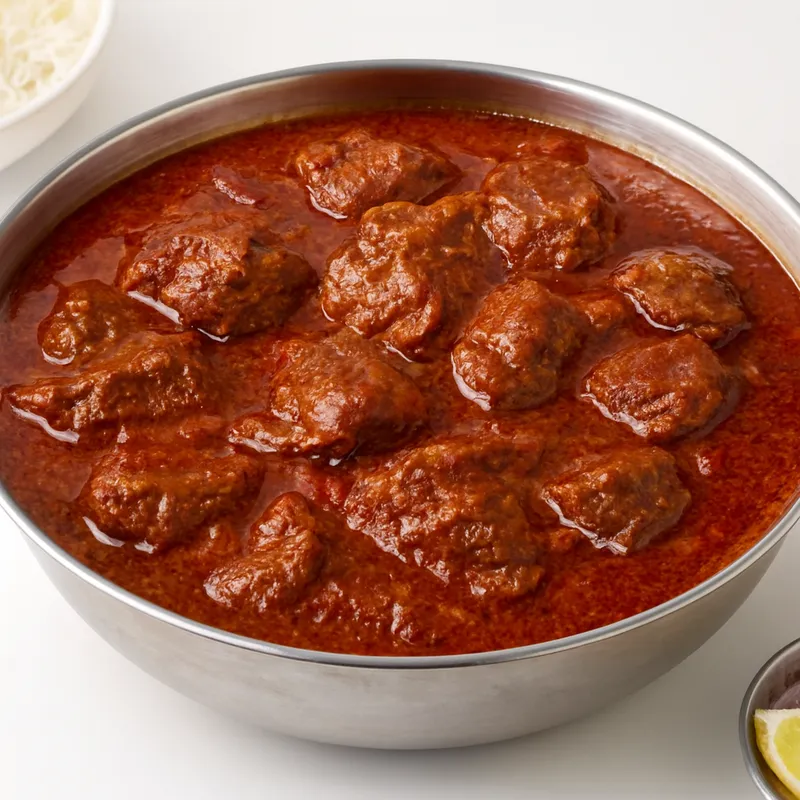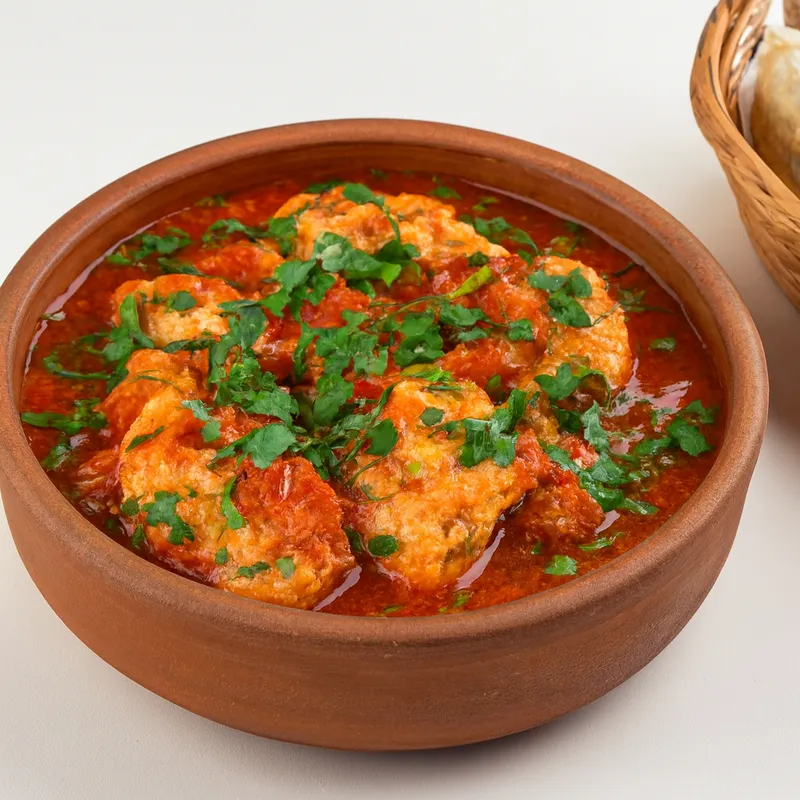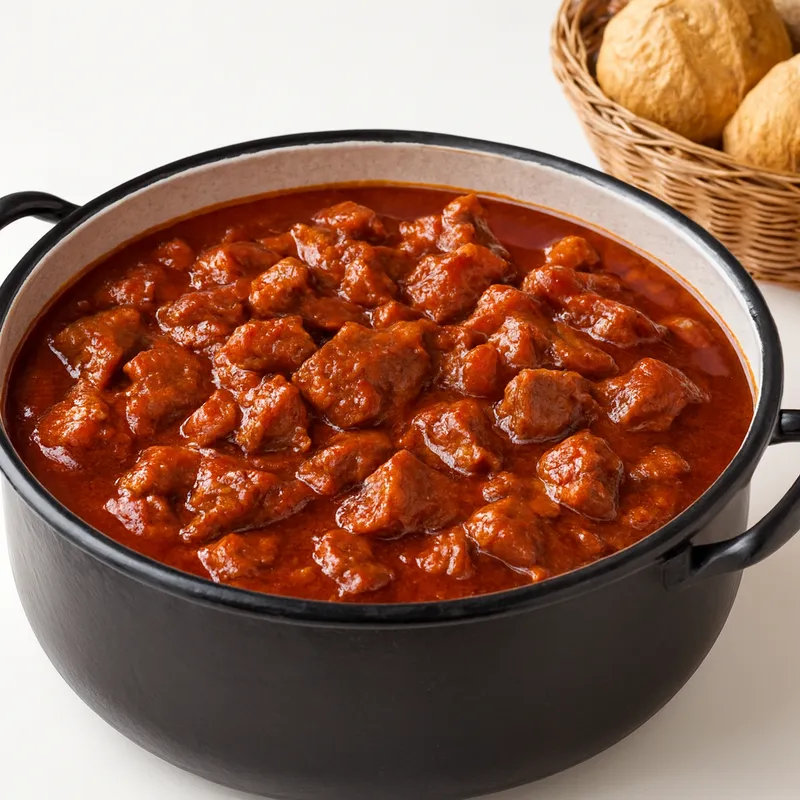




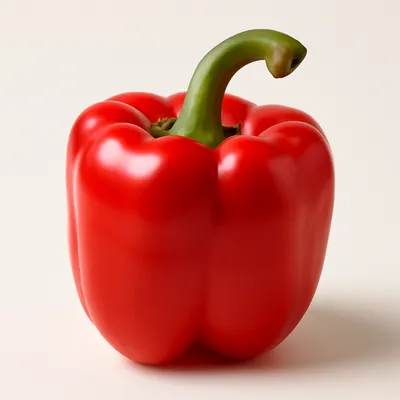
A herdsman's pot from the Hungarian Great Plain (Alföld), traditionally cooked outdoors in a bogrács kettle over a wood fire. The name comes from pörkölni, "to sear/singe" — referring to browning the onion and meat hard at the start, the step the whole dish is built on. Paprika reached Hungary with the Ottomans in the 1500s–1600s but was grown only as a garden ornamental until the early 1800s, when it swept into Hungarian kitchens and displaced older spices like black pepper. Pörkölt as a named, defined dish took its modern form in the 19th century, once paprika was central — derived from the older herdsmen's-stew tradition rather than predating it.
Herdsman's pot from the Alföld plain, cooked in a bogrács kettle over wood. Pörkölni means to scorch — onion and meat get hammered hard before the lid goes on.
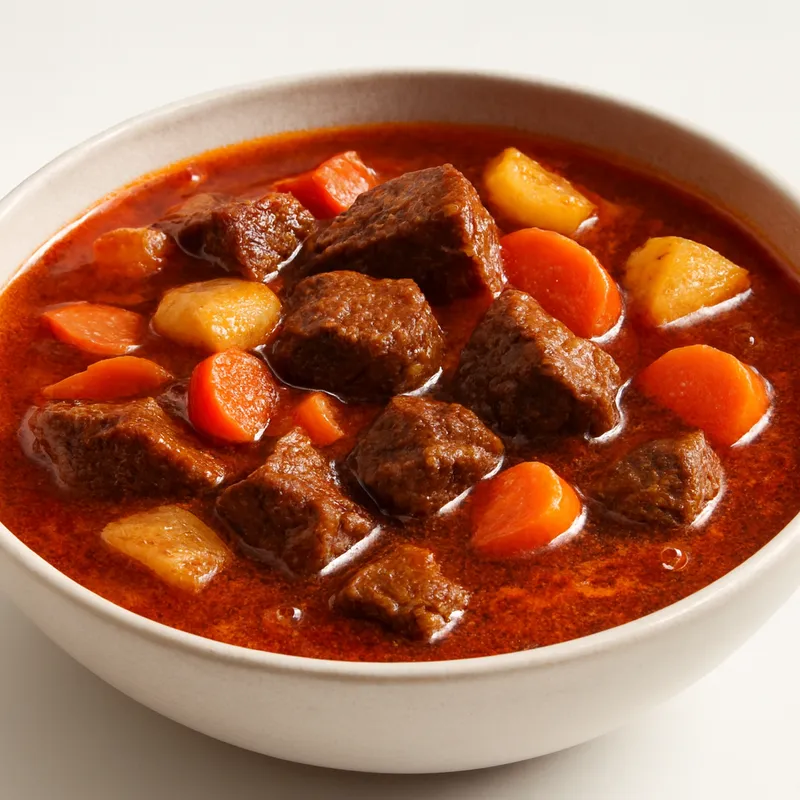
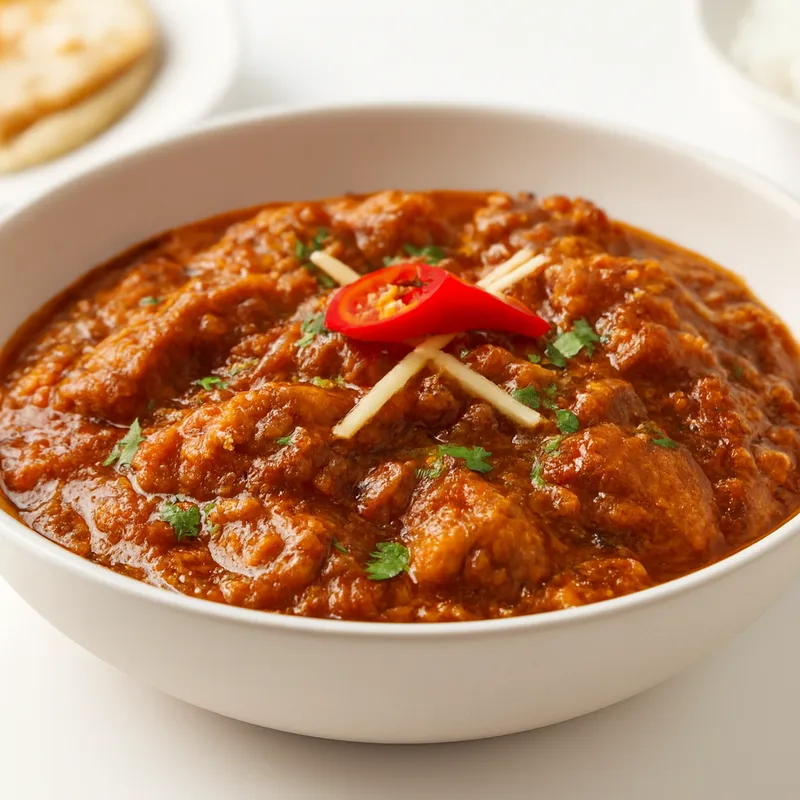
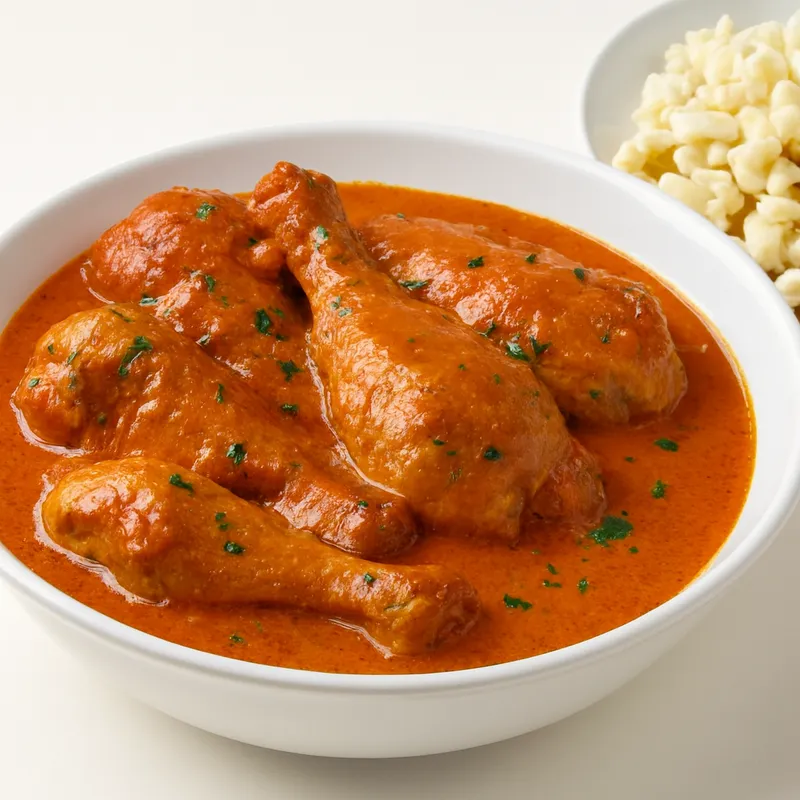
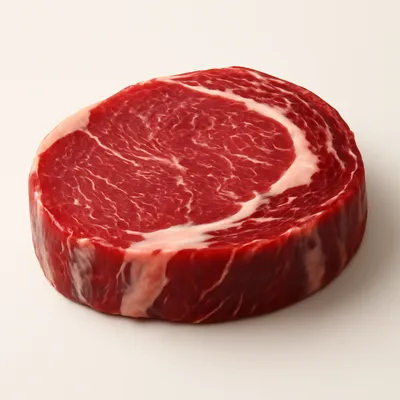
Cubes of beef shin or shoulder (or pork, or game) braised slowly with a heavy weight of onion until the onion has dissolved into a thick paprika-stained gravy that barely covers the meat. No cream, no flour, no broth — just meat, onion, fat, paprika, salt, and the meat's own juices. Eaten with nokedli or boiled potatoes. Knife-tender, fork-pulling.
Equal weight of onion to meat is the rule, not a guideline — the onion is the sauce. There is no added liquid; the moisture comes entirely from the slowly collapsing onion plus the meat's juices. The lid stays on for the bulk of the cook so steam recirculates. The pörkölt-vs-gulyás split: gulyás (goulash) is a soup with broth and vegetables, while pörkölt is the dry, low-liquid braise; and pörkölt differs from paprikás in taking no stirred-in sour cream (paprikás is finished with flour or sour cream and runs saucier).
Variations
Marhapörkölt (beef shin), sertéspörkölt (pork), borjúpörkölt (veal), and vadpörkölt (game, often venison or boar); a tripe version, pacalpörkölt, is also classic. Gulyás is the separate soup version, made with broth and vegetables.
On the Palate
Where Pörkölt sits in the Hungarian flavor cloud
Brown the onion and meat hard at the start and add no water beyond a splash — the equal weight of collapsing onion is the sauce, so a pale, wet start gives you a watery stew with no depth.
Ingredients





How it's made
5 steps · 1 hour 22 min
- 15 min
Heat a large pot over medium heat and add chopped onions. Cook until they are soft and golden, releasing a sweet aroma, about 5 minutes.
Watch outTake the onion past golden to a deep, jammy soft — this is where the body of the sauce comes from, so don't rush it off pale.
- 22 min
Add minced garlic and a generous amount of paprika to the onions. Stir constantly to bloom the spices without burning them, for about 2 minutes.
Watch outThe paprika should turn glossy and smell sweet-toasty in seconds; if it smokes or smells sharp, it's burning — lower the heat immediately.
- 310 min
Add the meat chunks to the pot, turning to brown them on all sides. This should take about 10 minutes, creating a rich, savory base for the stew.
- 460 min
Pour in enough water to cover the meat and bring to a gentle simmer. Cook uncovered, allowing the flavors to meld and the meat to become tender, for about 1 hour.
Watch outBarely any liquid should be visible — the meat cooks mostly in onion and its own juices, so if it looks soupy you added too much water.
- 55 min
Stir occasionally and adjust seasoning with salt if needed. Continue simmering until the sauce thickens slightly and coats the meat well.
Archive tool suggestions — not reviewed
These legacy suggestions have not been evidence-reviewed and are not presented as required tools.