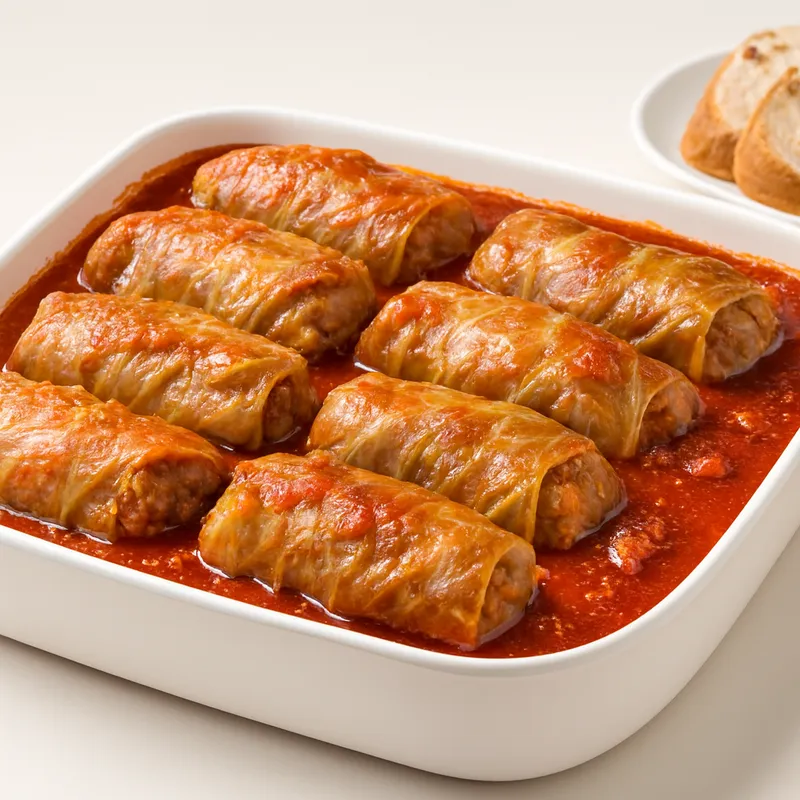
Transylvanian sour-cabbage soup — fermented cabbage simmered with smoked pork, paprika, sour cream, and dill into a bright-orange winter restorative, eaten daily during cold months in Szekler villages.





Káposztaleves (literally 'cabbage soup') is the most-iconic Transylvanian Hungarian winter dish — what every Szekler grandmother makes when the weather turns cold and what kids beg for after returning from sledding. The fermented-cabbage base, paprika red, smoked-pork depth, and sour-cream-and-dill finish are the dish's quartet of flavors. The soup is also widely made in mainland Hungary, but the Transylvanian version is the most sour-forward (using more fermentation brine) and the most smoke-heavy (with proportionally more smoked pork). Found at every Sunday-lunch table in winter, every wedding soup-course, and every Christmas Eve meal in Szeklerland.
Ladle a bowl of káposztaleves: the soup is bright orange-red, dotted with shreds of sour cabbage, chunks of smoked pork, and dill flecks. The first sip is sharply sour from the fermentation brine; the smoked pork's wood-smoke depth follows; the paprika's sweet warmth balances; the sour cream adds creamy roundness. Tear a piece of rye bread, dip into the soup, take a bite. This is what Hungarians mean when they say 'winter food' — restorative, fermented, smoke-deep.
The 45-minute simmer balances three flavor releases: smoked pork's lipid-soluble smoke compounds infuse the broth, sauerkraut's lactic acid sharpens (pH drops below 4), and paprika's carotenoids dissolve into the fat to color the soup orange. Adding sour cream at the end (off-boil) keeps the cream's protein matrix intact for the velvety finish; boiling would curdle it.
Variations
The Transylvanian Szekler version is the sourest (uses more fermentation brine) and is often seasoned with dill and tarragon; the mainland Hungarian version is milder and adds smoked sausage. A fresh-cabbage version (without fermentation) also exists and is much lighter. The dish is a close cousin of korhelyleves, the spiced sauerkraut-and-meat 'hangover soup' — which is why káposztaleves itself is also a popular New Year's Eve dish.
On the Palate
Where Káposztaleves sits in the Hungarian flavor cloud
Stir the sour cream in off the boil at the very end — heat above a simmer curdles its proteins into grainy threads instead of the velvety finish this soup wants.
Ingredients
Serves 6


How it's made
5 steps · 30 min active + 1 hour waiting
- 110 min
In a heavy pot, render 200g smoked pork belly or smoked bacon (diced) over medium heat 8 min until fat has melted and meat is crispy. Remove meat with slotted spoon, leaving rendered fat in pot.
- 28 min
In the rendered fat, sauté 1 chopped large onion + 4 minced garlic cloves until golden, 6 min.
- 33 min
Add 2 tbsp sweet paprika + 1 tsp ground caraway + 1 tbsp tomato paste; stir 1 min off-heat (paprika burns easily).
Watch outOff the heat, the paprika should turn the fat glossy orange in seconds — if it smells sharp or acrid, it burned.
- 453 min
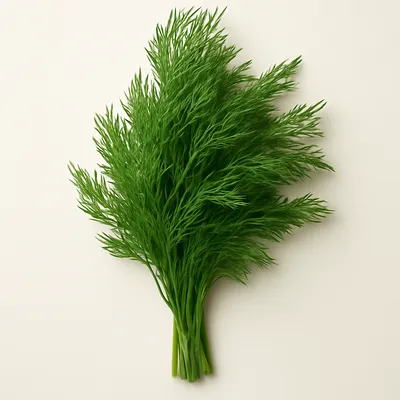
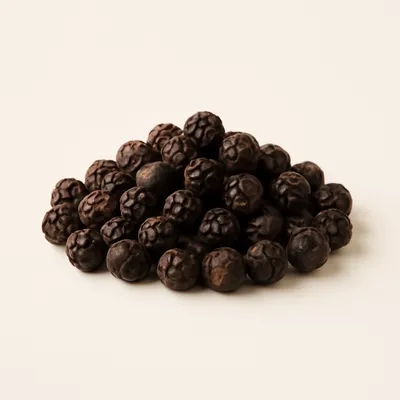
Add 500g shredded sauerkraut (drained but not rinsed) + 400ml sauerkraut brine + 1.5L chicken or vegetable broth + 2 bay leaves + 1 tsp pepper. Return the crispy smoked pork. Bring to a simmer; cook covered 45 min.
- 516 min
Adjust salt (sauerkraut already provides some). Stir in 200ml sour cream + 2 tbsp chopped fresh dill at the end (don't boil after adding cream). Serve hot in deep bowls with rye bread on the side and extra sour cream + paprika to taste.
Watch outAfter the cream goes in the surface should stay smooth and satiny — any graininess means it got too hot.
Archive tool suggestions — not reviewed
These legacy suggestions have not been evidence-reviewed and are not presented as required tools.