
Hungarian
Paprika everywhere, sour cream on top, and goulash cooked over an open fire on the Great Plain.
Paprika
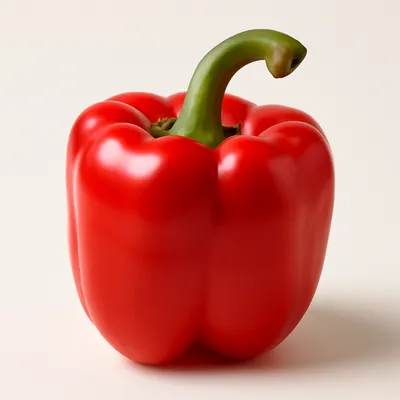
Paprika, a spice made from ground peppers, is indispensable in Hungarian cuisine for its vibrant color and flavor.
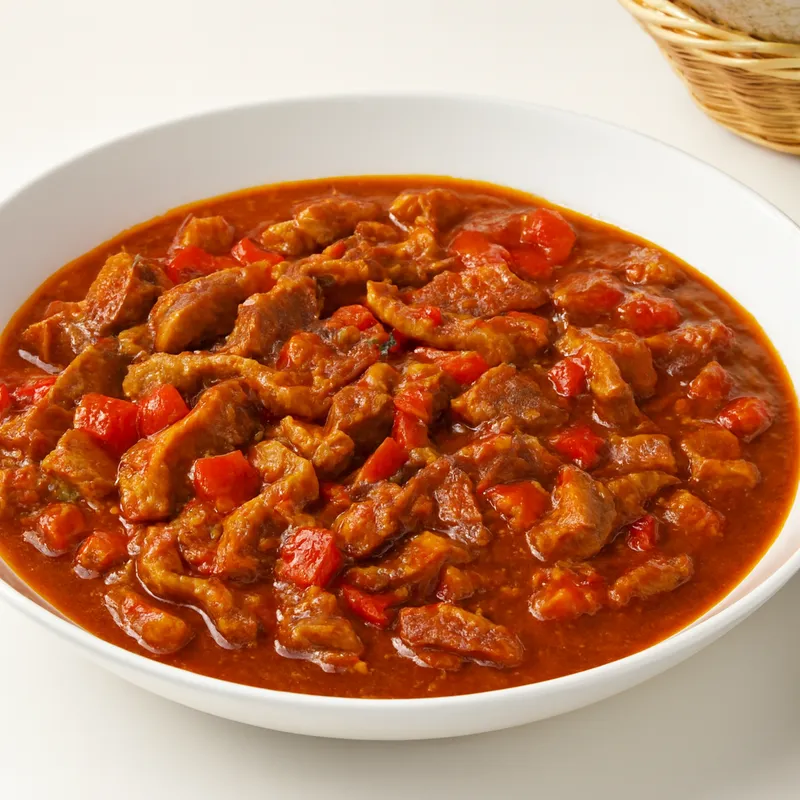
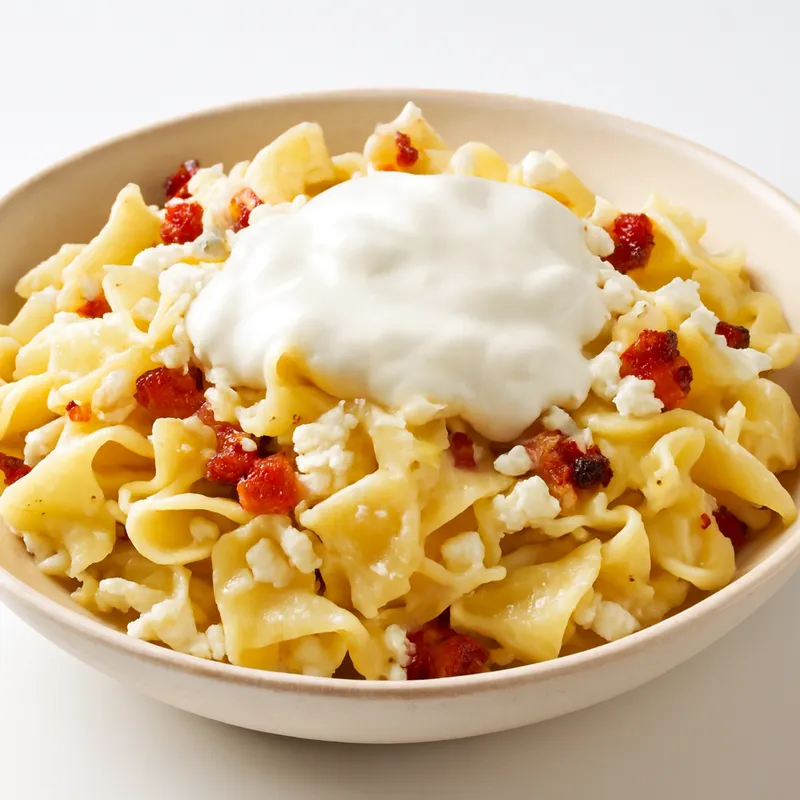
View page →A Hungarian kitchen smells like paprika before anything else. The spice — sweet and smoky, never the thin fiery kind — gets bloomed in lard before onion, meat, or water ever enter the pot. That's the beginning of Gulyás, of Pörkölt, of Paprikás Csirke, of Halászlé. Everything else follows.
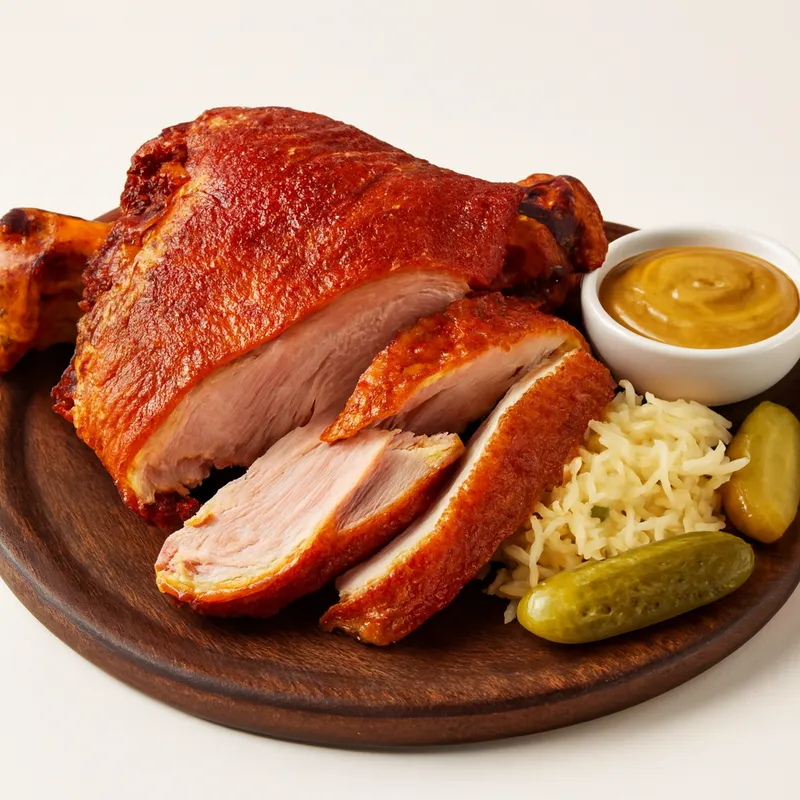
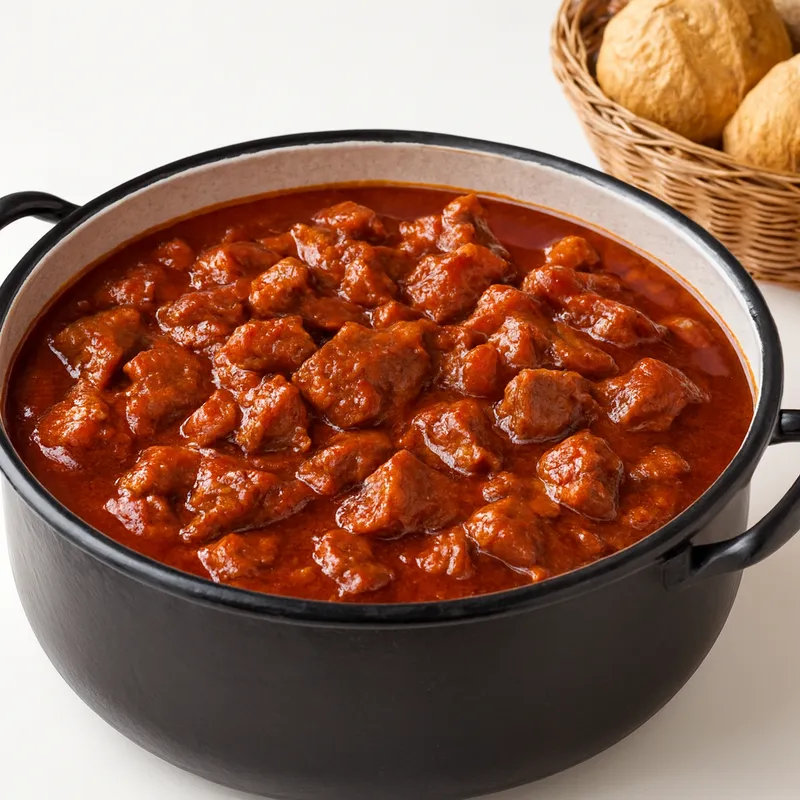
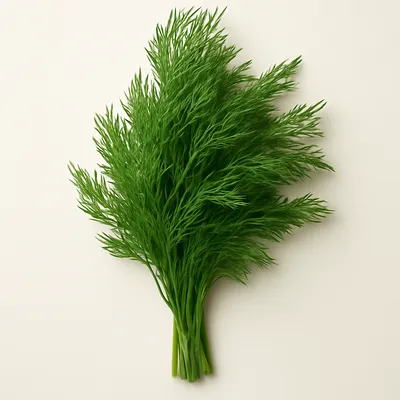
This is cuisine shaped by the puszta — the Great Plain's grass sea — and by the open-fire bogrács kettle of shepherds and fishermen. Stews run long and thick, finished with a crown of sour cream and a shower of fresh dill. Bread comes at every meal, and the pantry is built on pork, goose, river fish, cabbage, and the paprika that arrived with the Turks in the 1500s and never left. The food is unshowy, slow-built, and generous — a meal here is always one you can keep eating after you think you're done.
The Palate
Start Here
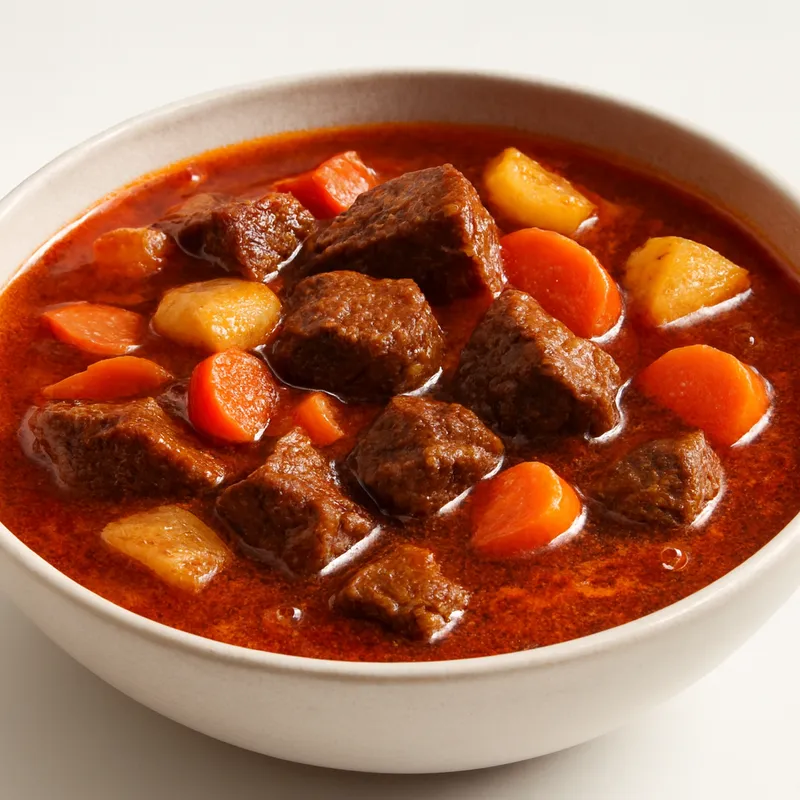
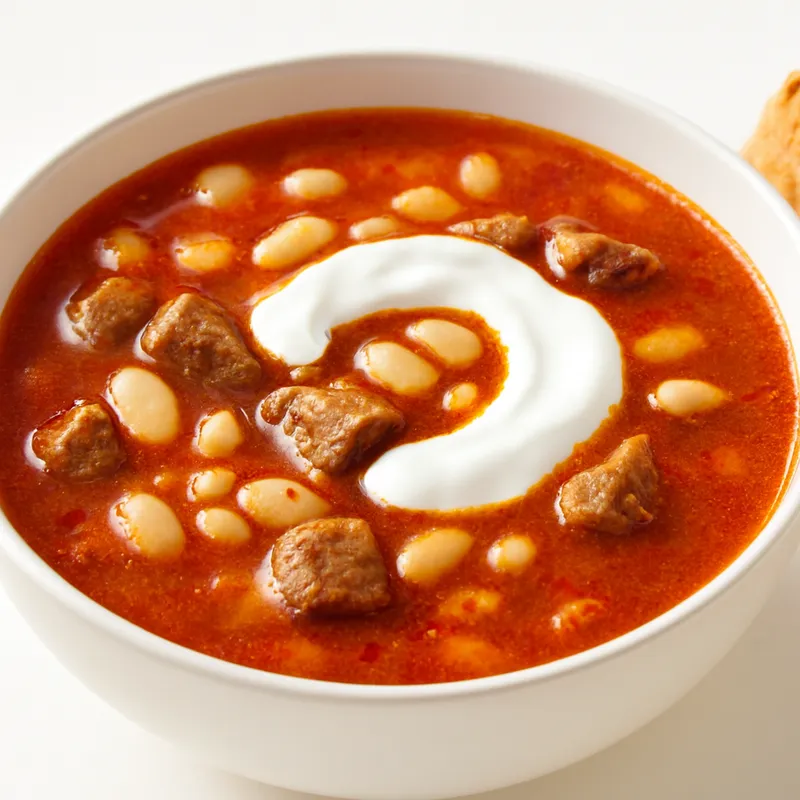
Beef, onion, potato, and sweet paprika simmered down to a thick soup — not a stew — over an open fire. The original one-pot cattleman's meal.
Why start here · The country's best-known dish and the clearest example of paprika-blooming — learn this and you understand the whole Hungarian kitchen.
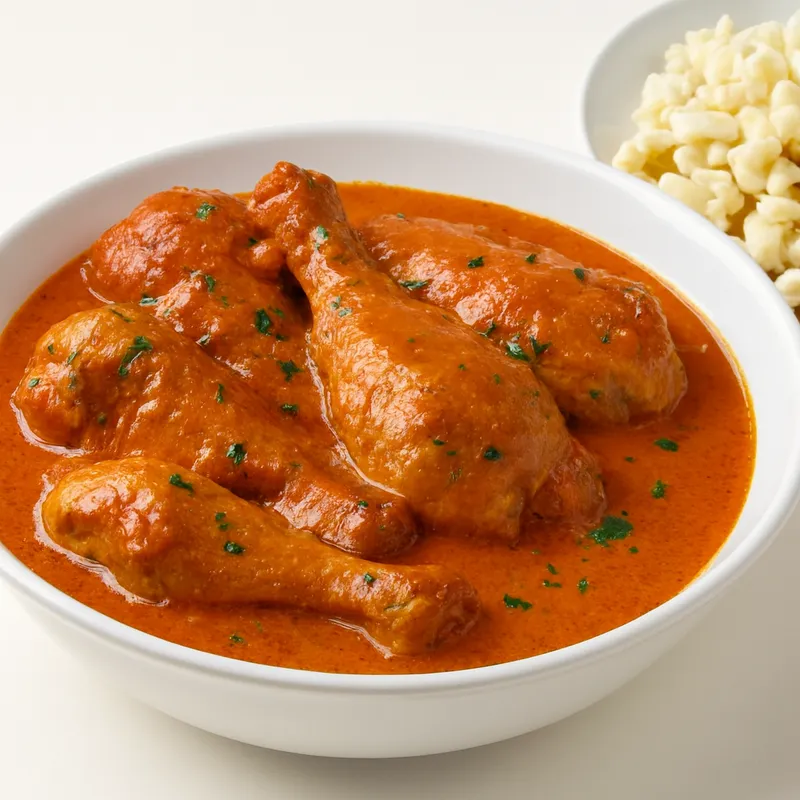
Chicken braised with sweet paprika, onion, and sour cream until the sauce turns brick-red and velvety. Served over nokedli egg dumplings.
Why start here · Shows Hungarian cooking's sweet-paprika-and-sour-cream signature — and the Austro-Hungarian debt to dairy that sets it apart from its neighbors.
Deep-fried yeasted flatbread, still puffed and blistered, rubbed with garlic and blanketed with sour cream and grated cheese.
Why start here · Street food at its most uncompromising — shows how Hungarians turn four pantry staples into the single most craveable thing at any market.
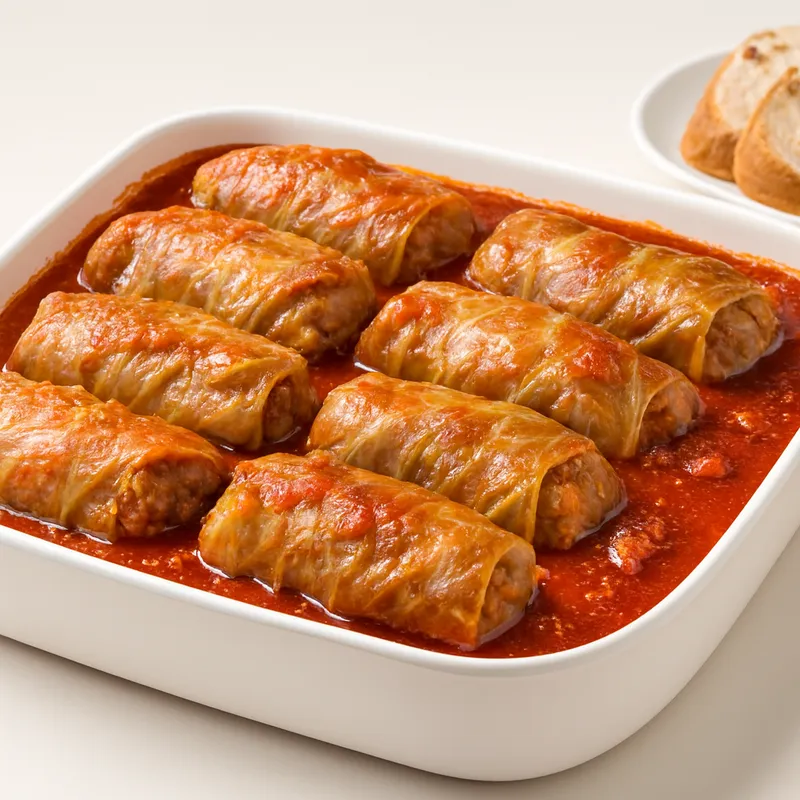
Pork-and-rice-stuffed cabbage leaves simmered in tomato and sauerkraut broth, eaten with sour cream. The centerpiece of Christmas Eve dinner.
Why start here · The holiday dish — teaches cabbage preservation, slow stewing, and how Hungarians turn a winter vegetable into a celebration meal.
The Pantry





See all 116 ingredients›





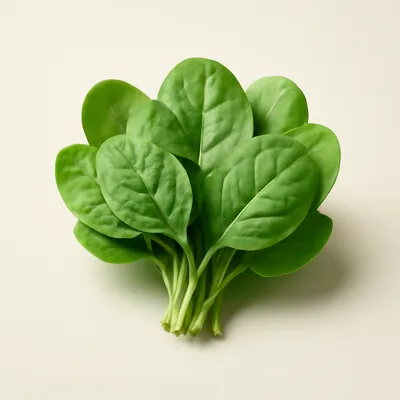

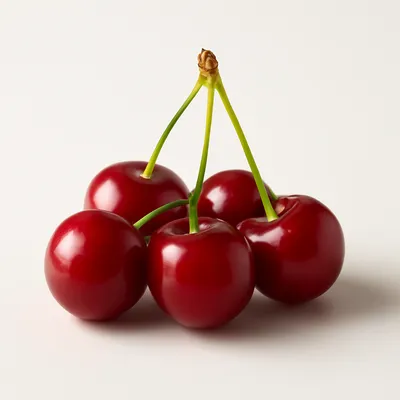

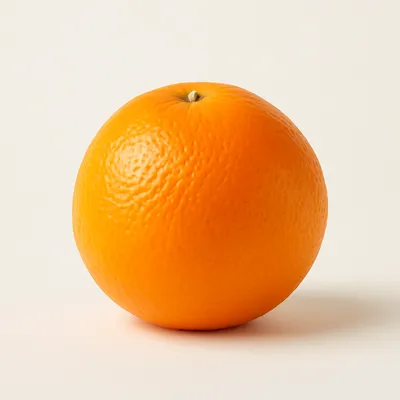
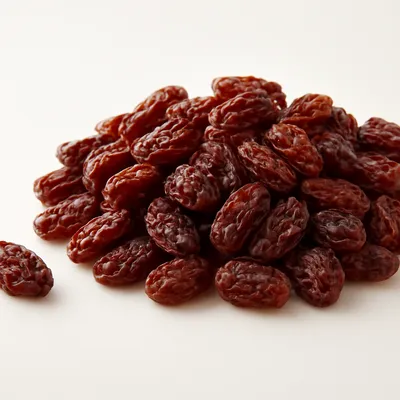










Sauces & Condiments




Four Regions
Four kitchens — Alföld Great Plain gulyás country, Habsburg-refined Transdanubian, Carpathian Transylvanian (now Romania), Tokaj-wine Northern Hungary. Tap a region to see its table.
The herder-heritage Great Plain — gulyás (the original cattle-herder soup), pörkölt paprika stew, halászlé Tisza fish soup, the paprika-and-bogrács backbone of Hungarian cooking.
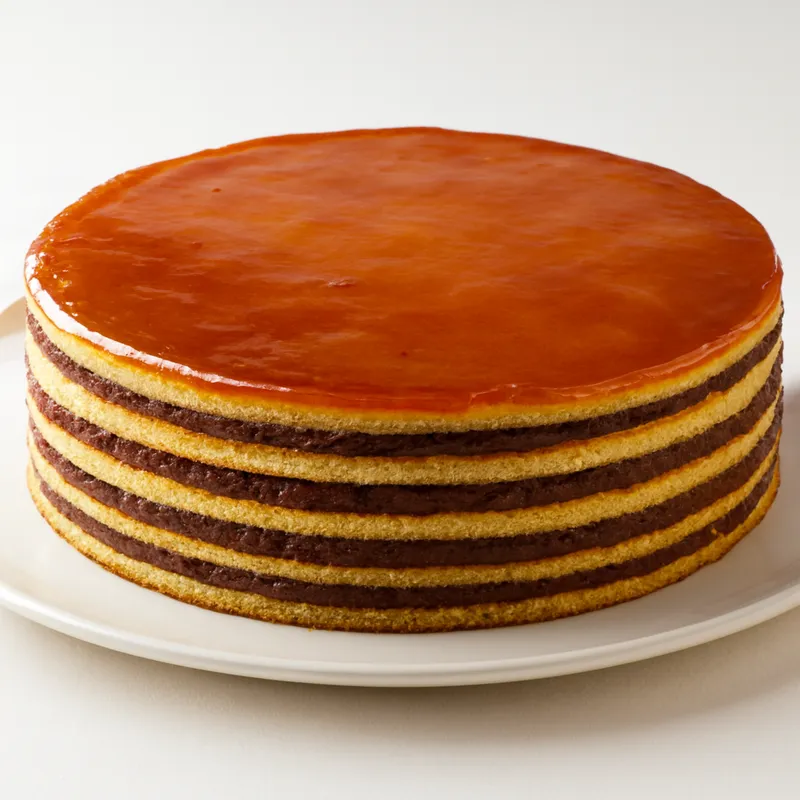
Austro-Hungarian refined — Dobos cake, Eszterházy torte, paprikás csirke chicken-paprika, the imperial-coffeehouse desserts and Lake Balaton fish.
Mountain wine country — Tokaj-aszú dessert wines, palóc gulyás (the highland gulyás variant), lecsó tomato-pepper stew, Eger bull's-blood wine pairings.
Carpathian Hungarian heritage — smoke-and-sour preparations, kürtőskalács chimney cake, the sour-cabbage stews of Szekler villages.
How They Cook
Techniques that define this cuisine
Baking
Hungarian Kürtőskalács bakes by rotating dough on a spit over open coals, creating a caramelized crust with a soft interior.
Kindred Kitchens
Cuisines built on the same signature ingredients
Signature Dishes (36)
Browse all 36 dishes›


Mains
18