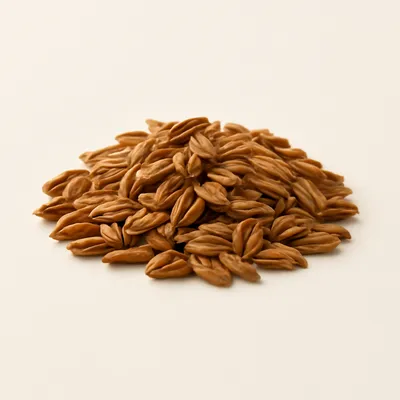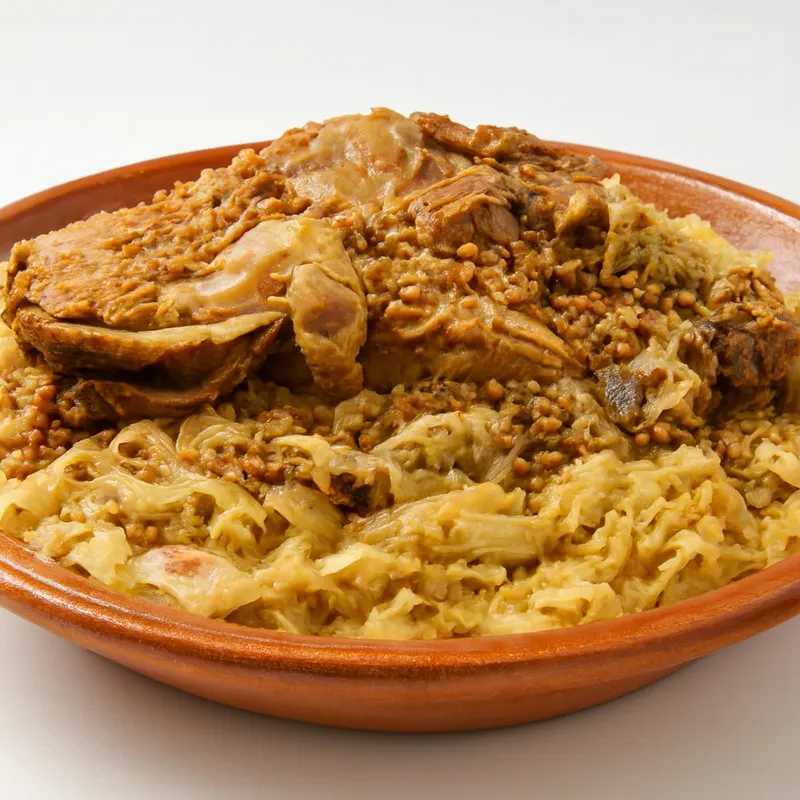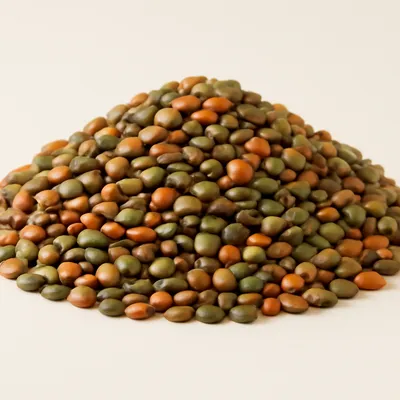
Earthy and nutritious, lentils offer a hearty flavor with a pleasing softness when cooked. Their ability to absorb spices and flavors makes them a beloved staple in many cuisines around the world.
Where it comes from
Lentils are among the oldest cultivated legumes, with origins tracing back to the Middle East and South Asia. They are foundational in Indian and Mediterranean diets, symbolizing nourishment and sustenance.
In the kitchen
In the kitchen, lentils are commonly used in soups, stews, and salads, providing protein and texture. They can also be puréed into spreads or formed into patties for vegetarian dishes.
Across cuisines
Red lentils are the protein of misir wat — the spicy red-lentil stew that anchors the vegetarian (fasting) Ethiopian plate. Cooked with berbere, onion, garlic, and ginger until they break down into a thick orange paste. Eaten by tearing injera and scooping; never eaten with a spoon. Lentil stews are eaten during Ethiopian Orthodox fasting periods when no animal product is allowed.
Lentils (red) — cooked into shiro and timtimo (red-lentil stew with berbere); the Eritrean vegetarian protein.
Lentils (yellow split peas, dholl) — Indian-Mauritian heritage staple, the foundation of dholl puri (split-pea-stuffed flatbread).
Nutrition (per 100g)
AI-estimated; model and run unavailable.
Pairs well with