


Popularized in the 1920s–1930s by Udupi restaurants; widely associated with Mavalli Tiffin Rooms (MTR) in Bangalore (open since 1924), though restaurateur K. Krishna Rao of Madras is also credited — the precise origin is disputed that needed a more substantial breakfast for working clientele. The plain dosa was old; the potato palya filling was the innovation — a quick tempered-spice mash that turned a snack into a meal. The format spread nationally with the post-1947 expansion of South Indian hotels into Bombay and Delhi.
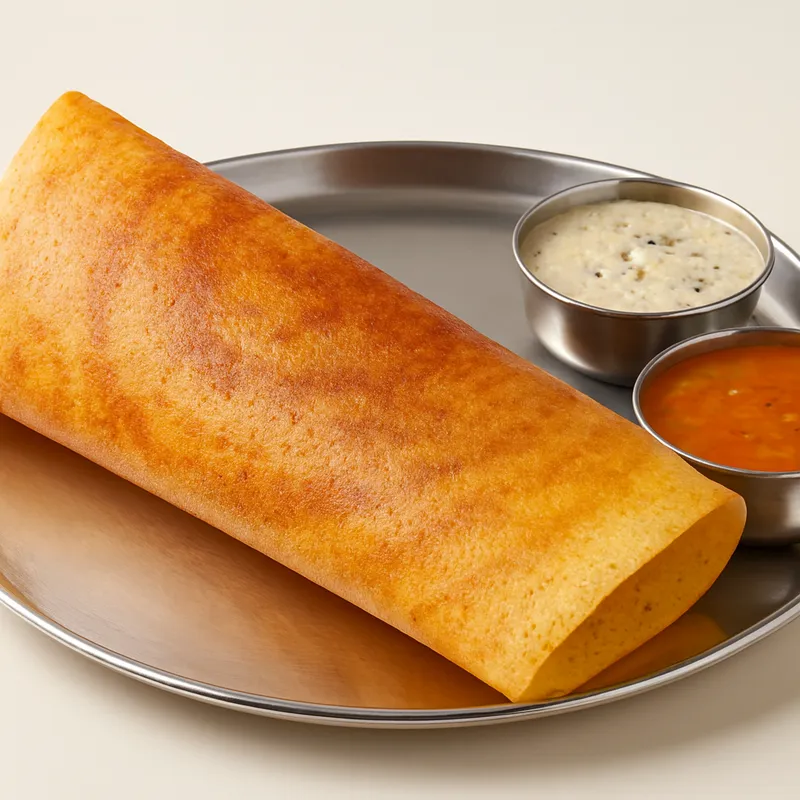
Mysore's gift to South Indian breakfast — fermented dosa rolled around a curried potato (aloo masala) with mustard seeds, curry leaves, and turmeric. The chutney trio (coconut, tomato, sambar) is the cuisine's compulsory salute.
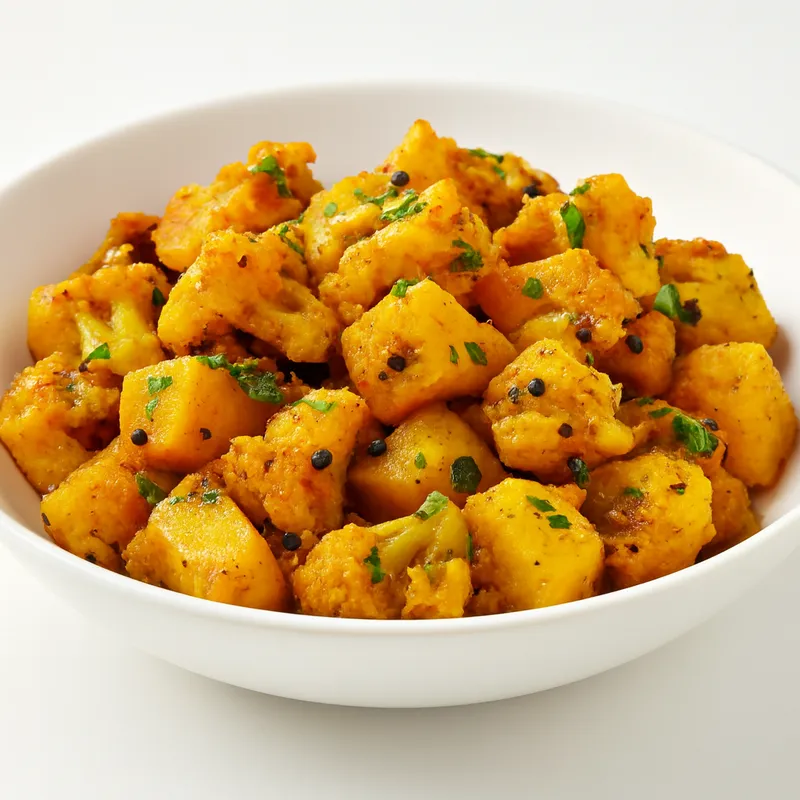
A long crisp golden cylinder, the dosa wrapped around a turmeric-yellow potato filling flecked with mustard seed, curry leaf, and onion. Crack it open with the side of a hand; the shell shatters, the potato is soft, slightly sweet from caramelized onion. Sambar and coconut chutney come on the side. The shell should still snap by the last bite — if it has gone limp, the filling was loaded too wet.
The trick is parallel timing. Filling is made first and held warm; batter spreads on a hot tawa, ghee around the edge, and only when the underside is fully crisp does the filling go in — too early and steam from the potato softens the shell. Mustard seeds in the filling must pop in oil before the onions hit, or they stay raw and bitter and the curry-leaf perfume never releases.
Variations
Mysore masala dosa (chutney layer inside); paper masala dosa (extra-thin, coastal); set masala dosa (smaller, multiple stacked); modern restaurants offer a 'cheese masala dosa' that purists despise.
- ·Filled with spiced mashed potatoes
- ·Includes onions and mustard seeds
On the Palate
Where Masala Dosa sits in the Indian flavor cloud
Crackle the shell before you fill it: spread the batter thin on a properly hot tawa, ghee at the edge, and only slide the potato in once the underside is fully crisp and golden — fill too early and steam from the potato softens the dosa limp.
Ingredients




How it's made
5 steps · 22 min active + 8 hours waiting
- 110 min
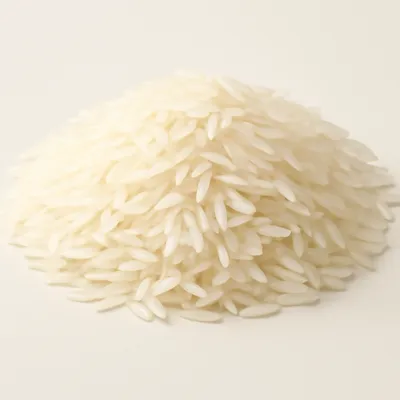
Prepare the dosa batter by soaking rice and pigeon peas overnight. The next day, grind into a smooth batter and let it ferment until it doubles in volume, emitting a tangy aroma.
Watch outEnsure the batter is smooth and well-fermented for the perfect dosa texture.
- 23 min
Heat a tava or non-stick griddle over medium-high heat. Once hot, pour a ladle of batter onto the center and spread it thinly in a circular motion. Cook until the edges lift and the dosa turns golden brown, about 3 minutes.
Watch outThe dosa is ready to fill when the edges lift off the tawa on their own and the underside is an even golden-brown, crisp to the tap.
- 35 min
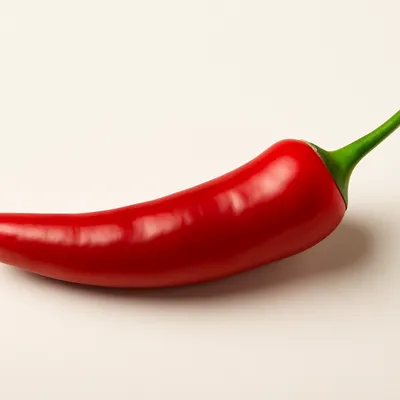
In a separate pan, heat ghee and add mustard seeds until they pop. Add chopped onions, turmeric, and chili pepper, sautéing until the onions are translucent, about 5 minutes.
Watch outGet the ghee hot enough that the mustard seeds crackle and jump within seconds of hitting it — a lazy sizzle means the oil's too cool and the seeds go bitter.
- 42 min
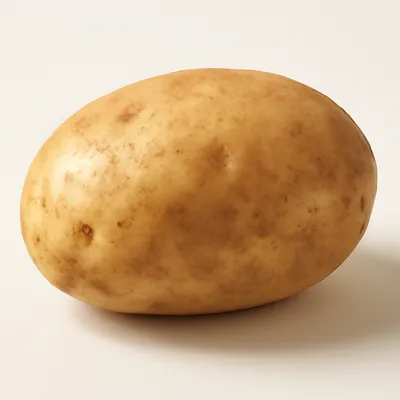
Add boiled and mashed potatoes, mixing well with the spices. Cook for an additional 2 minutes until the mixture is heated through and fragrant.
Watch outFold the mashed potato in just until it's evenly coated in the yellow spice and heated through — keep it moist, not dried out or pasty.
- 52 min
Place a portion of the potato filling onto the center of the dosa, fold it over, and serve immediately while crisp. Accompany with chutneys and sambar.
Watch outServe immediately to maintain the crispiness of the dosa.
Archive tool suggestions — not reviewed
These legacy suggestions have not been evidence-reviewed and are not presented as required tools.

A stainless-steel cylindrical rack of perforated trays, 25 cm tall with 4-5 stacked levels, set inside a large pressure cooker or kadai of boiling water. Each tray holds 4 idli wells; the steam rises through the perforations and cooks the fermented rice-and-urad-dal batter into white pillowy domes in 12 minutes. The fermentation does the leavening; the steam just sets the structure.

A flat, slightly concave cast-iron or carbon-steel griddle, 35-40 cm across, used to make paper-thin dosas. The proper tawa is heated to ~220°C, sprinkled with water (which should sizzle and evaporate in 2 seconds), wiped with onion-cut-in-half rubbed in oil for seasoning, and a ladle of fermented batter is spread in a spiral motion to form a 2 mm-thick crepe. The slight dome ensures even thinness.

A flat or slightly concave cast-iron griddle, 25-30 cm across, used in Indian and Pakistani kitchens for chapati, paratha, and roti. Distinct from the Dosa Tawa (smaller, for batters) — the bread tawa is heavier and unglazed, and you cook directly on it without oil. A well-seasoned tawa develops a near-black patina and lasts generations.