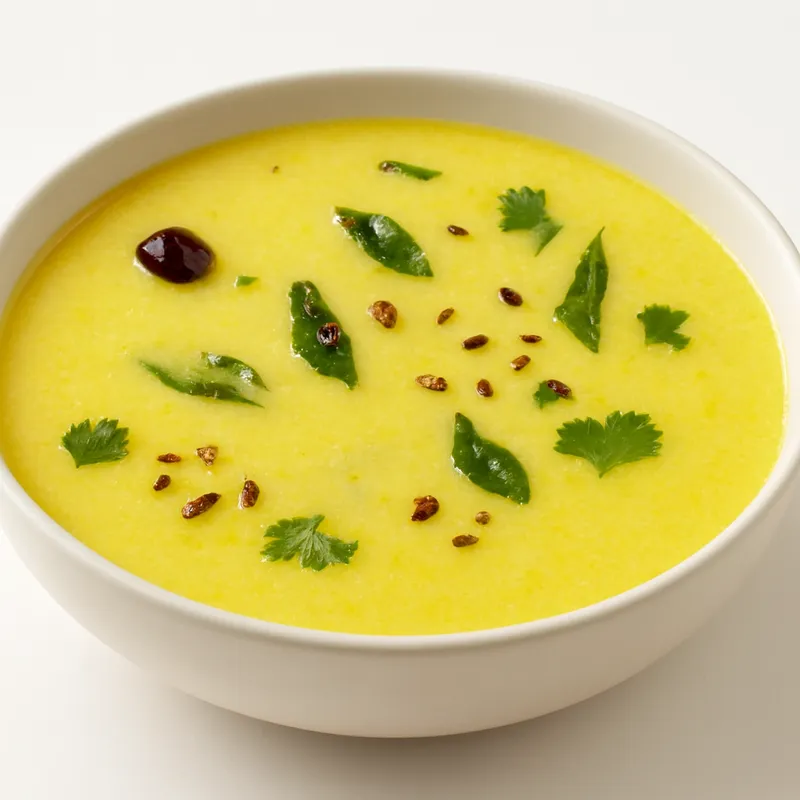
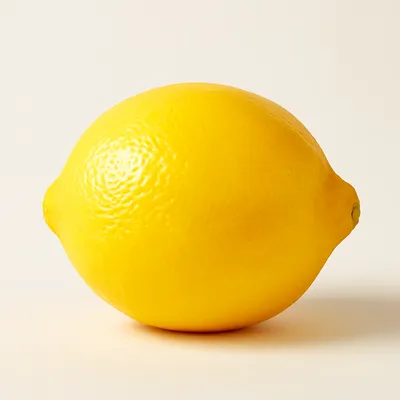
Dhokla is a fluffy, tangy delight that dances on the palate, thanks to the effervescent combination of yogurt and lemon.




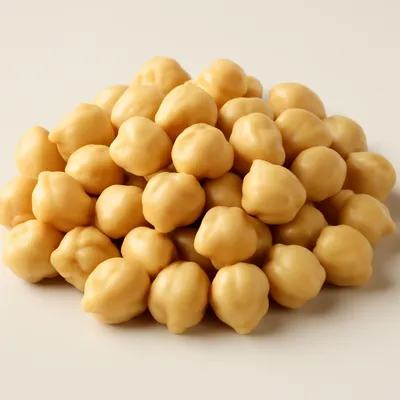
Documented in Gujarati cookbooks from the 11th century onward, the word "dhokla" first appears in the Gujarati Varanaka Samuchaya (c. 1520 CE), while a pulse-based precursor (dukkia) is recorded in a Jain text c. 1066 CE. A Jain-friendly food — no onion, no garlic, no root vegetables — that became a Gujarati breakfast and tea-time staple. The fermentation step links it to South Indian idli technique; the chickpea base is purely western Indian.
Named in Hemchandra's 1100s-era Gujarati texts. Jain-friendly — no onion, no garlic, no roots. Traditional version ferments chickpea-flour batter with curd overnight; the post-steam mustard-seed tarka soaks into the porous crumb and is half the flavor.
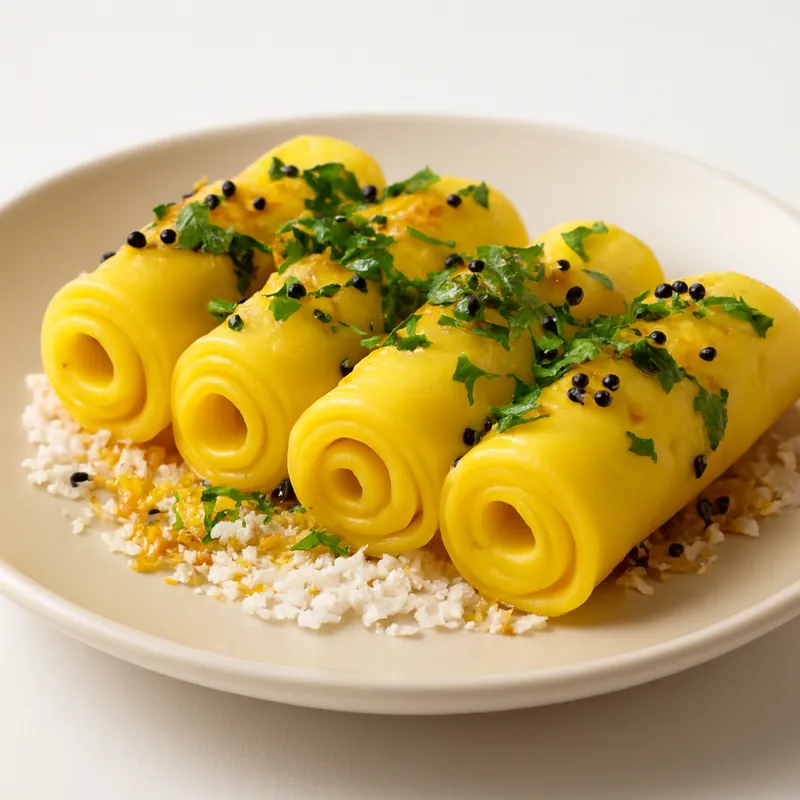
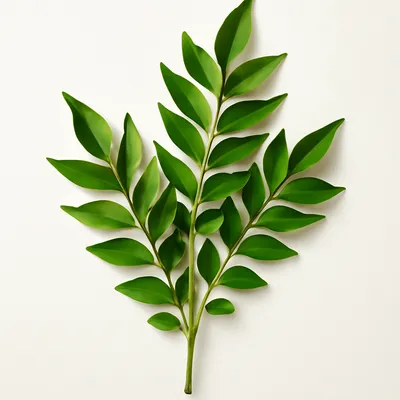
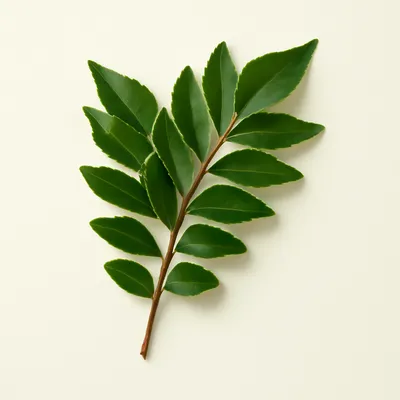
Pale yellow squares of steamed chickpea-flour cake, springy like a dense sponge, dotted with mustard-seed tempering and curry leaf on top. Slightly sour from overnight fermentation, slightly sweet from a sugar-water rinse, with green chili heat. Eaten cold or room-temp with green chutney; the squares should be light enough to hold a thumbprint but bounce back.
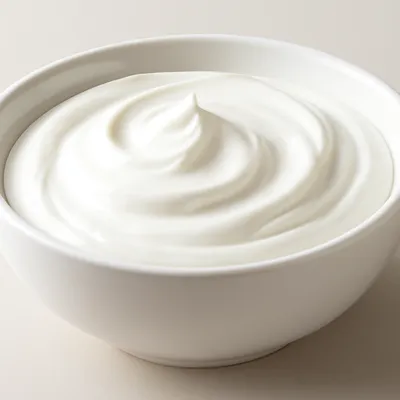
ENO or baking soda is what most home cooks use today, but the traditional version ferments chickpea-flour batter with curd overnight — wild lactobacillus produces both the sourness and the CO2 that makes the cake porous. The post-steam tempering (mustard seed crackled in oil, poured over) isn't garnish; the oil seeps into the porous crumb and is half the flavor. Eat the same day — refrigeration tightens the sponge.
Variations
Khaman dhokla (yellow, besan only — most common); white khatta dhokla (rice-and-urad ferment, sourer); sandwich dhokla layers green chutney between two slabs; Surti locho is the looser, half-set cousin eaten with a spoon.
On the Palate
Where Dhokla sits in the Indian flavor cloud
The whole point is a light, porous sponge: ferment the chickpea-flour batter until it's bubbly and slightly sour so it steams up airy, then pour hot tempered oil over the finished cake so it soaks into the crumb — flat batter steams dense, and skipping the oil drizzle loses half the flavor.
Ingredients




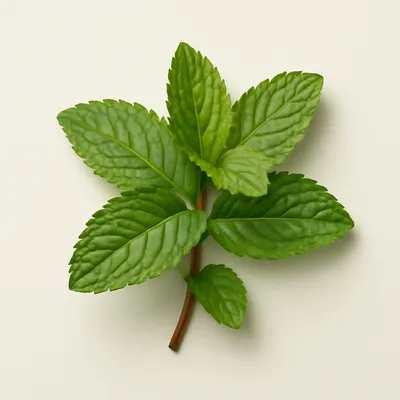


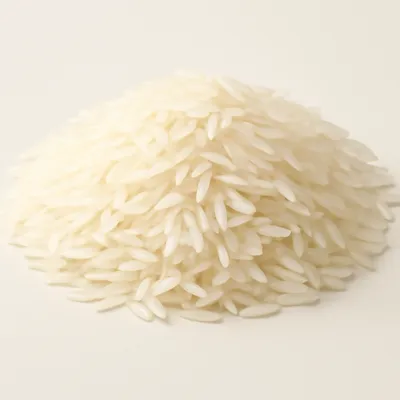
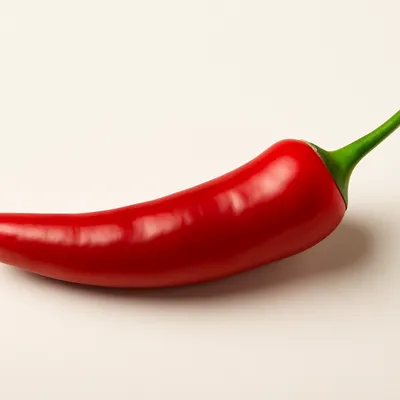

How it's made
7 steps · 50 min active + 4 hours waiting
- 15 min
Rinse and soak the dried rice and split chickpeas overnight in a large bowl filled with water. Ensure the water covers the ingredients by at least an inch.
Watch outEnsure the water level remains above the ingredients to allow for proper soaking.
- 210 min
Drain the soaked mixture and grind it into a smooth paste. Add water gradually to achieve a thick, pouring consistency.
Watch outDo not over-grind; the paste should be smooth but not runny.
- 35 min
Allow the batter to ferment in a warm place for at least four hours until it develops a slightly sour aroma and bubbly texture.
Watch outThe batter's ready when it's grown, dotted with bubbles and smells pleasantly sour — no bubbles means the ferment hasn't taken.
- 45 min
Mix in spices like chili pepper, coriander, and ginger into the fermented batter. Stir well to incorporate evenly.
- 515 min
Pour the batter into a greased steaming tray. Steam the batter for about 15 minutes until a toothpick inserted comes out clean.
Watch outIt's steamed through when a toothpick comes out clean and the top springs back to a light press — sinking dents mean it needs longer.
- 65 min
In a small pan, heat oil and add mustard seeds, green chilies, and curry leaves. Sauté until the seeds pop and the leaves are aromatic. Pour this seasoning over the steamed dhokla.
Watch outWait for the mustard seeds to actually pop and dance in the oil before you pour it over — that popping is what releases their nutty aroma.
- 75 min
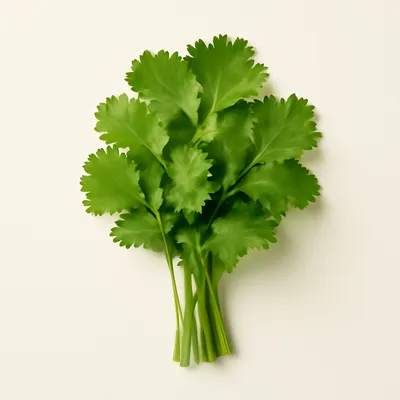
Cut the steamed dhokla into squares and garnish with fresh cilantro. Serve with deep-fried chilies and coriander chutney.
Archive tool suggestions — not reviewed
These legacy suggestions have not been evidence-reviewed and are not presented as required tools.