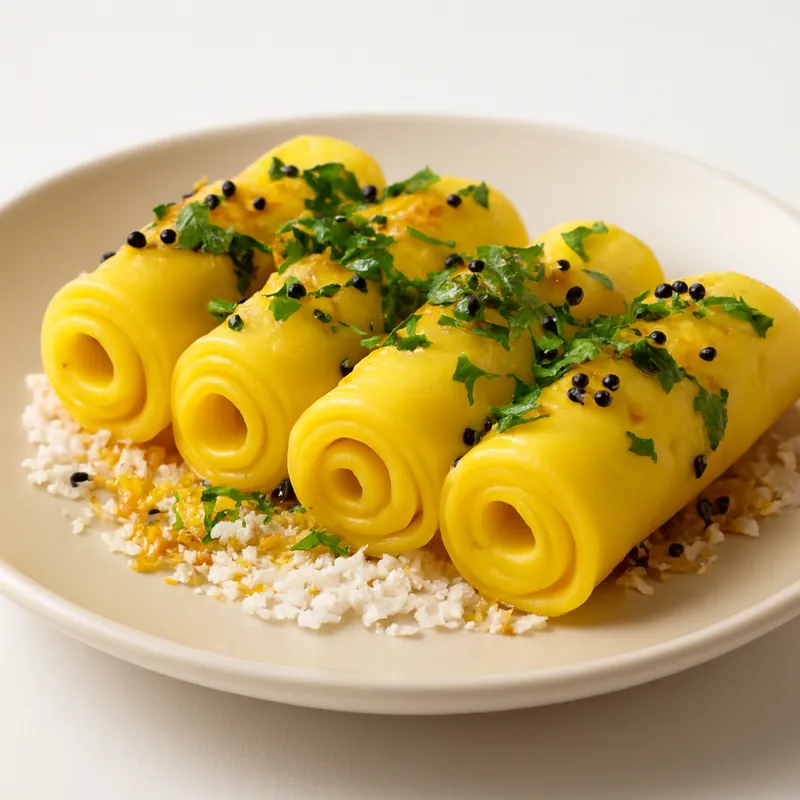
Khandvi is a delicate roll that unfurls with the subtle fragrance of ginger and sesame, melting into a creamy, tangy bite.

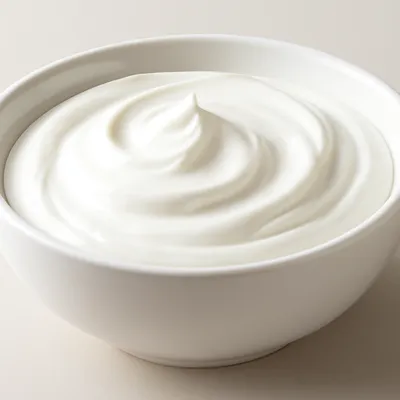


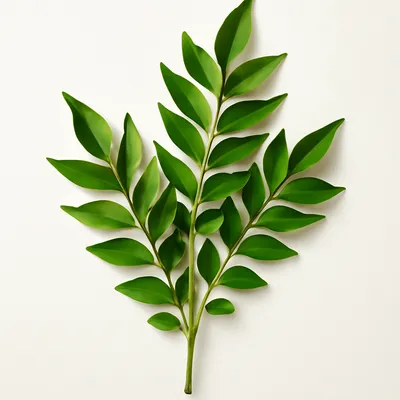
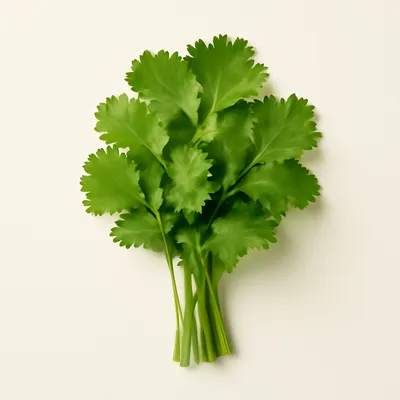
A Gujarati specialty whose technique points to centuries-old domestic refinement, though no fixed origin date exists. Closely related to Maharashtrian suralichi vadi (the dish is also called patuli/paturi in Gujarati); both rely on the same besan-and-buttermilk slurry. The dish is associated with Gujarati Vaishnav cuisine — vegetarian, no onion or garlic — and is a marker of skill among home cooks because the consistency is unforgiving.
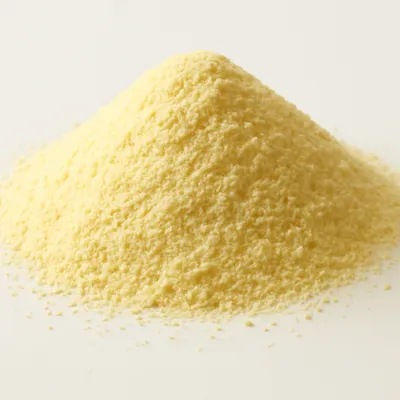
The slurry — besan, buttermilk, turmeric, ginger — must be cooked over low heat and stirred without stopping for eight to ten minutes. Test smear on a steel plate: if it lifts off in a clean sheet within thirty seconds, it's done. Undercooked tears, overcooked goes grainy.
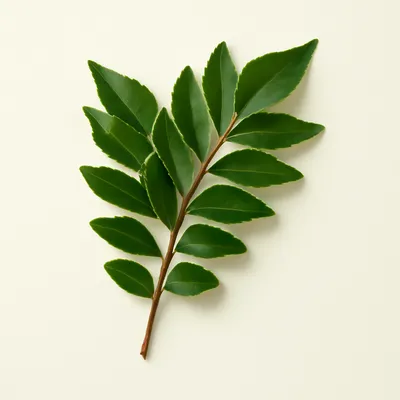
Pale yellow paper-thin rolls, no thicker than a fingernail, sliced into one-inch pinwheels. The texture is the whole point: smooth, slightly elastic, melts on the tongue rather than chews. Tempered with mustard seed, sesame and curry leaf, with grated coconut on top. Faintly sour from yogurt; ginger and green chili come up after.
The slurry — besan, buttermilk, turmeric, ginger paste — must be cooked over low heat, stirred without stopping, for eight to ten minutes until it pulls away from the pan as one mass. Then a test smear on the back of a steel plate: if it lifts off in a clean sheet within thirty seconds, it's done. Undercooked, the rolls tear; overcooked, they go grainy and won't roll at all.
Variations
Surti khandvi (thinner sheet, more rolls per inch); Saurashtra version is thicker and softer; Maharashtrian suralichi vadi uses the same besan-buttermilk slurry but is spread, filled with a coconut-coriander stuffing, and rolled before slicing; coconut-topped Konkan-Gujarati hybrid versions appear on the south coast.
On the Palate
Where Khandvi sits in the Indian flavor cloud
Everything rides on cooking the besan-buttermilk slurry to exactly the right point — stir it nonstop over low heat until it pulls from the pan as one mass and a smear on a plate lifts off in a clean sheet in about 30 seconds; undercooked it tears, overcooked it turns grainy and won't roll.
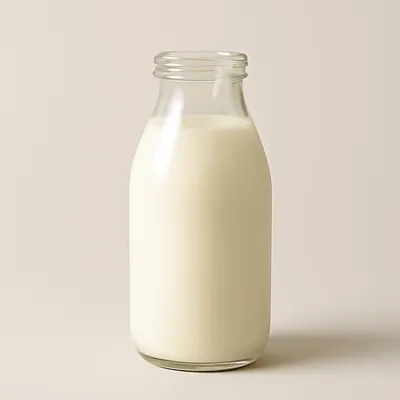
Ingredients






How it's made
6 steps · 40 min
- 15 min
In a large mixing bowl, combine chickpea flour, yogurt, water, turmeric, and a pinch of salt. Whisk until smooth and lump-free.
- 210 min
Pour the mixture into a non-stick pan and cook over medium heat, stirring constantly. The mixture will thicken and become glossy, pulling away from the pan's sides when ready.
Watch outIt's ready when the paste turns glossy and gathers off the pan sides as a single mass — test a smear on a plate; a clean 30-second peel means go.
- 35 min
Spread the cooked mixture evenly onto a greased surface or a plate using a spatula. Aim for a thin, even layer.
Watch outSpread fast and thin before it cools — the film should be barely-there even, because thickness here decides whether it rolls or breaks.
- 410 min
Allow the mixture to cool slightly, then cut into long strips. Carefully roll each strip into a tight spiral.
- 55 min
In a small pan, heat oil and add mustard seeds, sesame seeds, and curry leaves. Once the seeds start popping, pour the tempering over the rolled khandvi.
Watch outWait for the mustard seeds to crackle and pop before pouring — that's the sign the oil is hot enough to release their aroma over the rolls.
- 65 min
Garnish with freshly chopped cilantro and grated coconut before serving.
Archive tool suggestions — not reviewed
These legacy suggestions have not been evidence-reviewed and are not presented as required tools.