Pungent and sulfurous, asafoetida transforms into a rich, savory depth when cooked, with a flavor reminiscent of garlic and onion. This potent spice is essential in Indian vegetarian cooking.
Where it comes from
Asafoetida, derived from the resin of a giant fennel plant, has been used in Indian cuisine for centuries, prized for its unique flavor and digestive properties.
In the kitchen
Typically used in tempering, asafoetida enhances dals and curries, adding complexity and umami to vegetarian dishes.
Across cuisines
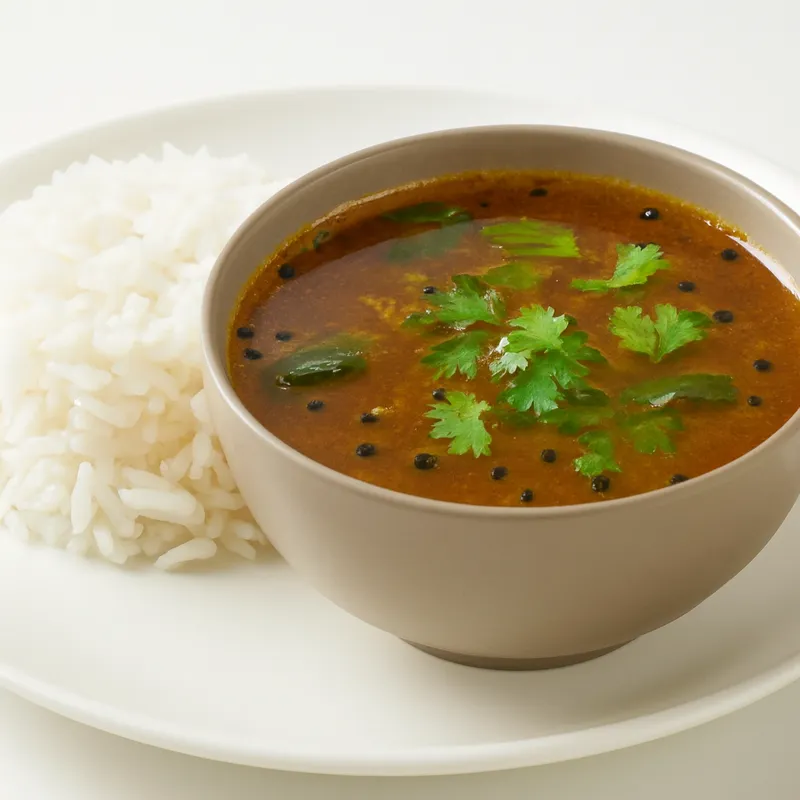
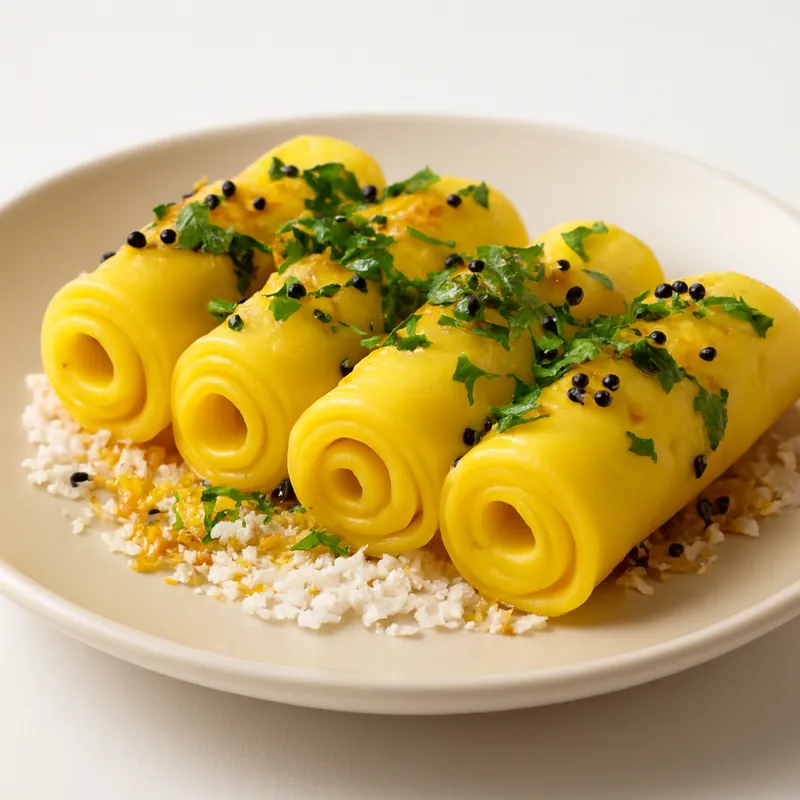
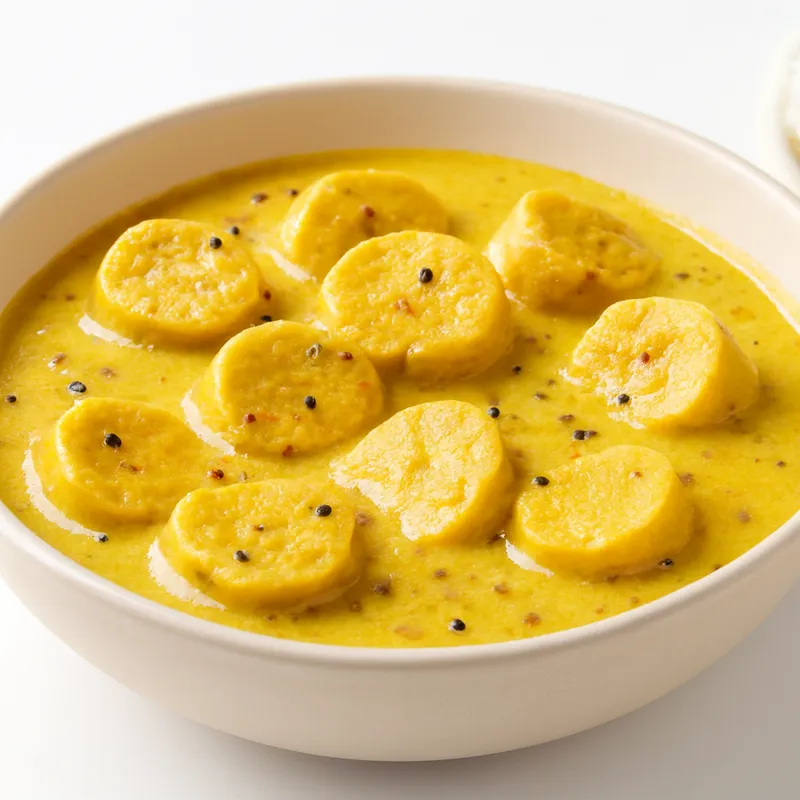
Asafoetida (hing) functions as a garlic-onion proxy in Indian Jain and Brahmin vegetarian cooking where alliums are avoided. A pinch (1/8 tsp) bloomed in hot ghee or oil at the start of Sambar, Rasam, and Medu Vada produces a savory sulfur note that dissipates into umami. Gujarat's Khandvi, Dhokla, and Gujarati Kadhi each include a hing-mustard-seed tadka. Tamil Pongal and Murukku both use it in their seasoning stage. Kashmiri Dum Aloo and Nadru Yakhni use it since Kashmiri Pandits traditionally avoid onion and garlic.
In Rajasthani cooking, Gatte Ki Sabzi (gram-flour dumplings in yogurt gravy) and Ker Sangri (wild berry and bean stir-fry) both use hing in tadka. Pyaaz Kachori and Mawa Kachori savory fillings use a tiny amount to layer depth. Jaljeera, a cold cumin-tamarind drink, contains asafoetida as one of its digestive spices. Tadka (the technique of tempering spices in fat) inherently includes hing as a standard component.
Notable varieties
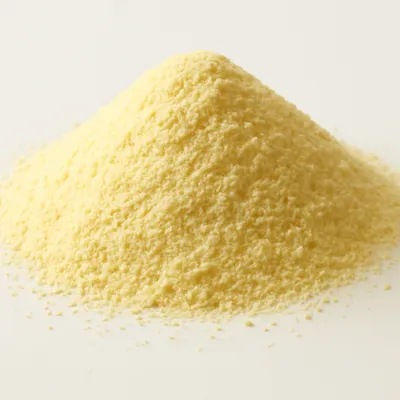
Pure resin mixed with wheat flour or rice flour and gum arabic for handling ease. Standard kitchen form at 30–65% resin content. Higher resin percentage = stronger smell and smaller required quantity.
Raw exudate from Ferula assa-foetida root, amber-colored lumps. Intensely sulfurous raw. Used in tiny quantities (a chip the size of a lentil). Preferred by professional cooks for potency and purity; dissolved in oil before adding.
Nutrition (per 100g)
AI-estimated; model and run unavailable.