
A Tamil and broader South Indian dish documented from at least the 16th century, originating as a digestive tonic and pre-meal appetizer in Tamil Brahmin households — the Sanskrit-Tamil name comes from the same root as 'juice' or 'essence'. Each region has a distinct variant: Mysore rasam adds toor dal, Andhra goes pepper-heavy, Tamil Nadu balances tamarind and tomato. The dish predates and parallels Western soup traditions but functions as medicine first, food second.
A bowl of rasam is like a hug in liquid form—tangy, spicy, and utterly comforting, perfect for awakening the senses.
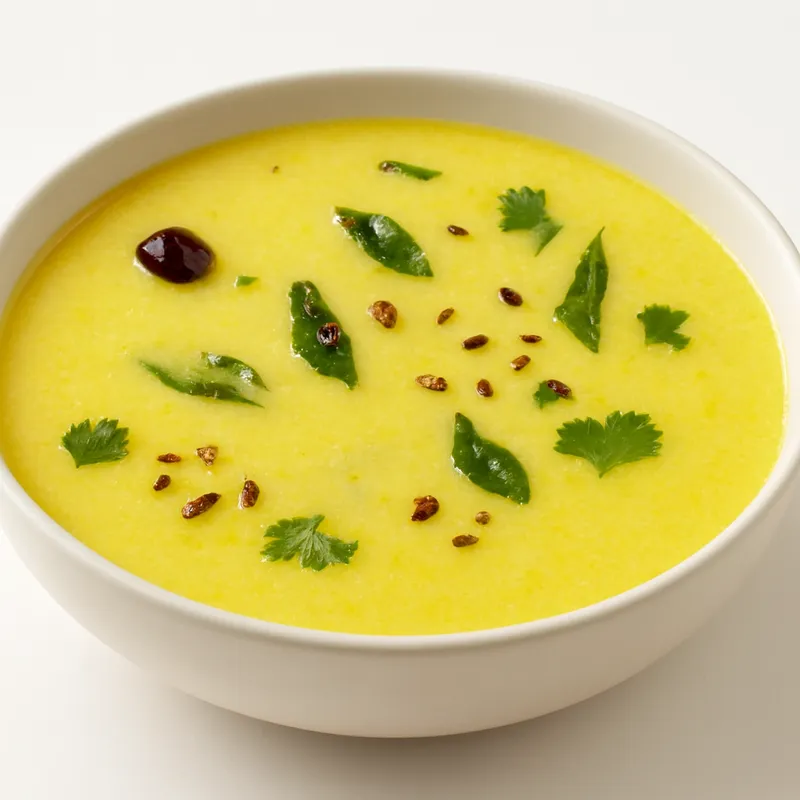
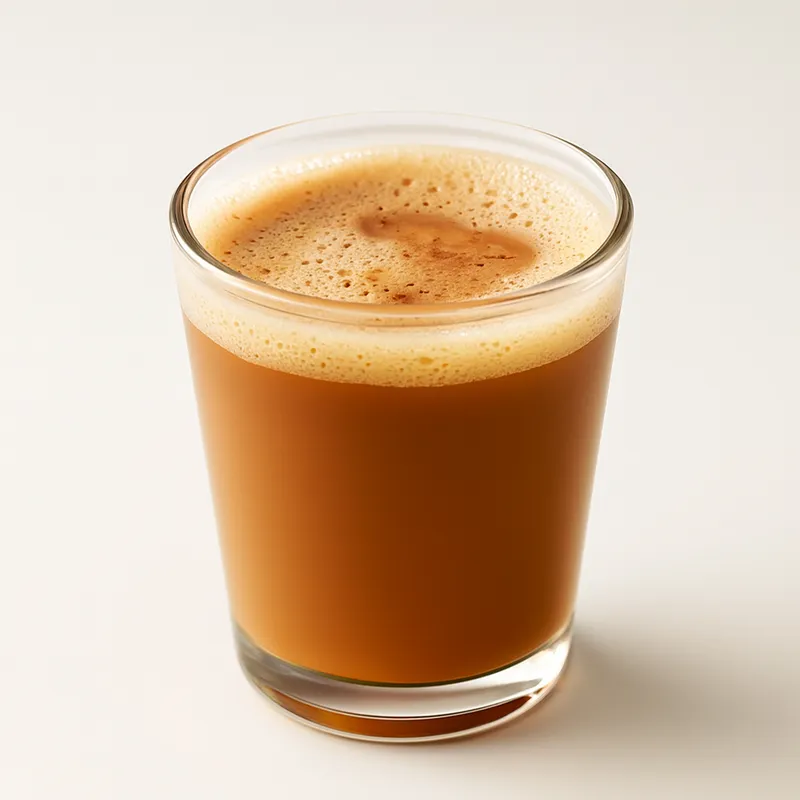
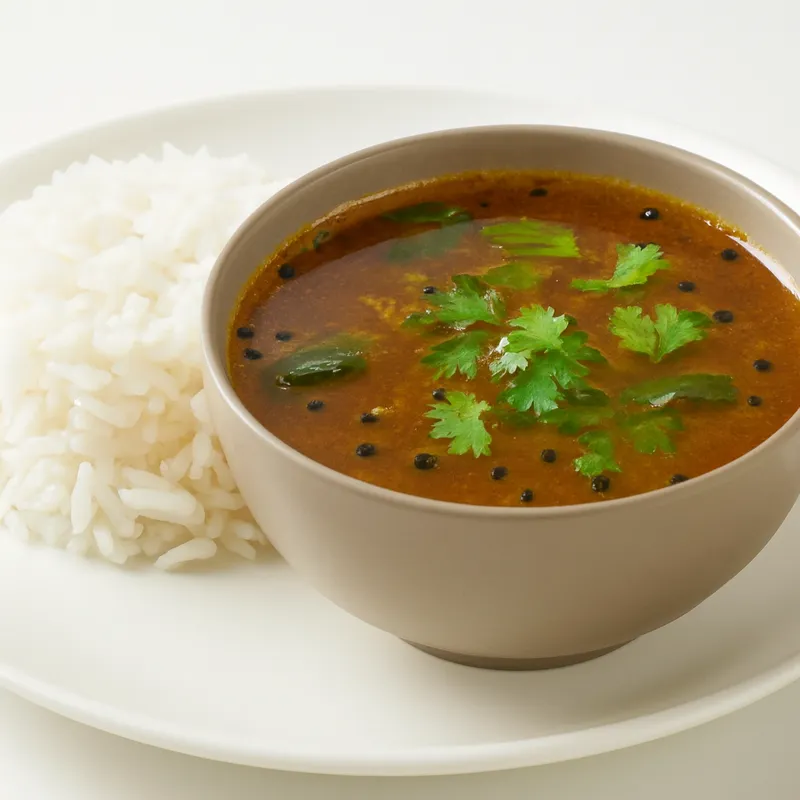
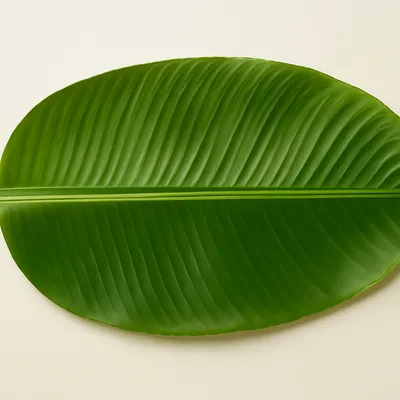
A thin, almost broth-like soup, dark amber to brown-red, served in a steel tumbler or poured over a mound of rice on a banana leaf. Black pepper and tamarind hit first — sour and pungent, eyes water a little. Curry leaf and asafoetida come up on the back. Drunk hot before a heavy meal, or mixed with rice as the second course in a Tamil sadya. If it tastes muddy, the rasam was over-boiled and the spices stewed flat.
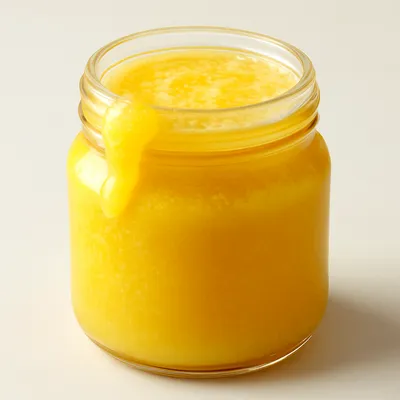
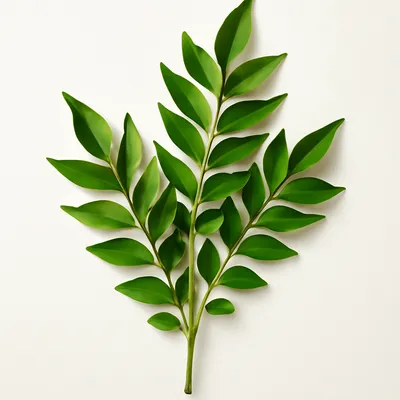
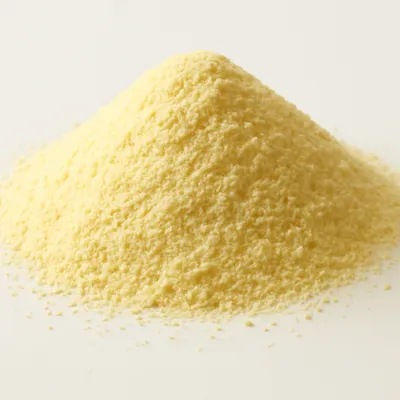
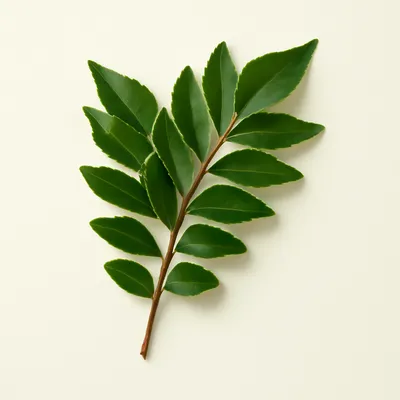
The aroma comes from a tadka — a final tempering. After the tamarind-tomato base simmers, ghee or oil is heated separately to smoking point, mustard seeds popped, then dried red chili, asafoetida (hing), and curry leaf added for two seconds and poured into the soup at serving. The brief contact (essential oils evaporate fast at high heat) preserves the volatile aromatics; cook them in from the start and you lose the curry-leaf top note that defines real rasam.
Variations
Mysore rasam (with toor dal); pineapple rasam (Tamil sweet variant); pepper rasam (Iyer-style, fiery); Saaru is the Karnataka cousin; Mulligatawny is the British colonial reading.
On the Palate
Where Rasam sits in the Indian flavor cloud
Rasam is all in the tadka: after the tamarind-tomato base simmers, heat ghee separately to smoking, pop the mustard seeds, add dried chili, hing, and curry leaf for two seconds, and pour it in at serving — cook the aromatics in from the start and the volatile curry-leaf top note is gone, and with it what makes rasam taste like rasam.
Ingredients




How it's made
7 steps · 45 min
- 13 min
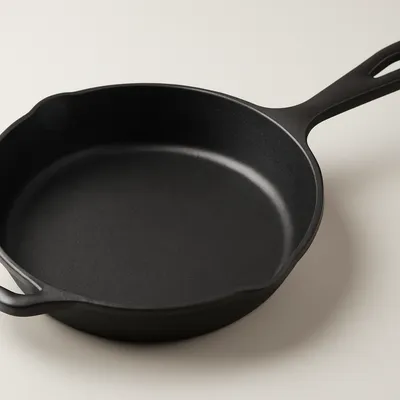
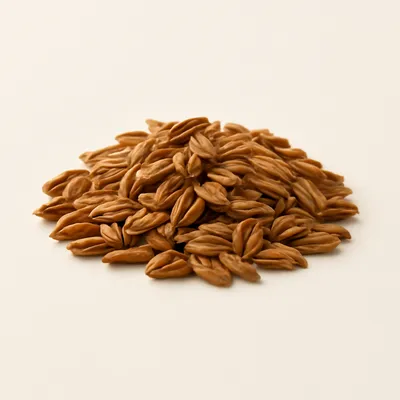
In a skillet, heat 2 teaspoons of ghee until it begins to shimmer. Add coriander seeds, dried red chilies, and cumin seeds, toasting them until the spices start to brown and release a warm, earthy aroma, about 3 minutes. Add a pinch of asafoetida last, stirring briefly.
Watch outToast the whole spices in ghee until they brown and give off a warm, earthy smell, then add the hing last for a second — stop before they scorch or the powder turns bitter.
- 22 min
Grind the toasted spices into a fine powder, creating the rasam powder. Set aside for later use.
- 320 min
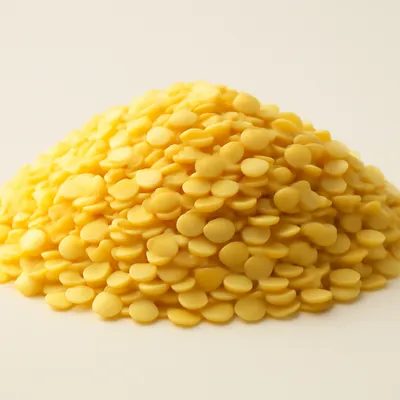
Rinse toovar dhal under cold water until it runs clear. In a pot, combine the dhal with twice its volume of water, turmeric, and a teaspoon of oil. Cook until the dhal is soft and mushy, about 20 minutes.
Watch outMake sure the dhal is fully cooked and soft; undercooked dhal will be gritty.
- 45 min
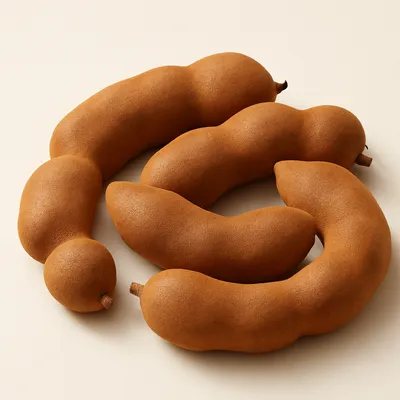
In a separate saucepan, bring water to a boil and add quartered tomatoes. Add tamarind paste, salt, and sugar, adjusting the tamarind to taste. Allow the tomatoes to soften and meld with the flavors, about 5 minutes.
Watch outSimmer the tomatoes with tamarind just until they soften and slump into the liquid; taste and dial the tamarind so it's tangy, not sharp.
- 510 min
Stir in the cooked dhal and rasam powder, simmering the mixture gently to blend the flavors, about 10 minutes.
- 62 min
In a small pan, heat ghee and add mustard seeds, urad dhal, dried red chilies, and curry leaves. Fry until the mustard seeds pop and the urad dhal turns golden, about 2 minutes. Pour this seasoning over the rasam and stir through.
Watch outThe tadka is ready the instant the mustard seeds pop and the urad dal turns golden — pour it over sizzling; wait and the curry-leaf aroma fades.
- 73 min
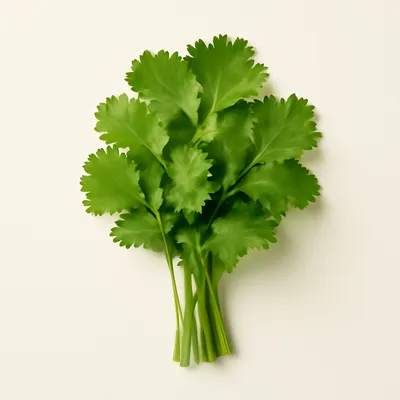
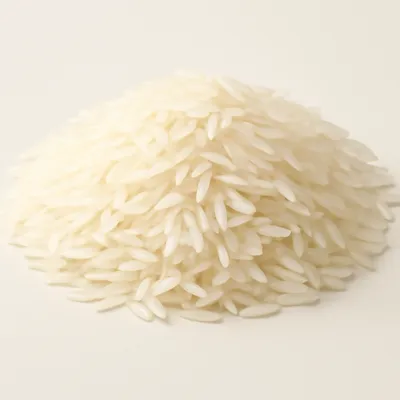
Garnish with chopped cilantro and serve the rasam hot over steamed rice, allowing its spicy and tangy notes to complement the meal.
Watch outStir the poured tempering through and serve at once over hot rice while the aromatics are still lively on top.
Archive tool suggestions — not reviewed
These legacy suggestions have not been evidence-reviewed and are not presented as required tools.