
South Indian
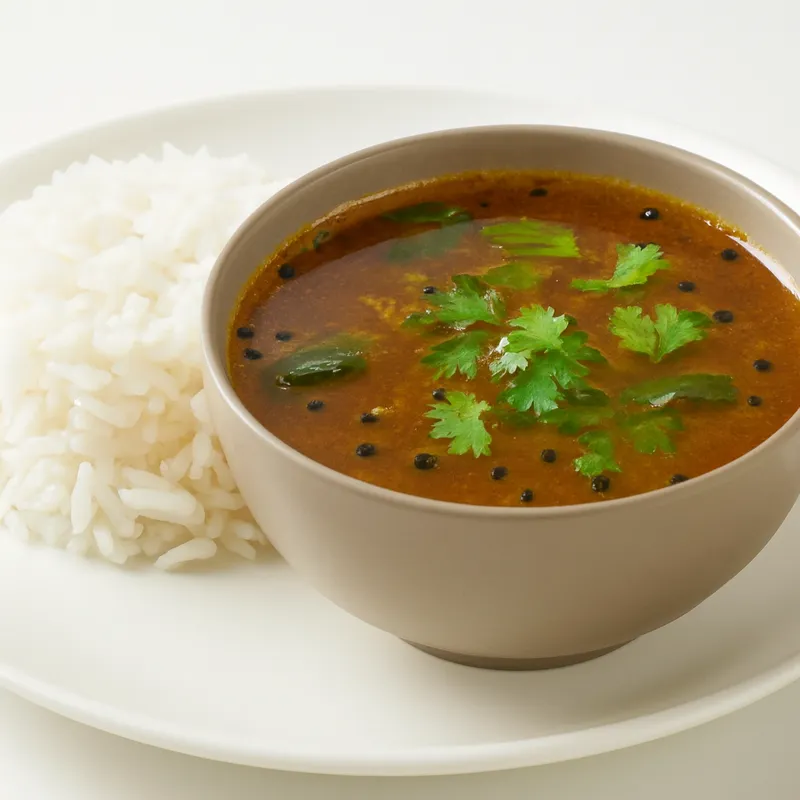
Rasam: tangy soup, peppery kick.
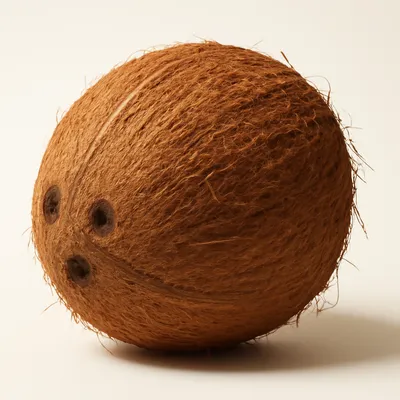
Coconut
Fresh grated coconut, coconut milk, and coconut oil — the trinity that distinguishes South Indian cooking from the wheat-and-dairy north.
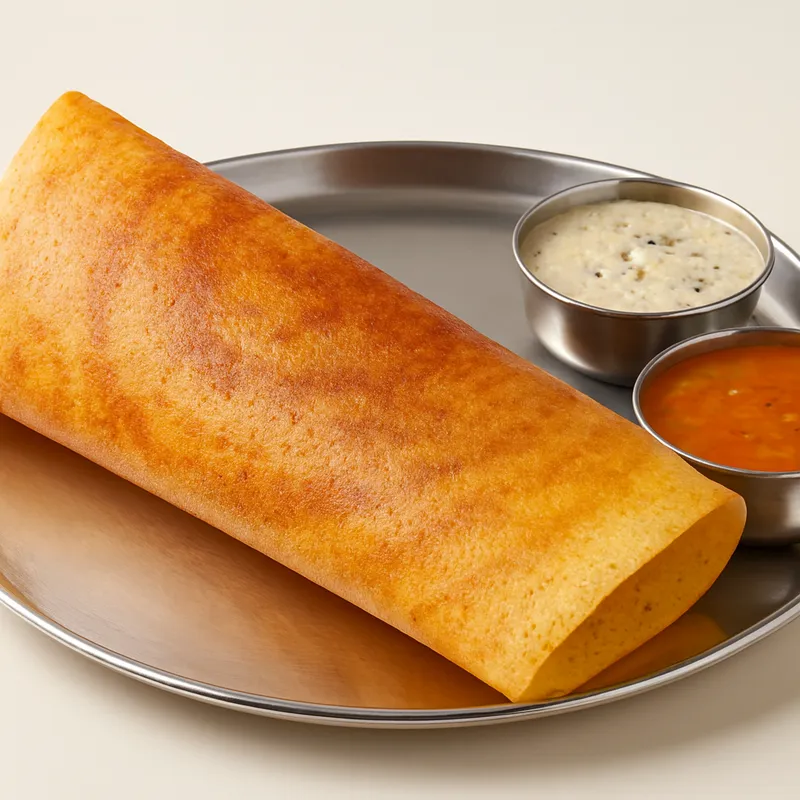
View page →The aroma of sizzling dosa batter on a hot griddle fills the air, as the thin, golden crepe crisps up to perfection. A ladle of sambar, with its hearty mix of vegetables and lentils, bubbles nearby, its tangy tamarind base balancing the gentle sweetness of coconut chutney. The crackling sound of mustard seeds in hot oil signals the final flourish, adding a nutty aroma that lingers in the nostrils and on the palate.
Within India's regional kitchens, South Indian cuisine stands apart with its emphasis on rice and lentils, fermented delights, and the artful use of spices. The geography—lush, coastal, and tropical—informs the abundance of coconut, tamarind, and seafood in the region’s dishes. Techniques like the crispy dosa and the soothing rasam reflect both the climate's influence and the ingenuity of local culinary practices, which turn everyday ingredients into celebratory meals.
Start Here
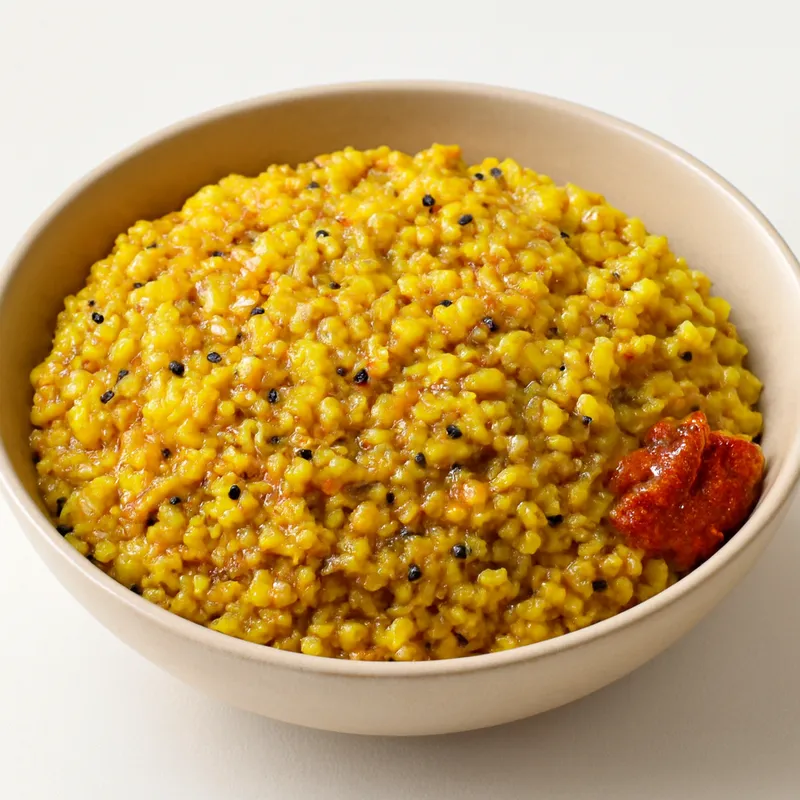
The crispy crepe is filled with a spiced potato mixture that bursts with flavor.
Why start here · This dish showcases the hallmark of South Indian cuisine: the perfect blend of texture and spice.
Its tangy and peppery profile makes it a quintessential palate cleanser.
Why start here · Rasam captures the region’s affinity for sour and spicy flavors, a staple of South Indian meals.
A staple breakfast item, served with sambar and coconut chutney for a balanced meal.
Why start here · Dosa is a classic introduction to the region’s love for fermented rice-lentil creations.
The Pantry

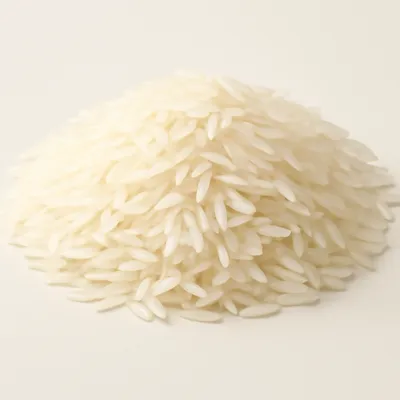



See all 63 ingredients›
Proteins






Herbs & Spices










Sauces & Condiments


How They Cook
Techniques that define this cuisine
Kindred Kitchens
Cuisines built on the same signature ingredients
Other regions
Siblings within Indian — each its own tradition.