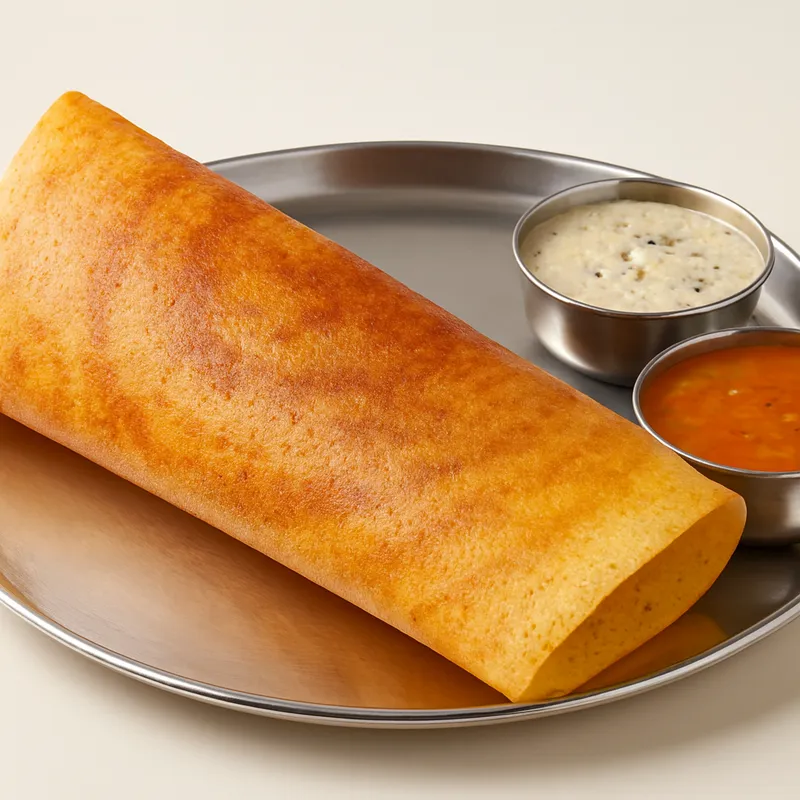
Crispy South Indian fermented rice-and-lentil crepe, served with sambar and coconut chutney.
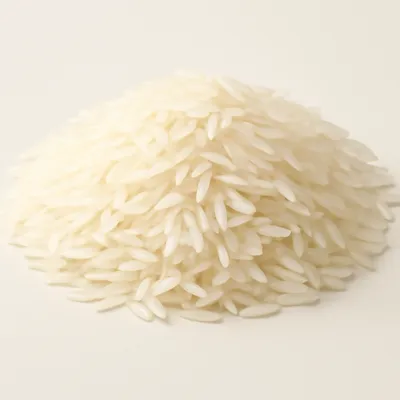
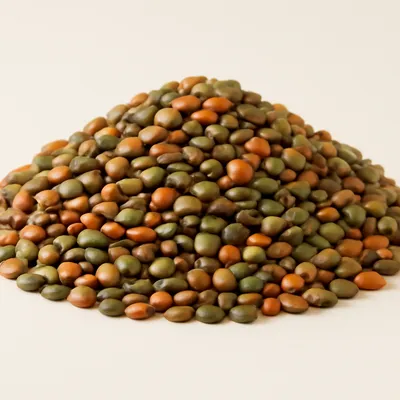


The dosa's exact origin is disputed between Karnataka and Tamil Nadu. The Udupi-Tulu (coastal Karnataka) claim is recorded as dosaka in the 12th-century Sanskrit Manasollasa; food historian K.T. Achaya argues for a Tamil origin, with the earliest written mention of dosa appearing in 8th-century Tamil literature. Fermented rice-and-urad-dal batter spread across South India over centuries; the thin crisp Mysore-style dosa as eaten today was popularized in the early 1900s by Udupi tiffin houses moving into Bangalore and Madras.
Tamil-Karnataka fermented rice-and-urad-dal crepe — the batter ferments overnight to develop the lacy crisp. The cast-iron tawa must be 220°C and rubbed with a half onion in oil before each one.
A pale gold crepe, crisp at the edge and lacy in the middle, rolled or folded on a steel plate. Snap it with the fingers — it should crackle, not bend. Sambar (lentil-tamarind broth) and coconut chutney sit alongside; you tear, dip, eat with the right hand. A limp dosa means the batter was over-fermented or the tawa wasn't hot enough.
Fermentation is load-bearing. Soaked rice and urad dal are wet-ground separately, mixed, then left 8–12 hours until wild lactobacillus and yeast lift the batter and produce lactic acid — the sour edge you taste. The urad dal supplies foam-stable proteins that hold the lacy holes when batter hits a 200°C cast-iron tawa. Skip the ferment and you get a pancake; skip the urad and the holes never form.
Variations
Plain dosa; masala dosa (with potato filling); rava dosa (semolina, lighter and crisper); paper dosa (extremely thin and long); set dosa (thicker, served stacked); Mysore masala dosa (with chutney spread inside).
On the Palate
Where Dosa sits in the Indian flavor cloud
The batter must ferment 8–12 hours until it rises and smells pleasantly sour — that wild fermentation is what makes the dosa crisp and lacy instead of a plain pancake, and it can't be rushed.
Ingredients


How it's made
3 steps · 6 min
- 12 min
Heat a non-stick tawa or skillet over medium heat until hot. Pour a ladleful of fermented batter onto the center, spreading it outwards in a circular motion to form a thin layer.
Watch outPan is hot enough when a flick of water dances and evaporates on contact; spread the batter thin the moment it lands, before it sets.
- 23 min
Drizzle a few drops of oil around the edges of the dosa. Cook until the edges start to lift and the underside is golden brown and crisp.
Watch outDrizzle oil at the edges and wait for them to lift and go golden and crisp — that curling edge tells you the underside is done.
- 31 min
Flip the dosa carefully, cooking the other side briefly until set. Remove from the tawa and serve hot.
Watch outBe gentle when flipping to avoid tearing the dosa.
Archive tool suggestions — not reviewed
These legacy suggestions have not been evidence-reviewed and are not presented as required tools.
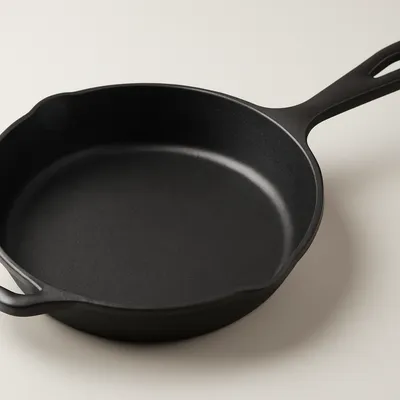
A heavy, single-piece cast iron pan, 25-30 cm across, weighing 1.5-2.5 kg. Once preheated, the thick mass holds 230°C+ even when a cold steak hits the surface — that's the secret to a deep crust. A well-seasoned skillet (multiple thin layers of polymerized oil baked into the iron) is essentially nonstick, gets better with use, and lasts a century. Lodge skillets from Tennessee have been in continuous production since 1896.

A flat, slightly concave cast-iron or carbon-steel griddle, 35-40 cm across, used to make paper-thin dosas. The proper tawa is heated to ~220°C, sprinkled with water (which should sizzle and evaporate in 2 seconds), wiped with onion-cut-in-half rubbed in oil for seasoning, and a ladle of fermented batter is spread in a spiral motion to form a 2 mm-thick crepe. The slight dome ensures even thinness.

A flat or slightly concave cast-iron griddle, 25-30 cm across, used in Indian and Pakistani kitchens for chapati, paratha, and roti. Distinct from the Dosa Tawa (smaller, for batters) — the bread tawa is heavier and unglazed, and you cook directly on it without oil. A well-seasoned tawa develops a near-black patina and lasts generations.