

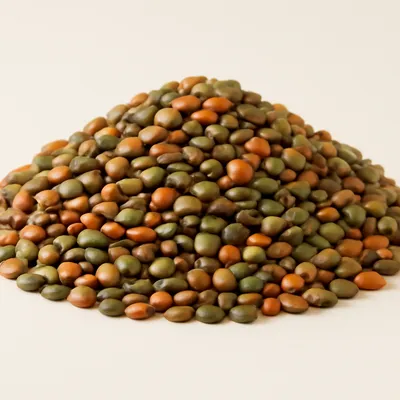
Documented in Karnataka by the 10th century in the Kannada text Vaddaradhane, originally without rice — just black gram. Rice was added later; the modern recipe (rice, long fermentation, steaming) only appears in Indian texts after the 13th century (post-1250 CE). The steaming-on-perforated-trays technique likely came from Indonesia via maritime trade with the Srivijaya kingdom; food historian K.T. Achaya speculated the modern idli's method may have come from Indonesia (citing a dish he called 'kedli'), though no such Indonesian dish has been verified and the theory remains disputed.
Steamed rice-and-urad-dal cake fermented overnight — the lift comes from wild yeast in the dal skins, not soda. Mentioned by name in 920 CE Kannada literature; the modern soft version is a 1930s Tamil refinement.
Two or three white, slightly domed cakes the size of a hockey puck, steaming, soft and barely springy. Faintly sour from fermentation, no salt forward, almost no fat. Eaten by hand, broken and dipped into sambar and coconut chutney; a small mound of milagai podi (chili-lentil powder) mixed with ghee on the side. Heavy, gummy idli means the batter was over-blended or under-fermented.
The lift comes from wild fermentation, not yeast or baking soda. Black gram (urad dal) is the key — its proteins (globulins) trap CO2 the way wheat gluten does, which is why pure rice batter won't rise. The 8-12 hour overnight ferment in warm air populates the batter with Leuconostoc and Lactobacillus; cold climates need a warm spot or the idli stays dense.
Variations
Rava idli (semolina, instant, Bangalore MTR origin); kanchipuram idli (with pepper, ginger, cumin); thatte idli (Karnataka, plate-shaped, wider); button idli (mini, served swimming in sambar).
On the Palate
Where Idli sits in the Indian flavor cloud
Ingredients
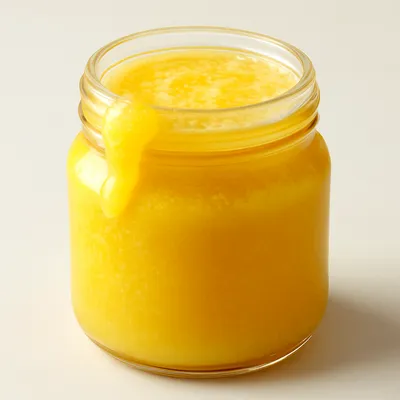


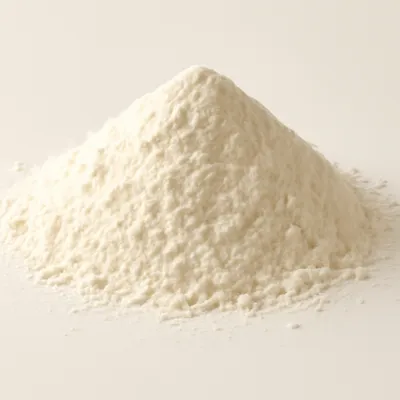
How it's made
5 steps · 12 hours
- 15 min
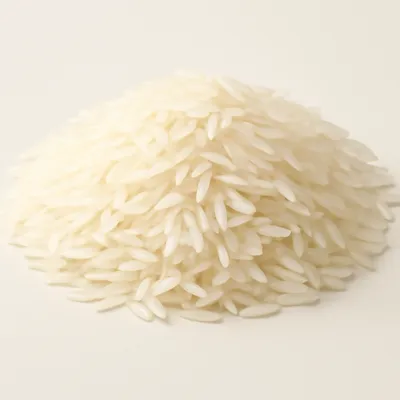
Soak rice and urad dal separately.
- 25 min
Grind to a smooth batter with fenugreek.
Watch outGrind until the batter is smooth and pale and drops in a ribbon — gritty urad means it won't trap gas and the idli stays dense.
- 3480 min
Ferment overnight until doubled.
Watch outIt's ready when the batter has roughly doubled and the surface is domed and bubbly — flat and unrisen after the night means the spot was too cold.
- 45 min
Pour batter into idli molds.
- 510 min
Steam until firm.
Watch outSteam just until a toothpick comes out clean and the top springs back — push it longer and the idli turns rubbery.
Archive tool suggestions — not reviewed
These legacy suggestions have not been evidence-reviewed and are not presented as required tools.