The signature slow-baked rice cake of Odisha: a fermented rice-and-urad batter sweetened with jaggery and enriched with coconut, spices, and nuts is sealed in an earthen vessel and baked over wood embers until the crust is deeply caramelized and almost burnt. It is the defining sweet of the Raja festival in June.



Poda pitha is the signature sweet of Odisha's Raja festival, the three-day June celebration of womanhood and the onset of the monsoon that is unique to the state. Its Odia name states its look: poda means 'burnt,' pitha is the broad class of traditional Odia rice-or-lentil cakes, so a 'burnt cake.' The defining technique is the long, slow bake: the batter — rice (and sometimes urad dal) soaked, ground, and fermented, then sweetened with jaggery and enriched with grated coconut, coconut slivers, pepper, fennel, cardamom, and nuts — is poured into an earthen vessel lined with banana or sal leaves, sealed with a dough lid, and buried in hot wood embers to bake slowly for hours. The result is a dense, moist cake with a deep, caramelized, near-charred crust that gives the dish its name and its earthy aroma. Poda pitha is also counted among the offerings favored by Lord Jagannath, which ties it to the temple food tradition of Puri, but its strongest cultural home is the Raja festival, when Odia households bake it to mark the arrival of the rains.
A dense, moist, faintly smoky cake with a caramelized, almost bitter crust giving way to a sweet, spiced, coconut-flecked interior.
The character comes from the slow ember-bake, which drives two reactions deep into the cake. First, the Maillard browning and caramelization at the vessel's hot base and walls darken the batter's sugars and milk proteins into the near-burnt crust that names the dish; because the bake is slow and the vessel sealed, these reactions run far deeper than in a quick oven bake, building roasted, slightly bitter notes that balance the jaggery's sweetness. Second, the banana or sal leaves lining the vessel release their own volatile aromatics under sustained heat, perfuming the cake with a faint herbaceous, grassy sweetness that no oven can replicate. The fermentation of the batter, meanwhile, gives a slight leavening: the trapped carbon dioxide creates a few pockets in an otherwise dense cake, lightening it just enough. The slow, even heat from the embers cooks the dense batter through without drying it, which is why a good poda pitha stays moist for days.
Variations
A chakuli-style batter yields a softer, less crusty pitha; some add chopped nuts and raisins, and a modern oven version bakes in a sealed Dutch oven for the crust.
On the Palate
Where Poda Pitha sits in the Indian flavor cloud
Ingredients
Serves 6
How it's made
6 steps · 30 min
- 110 min
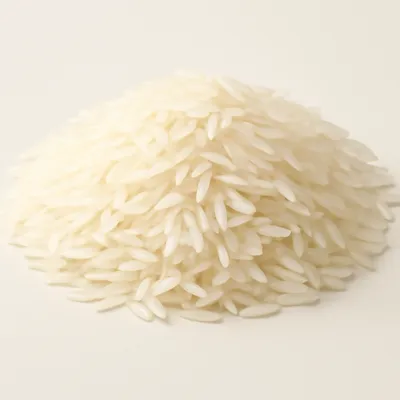
Soak rice with a little urad dal for several hours, then grind to a batter and ferment overnight.
Watch outFerment the ground batter overnight until risen and tangy — this is what leavens the cake; a flat unfermented batter bakes dense.
- 25 min
Melt jaggery in a little warm milk or ghee and fold it into the batter.
- 35 min
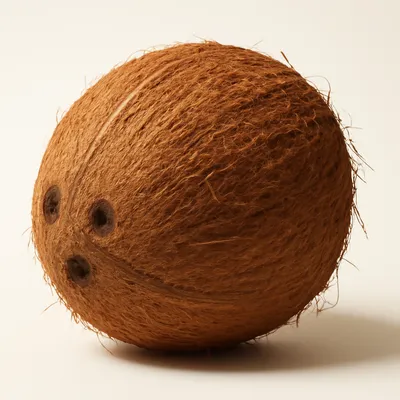
Mix in grated coconut, coconut slivers, crushed pepper, fennel, cardamom, and chopped nuts.
- 44 min
Line an earthen vessel with banana or sal leaves and pour in the batter.
- 512 min
Seal the vessel and bake it slowly over wood embers (or in a covered heavy vessel) for several hours until a deep crust has formed.
Watch outBake slow over embers until a deep near-burnt crust forms — that dark caramelized shell that names the dish; too fast and you get color without the roasted depth.
- 64 min
Cool briefly, unmold, and slice to serve the caramelized crust and moist interior together.
Archive tool suggestions — not reviewed
These legacy suggestions have not been evidence-reviewed and are not presented as required tools.