A steamed Odia rice cake wrapped in fresh turmeric leaves: a fermented rice-and-urad batter is spread on a turmeric leaf, filled with coconut and jaggery, folded, and steamed, so the cake absorbs the leaf's earthy, peppery aroma. It is the signature pitha of Prathamastami, the Odia festival for the firstborn.
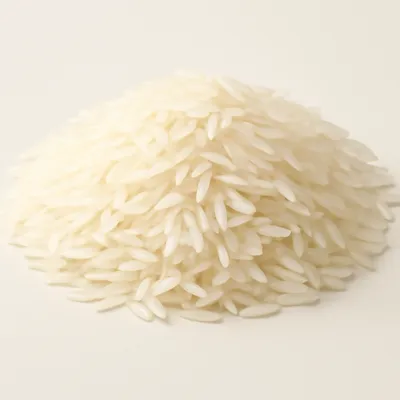

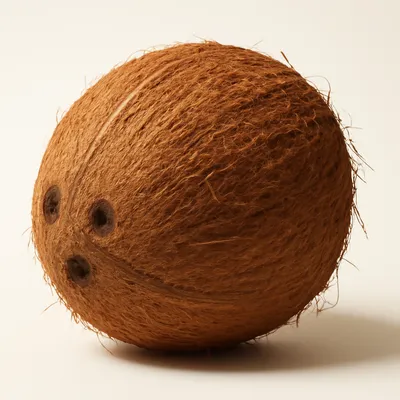

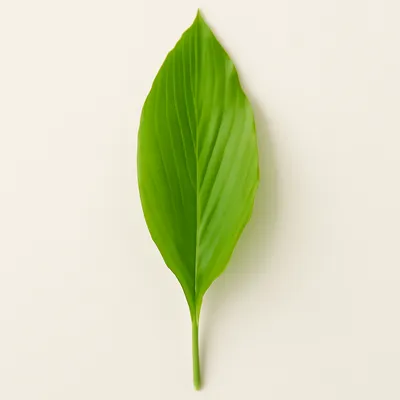
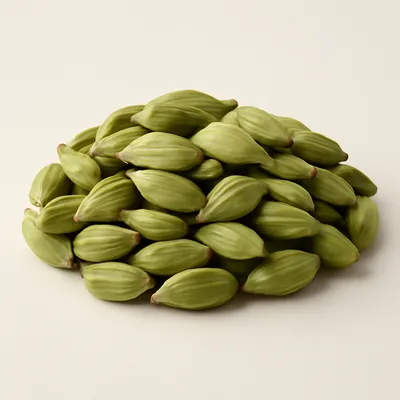
Enduri pitha is a steamed rice cake of Odisha, made especially for Prathamastami, the Odia festival that celebrates the wellbeing and long life of the firstborn child in a family. Its distinguishing feature is the turmeric-leaf wrapper: a fermented batter of rice and urad dal is spread on a fresh turmeric leaf (enduri leaf), a filling of grated coconut and jaggery is laid along the center, the leaf is folded over, and the package is steamed. During steaming, the leaf's volatile aromatic compounds — earthy, slightly peppery, faintly ginger-like — migrate into the batter, giving the cake a fragrance no turmeric powder could replicate. Enduri pitha belongs to the wider Odia pitha family and the older eastern-Indian practice of steaming fermented rice batters (shared with the idli's ancestors), but the turmeric-leaf wrapping is its particular signature. It is made across the northern and central regions of Odisha, and outside Prathamastami it appears at other festive and temple occasions.
Soft, airy, fermented cake with a warm, earthy, turmeric-leaf perfume, wrapped around a sweet coconut-jaggery center flecked with pepper.
The turmeric leaf is the active ingredient, not just a wrapper. Under sustained steam heat, the leaf's essential oils — mostly turmerone and ar-turmerone, the same compounds that give turmeric root its aroma — volatilize and migrate into the surrounding batter, where they are absorbed by the gelatinizing starch; this is why the leaf is folded around the cake rather than placed underneath it, so the aroma reaches both sides. The fermented batter, meanwhile, leavens as in an idli: wild yeast and lactic-acid bacteria produce carbon dioxide trapped by the viscous network, giving the cake its airy, hole-pocked crumb, while the lactic acid flavors it with a clean sourness that balances the sweet filling. Steaming, rather than baking or frying, is essential because it cooks the batter gently without forming a crust that would block the leaf's aroma, and without driving off its delicate volatiles.
Variations
A savory version omits the sweet filling; some add chhena to the filling for richness, and banana leaf is the substitute where turmeric leaves are unavailable.
On the Palate
Where Enduri Pitha sits in the Indian flavor cloud
Ingredients
Serves 5How it's made
6 steps · 25 min
- 18 min
Soak rice and urad dal, then grind and ferment overnight into a batter.
Watch outFerment the batter overnight until light and bubbly — like an idli, it's the trapped fermentation gas that gives the cake its airy, spongy crumb.
- 26 min
Cook grated coconut with jaggery, cardamom, and black pepper into a thick filling.
- 33 min
Wipe fresh turmeric leaves clean and lay them flat.
- 44 min
Spread a layer of batter across each leaf, place a line of filling along the center, and fold the leaf over.
Watch outFold the leaf right around the cake, both sides — the leaf's aromatic oils migrate into the batter under steam, so it must wrap it, not just line under it.
- 57 min
Steam the folded packages until the batter is set and cooked through.
Watch outSteam until the batter's set firm all through — under-steamed and the centre stays wet and pasty.
- 62 min
Peel back the leaf at the table to release the turmeric aroma, and serve warm.
Archive tool suggestions — not reviewed
These legacy suggestions have not been evidence-reviewed and are not presented as required tools.


