
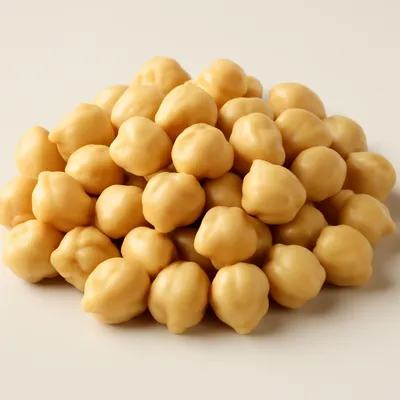
Idiyappam is the Tamil steamed rice "string hopper": a soft dough of roasted rice flour and hot water is pressed through a fine-holed sieve press into thread-thin vermicelli, coiled into small flat nests, and steamed until fluffy. Eaten at breakfast or supper, it is pale, soft, and almost weightless, served with sweetened or plain coconut milk, kadala (black-chickpea) curry, egg or vegetable kurma, or simply sugar and grated coconut. It belongs to the same family as the Sri Lankan "string hoppers" and is known in Kerala as noolappam or noolputtu and in Karnataka as shavige. The dish is one of the oldest in the South Indian repertoire, made fresh and eaten warm.


Idiyappam is one of the oldest dishes of the Tamil country. The food historian K. T. Achaya places it, along with appam, idli, dosa and vada, in the South Indian kitchen by about the first century CE, citing allusions in Sangam-era literature where pressed rice-noodle foods were sold by seashore snack vendors. The mold-press technique that defines the dish is described in an early-medieval Kannada cookbook, the Lokopakara, which records the making of shavige—the Karnataka name for the same extruded rice noodle. The Tamil name idi-appam joins idi ("broken down" or "pressed") with appam ("hopper" or rice pancake); because the strands are pressed out like thread, it is also called noolappam or noolputtu, from nool, "string." The Anglo-Indian and Sri Lankan name "string hoppers" translates the same idea, and the dish remains a shared staple across Tamil Nadu, Kerala, Karnataka and Sri Lanka.
Fresh from the steamer the nests are soft, light and faintly sweet, the fine strands tender but distinct enough to lift apart. Plain, they taste mildly of rice; with warm coconut milk and jaggery they turn into a gentle, milky sweet, and against a dark kadala curry they soak up the spice while staying springy. They are at their best warm—once cold, the strands stiffen and dry, so a steaming basket of idiyappam is eaten quickly, before it loses its bounce.
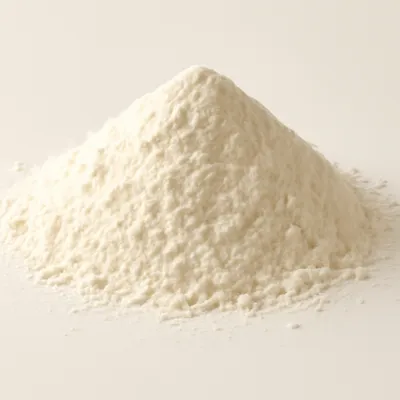
The flour is gently dry-roasted first: brief heating without browning drives off surface moisture and lightly modifies the starch, which yields a softer, fluffier cooked strand. Kneading with near-boiling water is the key step—the hot water gelatinizes part of the rice starch on contact, so the granules swell and turn the powder into a cohesive, pliable dough that can be extruded into long unbroken threads without a glutinous binder (rice has no gluten). Pressing the warm dough through the fine press shapes the vermicelli; steaming then fully gelatinizes the rest of the starch at around 100°C, setting the threads soft and holding their coiled shape. As the cooked strands cool, the gelatinized starch begins to retrograde and firm up, which is why idiyappam hardens and dries when left to sit and is always served freshly steamed.
Variations
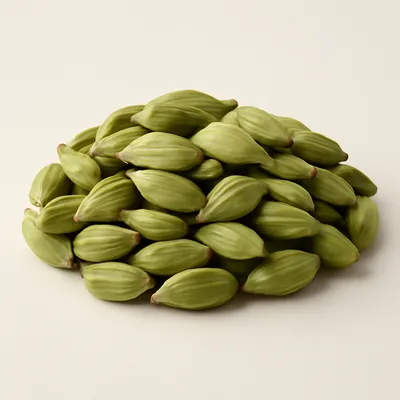
Kerala makes it with both white and red (matta) rice flour and often serves it with sweetened coconut milk and jaggery or with kadala curry and egg roast; Tamil Nadu pairs it with vegetable kurma or coconut chutney. A sweet version is tossed with grated coconut, jaggery and a little cardamom, sometimes steamed in the dough itself. Savory idiyappam, similar to sevai, is stir-fried after steaming with mustard seeds, curry leaves, lemon or coconut. The Sri Lankan string hopper is the same technique, usually thinner and stacked in larger numbers, eaten with dhal, coconut sambol or curry.
On the Palate
Where Idiyappam sits in the Indian flavor cloud
Ingredients
Serves 4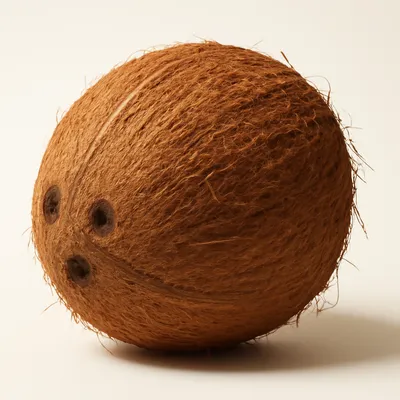

How it's made
8 steps · 20 min
- 13 min
Dry-roast the rice flour over low heat, stirring, for 2-3 minutes until it smells faintly toasty and feels warm; do not let it brown. Stir in the salt.
Watch outDry-roast the rice flour only until faintly toasty and warm, never browned — brief heating softens the strand; brown it and the idiyappam turns hard.
- 22 min
Bring the water to a rolling boil. Slowly pour the boiling water into the flour while stirring with a spatula until it comes together into a shaggy mass.
Watch outPour genuinely boiling water into the flour and mix — the hot water gelatinizes the rice starch so the gluten-free dough binds into unbroken threads; cool water and it crumbles apart.
- 34 min
Let the dough cool just enough to handle, then knead briefly into a smooth, soft, non-sticky dough. Cover to keep it warm and pliable.
- 43 min
Lightly grease the idli plates or small steamer trays with a few drops of sesame oil. Load the warm dough into the idiyappam press fitted with the fine-holed disc.
- 55 min
Press the dough in tight circular motions onto the greased plates to form small flat coiled nests of fine strands.
- 610 min
Steam the nests over boiling water for 8-10 minutes, until the strands turn from opaque to set and look glossy and cooked through.
Watch outSteam eight to ten minutes until the strands turn from opaque to glossy and set — that shift from milky to translucent is the doneness cue.
- 75 min
Meanwhile, warm the coconut milk with a little jaggery (and a pinch of cardamom) for the sweet serving, or have kadala curry hot and ready.
- 82 min
Serve the idiyappam warm and fresh, straight from the steamer, with sweetened coconut milk, kadala curry, or sugar and grated coconut.
Archive tool suggestions — not reviewed
These legacy suggestions have not been evidence-reviewed and are not presented as required tools.


