Kozhukattai are steamed rice-flour dumplings — silky smooth on the outside, filled with a warm, fragrant mixture of freshly grated coconut and melted jaggery called poornam. The sweet form is Tamil Nadu's primary ritual offering to Ganesha during Vinayaka Chaturthi, while the savory pidi kozhukattai — plain rice balls simmered in spiced thin rasam — is a year-round everyday tiffin, showing the same form in two entirely different registers.




Kozhukattai is the Tamil form of the modak, a steamed rice-flour dumpling long associated with the worship of Ganesha, to whom it is offered as a favourite food during Vinayaka Chaturthi. It is popularly held to have ancient roots in Tamil food and ritual culture, though claims that it is named in Sangam poetry or recorded in early temple inscriptions are traditional attributions rather than firmly documented history. Ganesha worship spread widely in the Tamil country under Pallava and Chola temple culture, and by the medieval period the dumpling was well established in both sweet and savoury forms — steamed and fried, sweetened with jaggery and coconut or spiced. The savoury pidi kozhukattai, in which small rice balls are simmered in a thin spiced broth, represents a parallel everyday lineage unconnected to the festival form despite the shared name and structure.
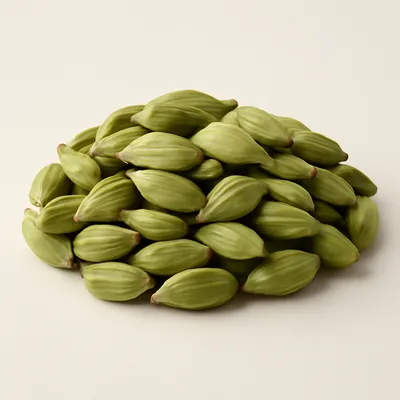
The outer skin yields with gentle pressure, releasing a puff of fragrant steam and the warm coconut-jaggery filling — molten jaggery mingling with the faint fresh grassiness of grated coconut and a whisper of cardamom. The rice-flour shell has a subtle, satisfying chew that contrasts with the softer, slightly sticky filling; together they create a clean sweetness that feels light despite its richness.
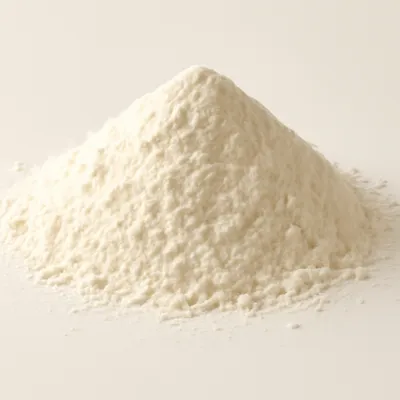
The dough is made by pouring boiling water directly onto rice flour — the intense heat partially pre-gelatinizes the starch granules on contact, making the dough pliable and smooth without any further cooking. Hydration balance is critical: too little water and the dough cracks when shaped; too much yields a sticky, collapsing wrapper unable to hold the filling. During steaming, the remaining starch granules fully gelatinize in the wet heat, setting the dough into a semi-translucent, slightly glossy shell with a soft chew. The coconut-jaggery poornam filling is dry-cooked in advance to drive off moisture — preventing internal steam from rupturing the sealed wrapper during steaming — and the jaggery undergoes partial caramelization during this cooking, darkening and deepening its molasses-like sweetness to provide contrast against the neutral rice skin.
Variations
Pidi kozhukattai are savory plain rice balls simmered in thin spiced rasam — a year-round everyday dish unrelated to the festival form. Ulundhu kozhukattai uses a spiced urad dal filling in place of coconut-jaggery. Vella kozhukattai has a thinner outer skin and a higher ratio of jaggery in the filling. The structurally similar kudumulu of Andhra Pradesh are steamed for the Nagula Chavithi festival, showing the shared Dravidian rice-dumpling tradition across state lines. Modern versions use chocolate ganache or dried fruit and nut fillings at wedding banquets.
On the Palate
Where Kozhukattai sits in the Indian flavor cloud
Ingredients
Serves 4How it's made
8 steps · 22 min
- 112 min
Make the poornam filling: melt 150g grated jaggery in a dry pan with 2 tablespoons water; add 200g freshly grated coconut and a pinch of cardamom powder, stir on medium heat for 8 minutes until the mixture is dry enough to hold its shape without sticking; cool completely.
- 210 min
Make the dough: bring 250ml water to a rolling boil; add a pinch of salt, pour immediately over 200g rice flour in a large bowl, and stir quickly with a wooden spoon; once cool enough to handle, knead briefly with oiled hands into a smooth, pliable ball — it should not crack or stick.
Watch outPour boiling water onto the rice flour to pre-cook it, then knead smooth — the dough must not crack or stick, or the wrappers split while shaping.
- 33 min
Pinch off a ball of dough (about 30g); press it flat in your palm or on a plastic sheet into a thin, even round about 7cm across, with slightly thicker edges than the centre.
- 42 min
Place a heaped teaspoon of cooled poornam in the centre of the dough round.
- 53 min
Bring the edges up around the filling and pinch firmly to seal into a half-moon or smooth oval shape; press the seam hard — any gap will leak filling during steaming.
Watch outPress the seam hard shut — the smallest gap lets the sweet coconut filling leak out into the steamer.
- 63 min
Line a steamer tray with a damp banana leaf or lightly oiled parchment paper; arrange the shaped kozhukattai with a little space between each piece.
- 712 min
Steam over vigorously boiling water for 10–12 minutes, until the outer skin turns slightly translucent and develops a faint sheen.
Watch outSteam just until the skin turns slightly translucent with a faint sheen — over-steam and it firms up rubbery instead of tender.
- 82 min
Remove from the steamer and rest for 2 minutes before serving; the skin firms slightly as it cools, which is normal — it should remain tender, not rubbery.
Archive tool suggestions — not reviewed
These legacy suggestions have not been evidence-reviewed and are not presented as required tools.


