
Jolada rotti is the unleavened sorghum flatbread of North Karnataka — jola is the Kannada word for jowar (sorghum), rotti the flatbread. Sorghum flour is kneaded with hot water into a stiff dough, then patted or rolled into a large thin round and cooked on a tawa, where it is finished over an open flame so it puffs and dries into a firm, faintly nutty disc. It is the daily bread of the dry Deccan districts around Vijayapura, Dharwad, Hubballi, Belagavi and Kalaburagi, gluten-free and sturdy, eaten with pulse curries, jhunka, brinjal yengai, and a pungent peanut-and-garlic chutney pudi.
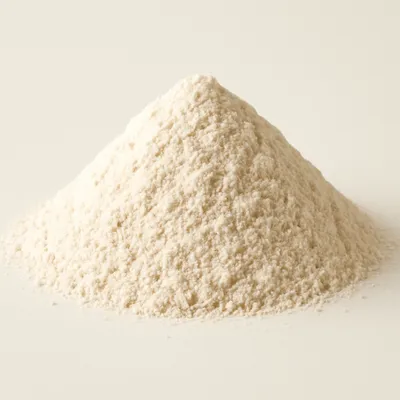
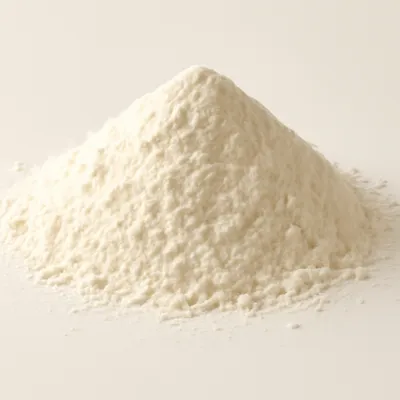


Jolada rotti is rooted in the agriculture of the northern Karnataka plateau, where sorghum is a hardy, drought-tolerant grain long suited to the arid, low-rainfall Deccan and grown across districts such as Kalaburagi, Vijayapura, Dharwad, Belagavi and Haveri. The bread takes its name straightforwardly from the grain rather than any person or event, and is documented as the staple everyday flatbread of these regions rather than a festive creation. Its prominence follows directly from sorghum cultivation: in the rice-poor, wheat-poor dry belt, jowar was the grain at hand, and the rotti became the meal it built itself around.
A pale, matte round, firm and dry rather than soft, with a faint crisp snap when fresh and a thicker, chewier body than a wheat roti. The flavour is mild, earthy and gently nutty, with the clean dry taste of sorghum and no sourness or yeast. On its own it is plain and sturdy; it comes alive torn into a fiery brinjal curry or smeared with garlicky peanut chutney pudi, soaking up the gravy while holding its shape. Best eaten warm; once cold it stiffens and is often softened with a sprinkle of water and reheated.
Jolada rotti is challenging precisely because sorghum has no gluten to bind it. Kneading the flour with hot water partly gelatinises the starch, which is the only thing holding the dough together, so it must be worked while warm and shaped before it cools and crumbles. Skilled cooks pat it out by hand on a damp surface into a thin even circle without cracks; less practised hands roll it between sheets. On the tawa the surface sets, then a brief turn directly over the flame flash-heats the trapped moisture into steam, which puffs the rotti and dries it into a stiff, keepable bread. Because there is no leavening, the lift and crisp are purely physical — steam and heat — and timing the flame is what separates a puffed, evenly cooked rotti from a scorched or leathery one.
Variations
Thickness and size vary by district and hand — some are rolled large and very thin, others patted smaller and a touch thicker. A common variant works a little cooked rice or a handful of wheat or millet flour into the dough for easier handling and a softer bite, though purists keep it all-sorghum. It is a sibling of the bajra (pearl millet) rotti of the same dry belt and of the Maharashtrian bhakri, all unleavened millet griddle breads. The full North Karnataka spread, jolada rotti oota, sets it alongside jhunka, brinjal yengai, soppu (greens), curd and the dry chutney pudis that define the region's table.
On the Palate
Where Jolada Rotti sits in the Indian flavor cloud
Ingredients
Serves 4How it's made
7 steps · 20 min
- 15 min
Bring water to a boil and gradually add it to sorghum flour with a pinch of salt, mixing with a spoon until it comes together.
- 27 min
Knead the warm dough thoroughly until smooth and pliable, adding a little more hot water if it is crumbly.
Watch outKnead and shape the dough while it's still warm — hot water gelatinizes the gluten-free sorghum starch that's the only thing binding it, and once it cools it crumbles.
- 36 min
Take a ball of dough and, on a damp surface or between sheets, pat or roll it into a large thin even round.
- 41 min
Dust off excess flour and carefully transfer the rotti onto a hot tawa.
- 56 min
Cook until the underside firms and shows light spots, then flip and cook the second side.
- 62 min
Lift the rotti onto an open flame for a few seconds so it puffs, turning once.
Watch outLay it over an open flame for a few seconds and it should puff — the flash of steam inflates the rotti; no puff means the surface set too dry or the flame's too low.
- 73 min
Serve hot with brinjal curry, jhunka, and peanut chutney pudi.
Archive tool suggestions — not reviewed
These legacy suggestions have not been evidence-reviewed and are not presented as required tools.


