One of the most beloved dishes of Assamese cuisine: pork is slow-cooked with fresh mustard greens (lai xaak) in a no-added-oil preparation where the pork renders its own fat to cook the greens. The mustard's slight bitterness cuts the richness of the pork, and the dish is a winter favorite across the Brahmaputra valley.

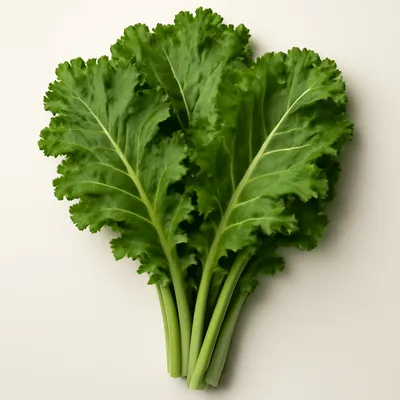


Lai xaak aru gahori (laai gahori, lai xaak gahori) is one of the most iconic and loved dishes of Assamese home cooking. Its name states its two pillars in Assamese: lai xaak is mustard greens (the broad-leaf mustard grown through the Assamese winter), gahori is pork, and the two are slow-cooked together into a single rich curry. The dish is remarkable for its no-oil method — the pork, typically bone-in with its fat, renders enough of its own fat over the slow cook to sauté the greens and build the gravy, so no cooking oil is added; this is a deliberate Assamese principle of letting the ingredients carry. The mustard greens are added late, after the pork has released its fat and softened, so they wilt into the rich base without losing their fresh, slightly bitter character — the bitterness is what balances the pork's richness. The dish is a winter favorite in Assamese households, when mustard greens are at their peak, and it is served at both everyday meals and festive gatherings, always with rice.
Tender, fall-apart pork in a glossy, green-flecked, deeply savory gravy, with the fresh, slightly bitter bite of mustard greens cutting through the richness.
The dish's character rests on the rendered pork fat and the late-added greens. Pork, unlike most meats, carries a thick layer of subcutaneous and intramuscular fat that renders out over the slow cook; that fat becomes the cooking medium for the onion, ginger, and the mustard greens themselves, carrying flavor through the whole dish and giving the gravy its glossy richness without any added oil. The long, covered braise gelatinizes the pork's connective-tissue collagen at around 70–80°C, tenderizing the meat and thickening the gravy. The mustard greens, added in the final stage, wilt quickly in the hot fat but retain their cell-wall structure enough to keep a slight bite; their characteristic slightly bitter, peppery compounds (the glucosinolates that define all brassicas) are precisely what cuts the pork's richness and gives the dish its balance — without the greens, the dish would be heavy; without the pork fat, the greens would be thin. Minimal spice — ginger, garlic, turmeric, perhaps green chili — lets the two main ingredients carry.
Variations
Some versions add a few whole peppercorns or a green chili; potato is sometimes cooked in to stretch the dish, and the greens vary with the season.
On the Palate
Where Lai Xaak Aru Gahori sits in the Indian flavor cloud
Ingredients
Serves 5
How it's made
6 steps · 20 min
- 15 min
Cut pork (bone-in, with fat) into pieces; no oil is needed.
- 210 min
Heat a heavy pan, add the pork pieces, and cook on medium heat until they release their fat and begin to brown.
Watch outCook the pork on medium until it renders its own fat and browns — that rendered fat is the cooking medium and richness for the whole dish; no oil is added.
- 38 min
Add chopped onion, ginger-garlic paste, turmeric, and salt; continue to cook until the onion is soft.
- 425 min
Add a little water, cover, and simmer on low heat until the pork is nearly tender.
- 55 min
Wash and chop fresh mustard greens (lai xaak), then add them generously to the pan.
- 610 min
Cover and cook until the greens wilt and the pork is fully tender; adjust salt and serve hot with rice.
Watch outAdd the mustard greens only at the end and cook just until wilted — long cooking turns them dull and mushy and loses their sharp mustard bite.
Archive tool suggestions — not reviewed
These legacy suggestions have not been evidence-reviewed and are not presented as required tools.


