Turmeric
The golden healer, painting your dish and mood with warmth and depth.
Earthy, bitter rhizome with vivid yellow curcumin; anti-inflammatory and foundational to Indian cuisine.
Where it comes from
A sacred spice in Ayurvedic medicine, turmeric has been used for over 4,000 years, revered not just for its flavor but for its healing properties.
In the kitchen
Ground into a vibrant powder or used freshly grated, turmeric enriches curries, rice dishes, and marinades, delivering a warm, aromatic foundation.
Across cuisines
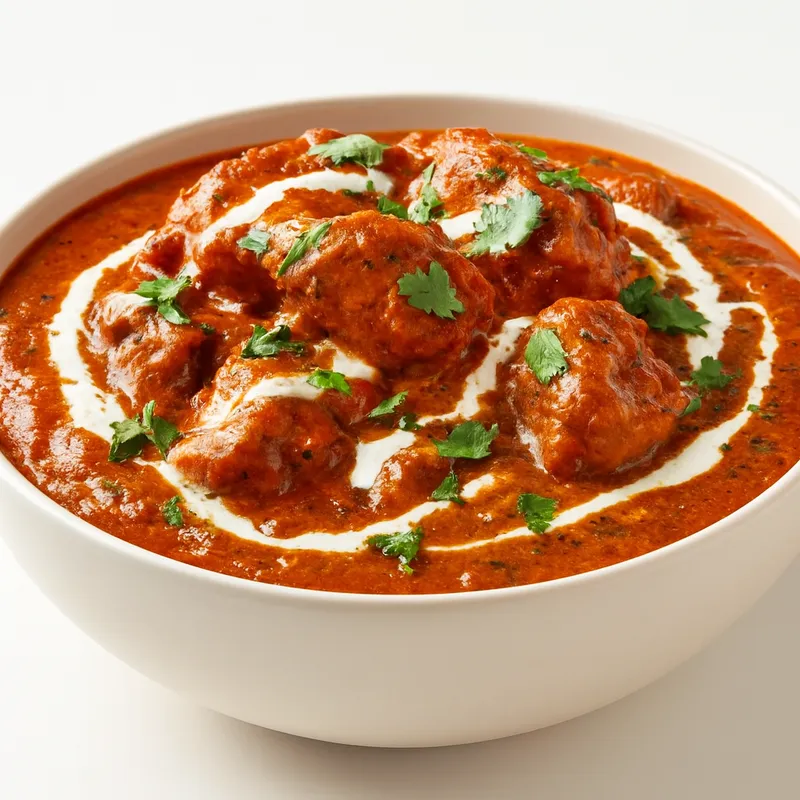
Turmeric (haldi) is the foundational pigment and mild bitter base across nearly all Indian wet curries. In Punjabi cooking it enters at the oil-tempering stage with onions for Butter Chicken, Chana Masala, and Aloo Gobi — typically 1/4 to 1/2 tsp per serving, enough to color without dominating. Bengali cooking uses it as a fish anti-odor rub (Bhetki Paturi) before wrapping and steaming. South Indian Avial and Sambar use it in thin gravy bases where its earthy note registers clearly.
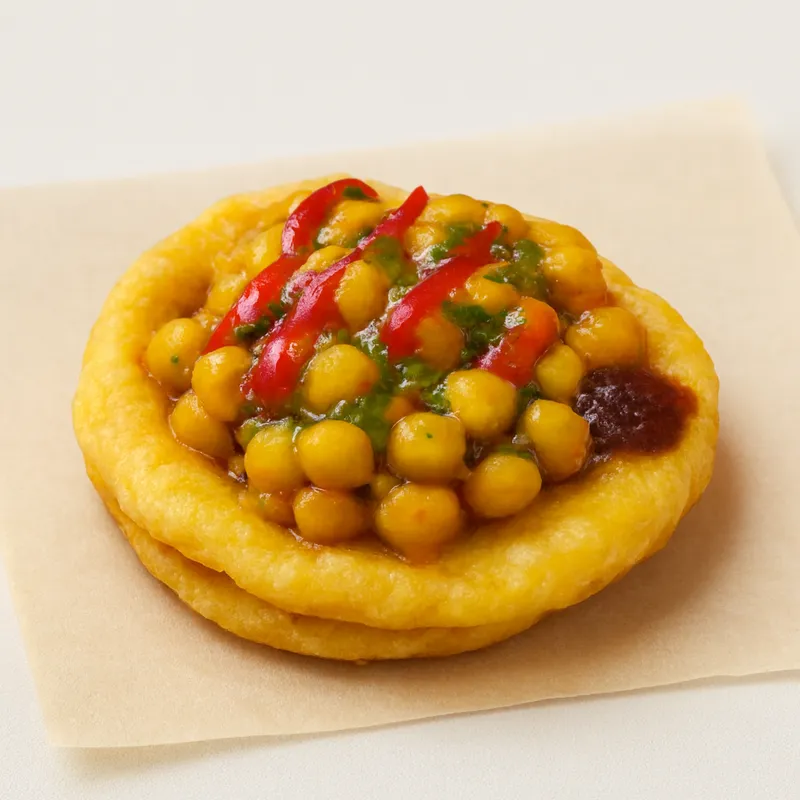
Burmese curries rely on a sanwin-ngan-pya base (onion, garlic, ginger, turmeric, chili) fried until oil separates — the thahna stage — which is the technical proof of a properly cooked Myanmar curry. Beef Curry, Pork Curry, and Fish Curry all follow this method. Ohn No Khao Swè (coconut noodle soup) uses a turmeric-tinted broth. Burmese Tofu (Shan-style, made from chickpea flour) is tinted yellow by turmeric and pan-fried until crisp.
Amok Trey, Cambodia's steamed fish curry in banana-leaf cups, uses kroeung (lemongrass-galangal-kaffir lime paste) with turmeric as a structural ingredient — it binds the coconut cream and adds color without masking the delicate catfish. Khmer Chicken Curry and Nom Banh Chok (rice noodle soup) carry turmeric in their lemongrass-based broths.
Notable varieties
Higher curcumin content (6–7%) versus standard Indian varieties (2–3%). Deeper orange color, more pronounced earthy-bitter taste. Preferred for medicinal preparations and high-color curry bases.
Used fresh (grated) in Burmese curries rather than dried and powdered. More volatile and floral, with a cleaner finish. Integral to the thahna-stage base.
Nutrition (per 100g)
AI-estimated; model and run unavailable.
Pairs well with