



Created at Moti Mahal in Daryaganj, Delhi — founded in 1947 by Punjabi refugees from Peshawar after Partition. Authorship is disputed: Moti Mahal credits its founder Kundan Lal Gujral, while a rival Daryaganj restaurant credits its own cook Kundan Lal Jaggi, and the two sides litigated the claim in the Delhi High Court in 2024. The kitchen story is consistent — a tandoor full of unsold tandoori chicken drying out by evening, rescued by tossing the leftovers into a tomato gravy with butter and cream. Murgh makhani is a Partition-era leftover dish that became Punjabi restaurant canon.
Charred tandoori chicken gives the tomato-butter sauce its smoky edge. Add the chicken near the end so it stays juicy while the sauce clings to it.
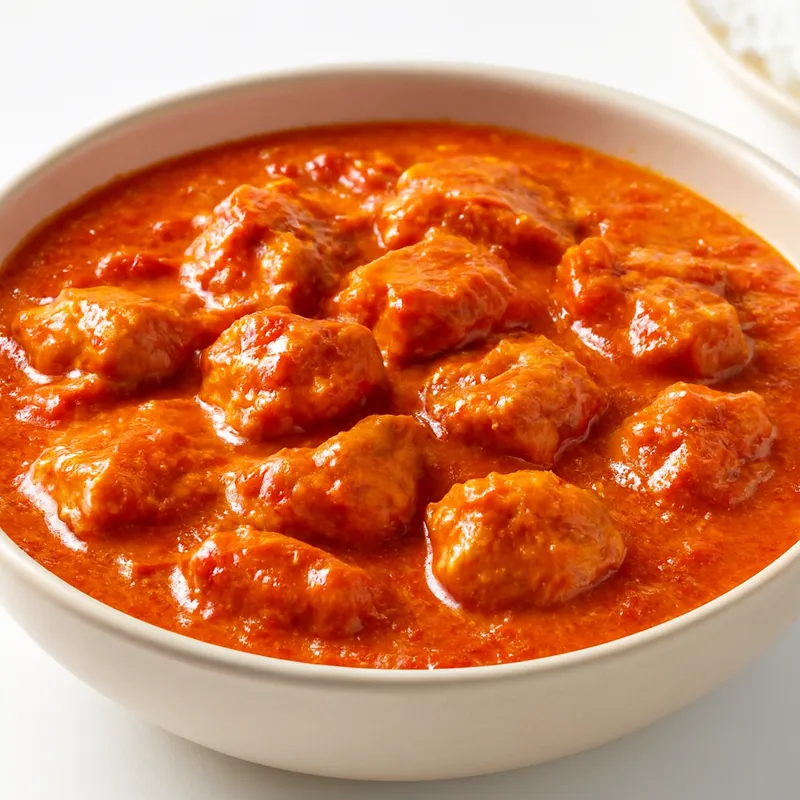
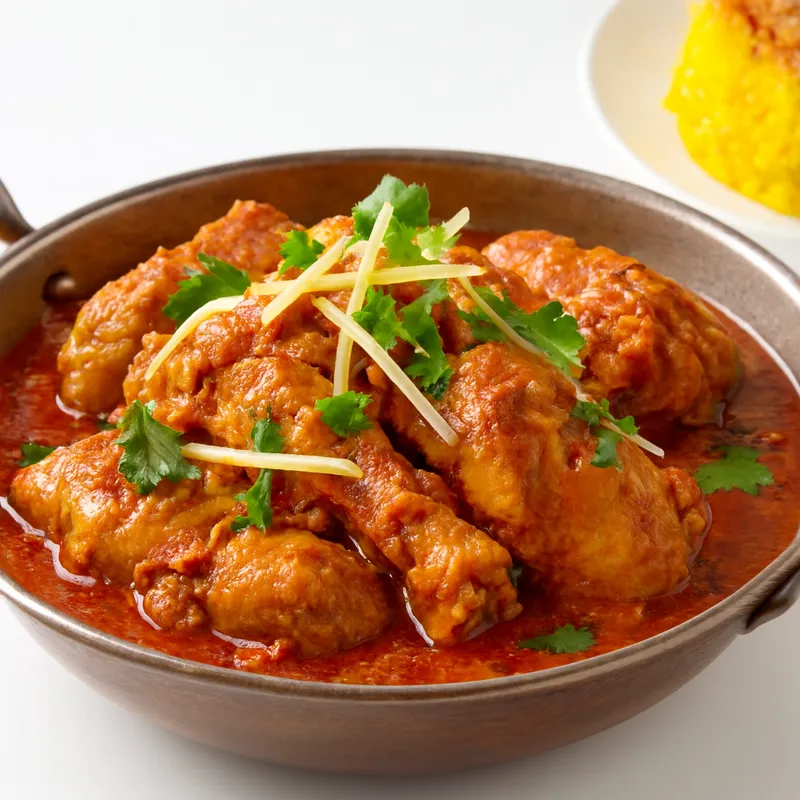
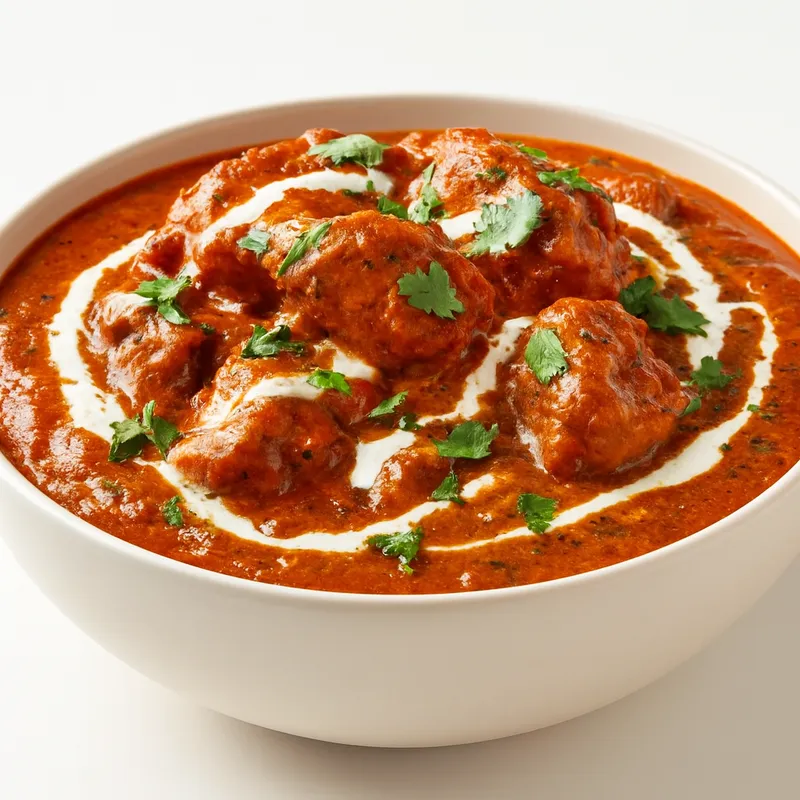
Tandoor-charred chicken thighs in an orange-red sauce so smooth it looks blended — because it is. Sauce tastes of fenugreek leaf (kasuri methi), tomato cooked down past sweetness, butter and cream rounding the edges. Mild heat, never tongue-burning. Eaten with naan torn and dragged through the sauce. If the sauce is loose and watery, the cream went in too early and broke.
The sauce gets its character from a long tomato reduction (often with cashew paste for body) finished with a generous fistful of dried fenugreek leaf — that herbal, faintly bitter top note is what tells you it's butter chicken and not generic curry. Cream goes in off heat; boiling cream in an acidic tomato base curdles. Restaurants finish with a spoonful of tandoor smoke (dhungar) for the char note.
Variations
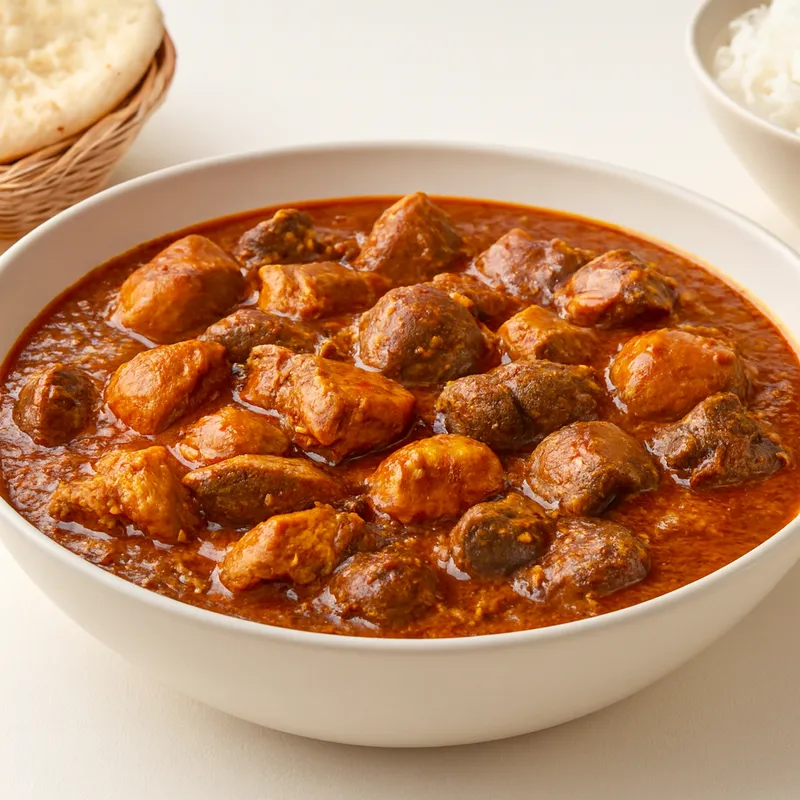
Moti Mahal's Delhi original uses tomato-cream-fenugreek; British curry-house version uses more cream; modern Indian versions use cashew paste instead of cream — three richness paths.
On the Palate
Where Butter Chicken sits in the Indian flavor cloud
Master the marinate-char-then-simmer arc: yogurt-spice marinated chicken cooked hot for real char, folded into a long tomato reduction, with cream added off the boil and kasuri methi at the end so the sauce turns silky and never breaks.
Ingredients


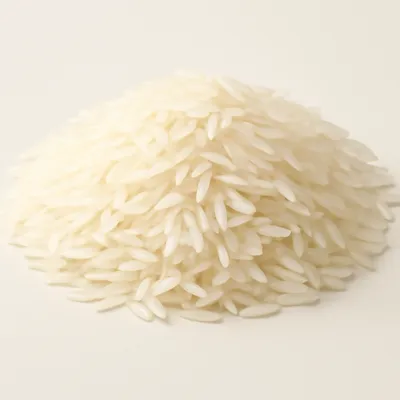





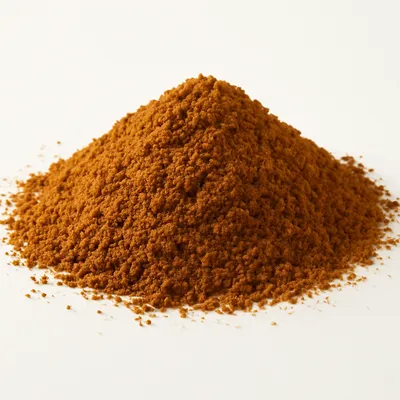
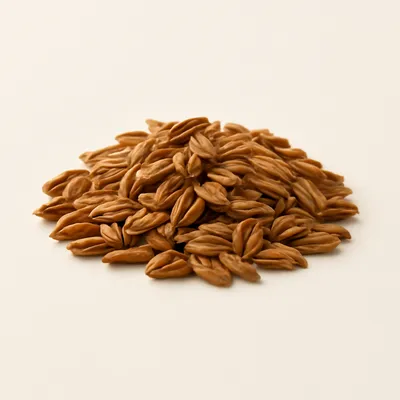


How it's made
5 steps · 1 hour 5 min active + 4 hours waiting
- 110 min
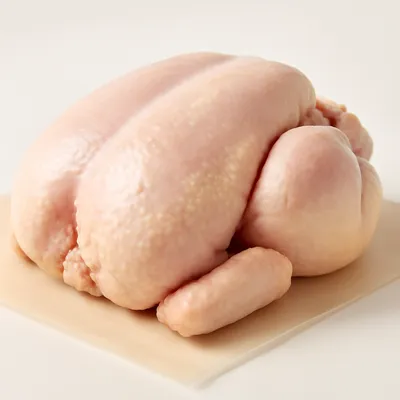
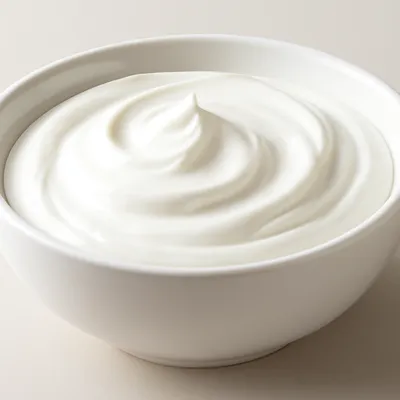
Combine lemon juice, yogurt, Kashmiri red chili, salt, garam masala, ginger paste, and garlic paste in a bowl. Add the chicken pieces, ensuring they are fully coated. Cover and refrigerate to marinate for at least 4 hours or overnight.
Watch outThe marinade should cling as a thick, even coat on every piece — thin, runny yogurt won't hold char or seasoning; give it at least four hours, overnight is better.
- 220 min
Preheat your grill or oven to high heat. Cook the marinated chicken pieces until they are charred and cooked through, about 8-10 minutes per side. The chicken should have a smoky aroma and a slight char on the edges.
Watch outLook for blackened char spots on the edges and a smoky aroma; pierce a thick piece and the juices should run clear, not pink.
- 310 min
In a large pan, melt butter over medium heat. Add finely chopped onions and sauté until golden brown. Stir in garlic and ginger paste and cook until fragrant.
Watch outTake the onions to a true golden brown, not pale — then wait for the raw sting of garlic and ginger to give way to a mellow, fragrant smell before adding tomato.
- 415 min
Add pureed tomatoes, cumin, and garam masala to the pan. Simmer until the sauce thickens and the oil separates from the tomatoes, about 15 minutes.
Watch outThe sauce is ready when it thickens and beads of oil break free and glisten at the surface and edges; stir now and then so it doesn't catch on the bottom.
- 510 min
Add the cooked chicken to the sauce, along with cream and kasuri methi. Simmer gently for another 10 minutes, allowing the flavors to meld. The sauce should be rich and creamy.
Watch outAfter the cream and kasuri methi go in, the sauce should turn a smooth, unified orange-red and coat the back of a spoon — if it looks split or watery, the cream met too much heat.
Archive tool suggestions — not reviewed
These legacy suggestions have not been evidence-reviewed and are not presented as required tools.