
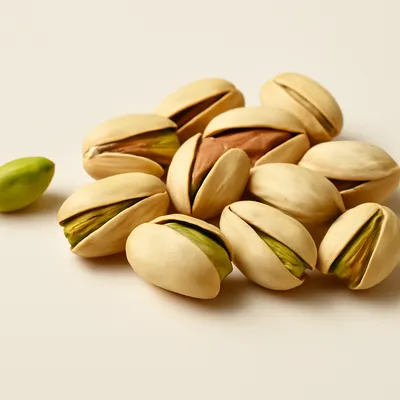
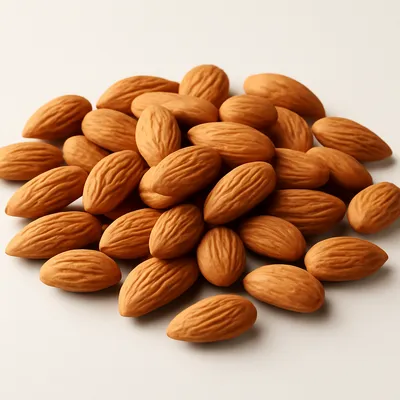
Kalakand, often sold simply as milk cake, is a moist, grainy fudge made by curdling milk slightly and then cooking it down with sugar until it sets into soft squares. Unlike the smooth, fine paste of plain barfi, kalakand is deliberately granular — fresh chhena or curdled milk solids are cooked just enough to bind, leaving a tender, almost crumbly crumb that stays damp and milky inside. It is scented with cardamom and usually topped with chopped pistachios or almonds. The town of Alwar in Rajasthan is so identified with it that its caramel-edged, slow-cooked style is known nationwide as Alwar ka mawa or Alwar milk cake.




Kalakand belongs to the broad family of chhena- and khoya-based milk sweets developed by India's halwai community, but its most famous style is firmly tied to Alwar in Rajasthan. The Alwar milk cake is documented by the firm of Baba Thakur Das & Sons, who date their shop and the sweet to 1947; the founder, a halwai who had worked in Dera Ismail Khan, settled in Alwar after the Partition of British India. The story that the granular, caramel-tinged style arose by accident, when a batch of milk was cooked far longer than usual and the cook persevered rather than discard it, is the family's own account and is repeated as such rather than as independently documented history. What is not in doubt is that Alwar became the byword for the sweet, supporting hundreds of shops trading on the name.
A soft, pale square, sometimes with a tan caramelized base, its surface studded with green pistachio. It breaks rather than slices cleanly, giving way into a moist, open, granular crumb that melts and dissolves on the tongue without chew. The flavour is fresh and milky, sweet but not cloying, with the gentle tang of lightly curdled milk and the warmth of cardamom; the Alwar style carries a deeper cooked-milk, faintly caramel note from longer reduction. It is best eaten fresh and is served at room temperature in small pieces.
Kalakand turns on partly curdling milk and then arresting the cook before it dries out. A little acid — lemon juice, vinegar or alum — or a spoon of yogurt is added to simmering milk so the proteins just begin to break into soft curds without fully separating into chhena and whey; this is what gives the finished sweet its characteristic grain rather than the smooth body of barfi. The curdled milk is cooked with sugar over low heat and stirred until it thickens to a soft, mounding mass that still holds moisture — the timing is the whole craft, since cooking too long drives off the water and the cake turns dry and hard, while too little leaves it loose and weeping. The Alwar style deliberately cooks longer and hotter at the base so the milk catches and caramelizes, deepening colour and flavour. The mass is set in a tray, topped with nuts and cut into squares.
Variations
The granular Alwar milk cake, with its caramelized brown underside, is the benchmark style; a quicker home kalakand is made by cooking paneer or chhena with condensed milk for a softer, whiter set. It is closely related to grainy barfis and to chhena-based sweets such as sandesh, and is sometimes flavoured with saffron or rose, or layered two-tone. Festival versions are gilded with edible silver leaf, and modern shops sell fruit and chocolate kalakand.
On the Palate
Where Kalakand sits in the Indian flavor cloud
Ingredients
Serves 12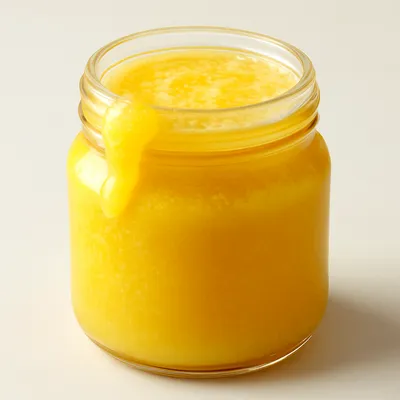
How it's made
6 steps · 10 min
- 18 min
Bring whole milk to a simmer in a wide heavy pan, stirring so it does not catch.
- 25 min
Stir in a little lemon juice or vinegar so the milk just curdles into soft, fine curds without fully separating.
Watch outStir in the acid until the milk just breaks into soft, fine curds — fully separated and you've made chhena, not the grainy kalakand body.
- 35 min
Add sugar and continue cooking over low-medium heat, stirring constantly.
- 422 min
Cook until the mixture thickens to a soft, grainy mass that still holds moisture and mounds on the spoon; stir in cardamom.
Watch outPull it while it still holds moisture and mounds on the spoon — cook too far and it dries hard and loses its softness.
- 53 min
Spread into a greased tray, level it, and scatter chopped pistachios and almonds over the top, pressing gently.
- 6180 min
Cool to room temperature until set, then cut into squares.
Archive tool suggestions — not reviewed
These legacy suggestions have not been evidence-reviewed and are not presented as required tools.


