
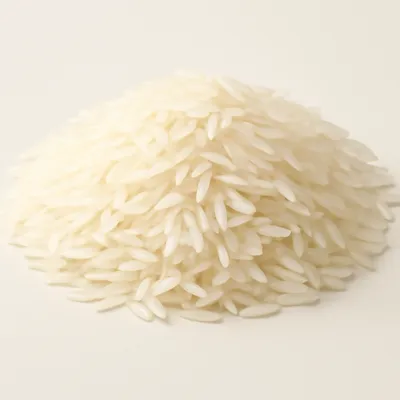
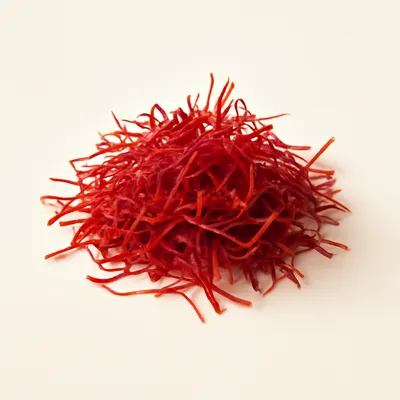
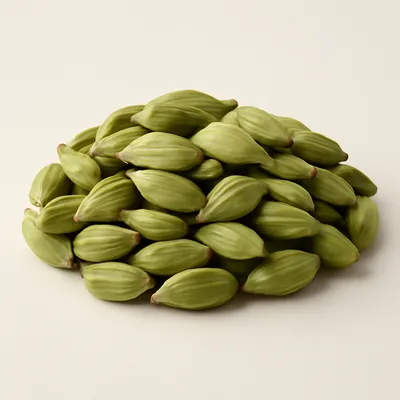
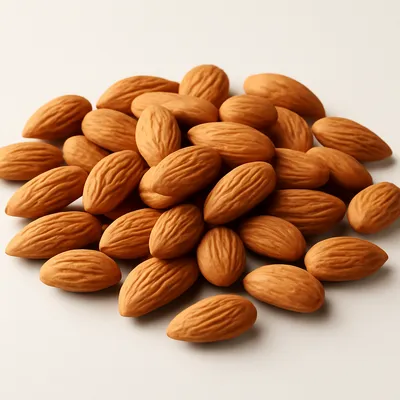
Doodhpak is a Gujarati sweet pudding of full-fat milk slow-simmered and reduced, with only a spoonful of rice, sweetened with sugar and perfumed with saffron and cardamom. Almonds, pistachios and tiny charoli nuts finish it. It is thinner and more pourable than kheer — milk-forward, the rice barely there — and is traditionally eaten with hot puri at festive and auspicious meals. The name reads simply as milk preparation: doodh, milk, and pak, a cooked sweet.


Doodhpak originated in Gujarat and is classed within Gujarati cuisine, the regional answer to kheer; the term is shared with Konkani cooking too. No reliable dated record or named originator survives — it is a traditional regional sweet, and the honest framing is a festive, wedding and full-moon dish rather than the dedicated dish of any one named festival. Milk-rice sweets of this family are offered on the autumn full moon of Sharad Purnima, but that link belongs to kheer broadly more than to doodhpak alone. The name is transparent Indic vocabulary — milk plus a cooked confection — not a folk etymology.
A warm or chilled, pale, pourable milk scented with saffron and cardamom, with soft, sparse, slippery grains of rice suspended in it rather than a thick rice mass. It is silky and lightly creamy on the tongue, studded with slivered almond and pistachio and tiny charoli. It is sipped or spooned, or scooped up by tearing pieces of hot puffed puri and dunking them — the savoury fried bread against the sweet milk is the festive signature. Authentic Gujarati versions are often kept white, the cooks leaving out saffron's colour.
Long, slow simmering drives off water and concentrates the milk's solids — its lactose, its casein and whey proteins, its fat — thickening and enriching the base and coaxing out a gentle cooked-milk flavour as the lactose and milk proteins brown faintly, the same chemistry that builds basundi and rabri. This is what gives the pudding body almost without rice. The single spoon of rice is there only to release a little gelatinizing starch that lightly bodies the milk, not to bulk or set it — more rice would swell, absorb the milk and turn the dish thick and grainy, which is exactly what makes a kheer. Saffron's crocin and safranal and cardamom's volatile terpenes are soluble in both fat and water, so they bloom freely through the hot, rich milk.
Variations
Doodhpak and kheer are the same family: doodhpak is the Gujarati name, milkier and thinner with far less rice, eaten with puri, while kheer is the pan-Indian name, with more rice and a grainier, thicker body. Payasam is the southern name for the same pudding, often made with vermicelli, jaggery or coconut milk. Basundi is a reduced-milk relative that is much thicker, made by reducing milk alone with no rice and always eaten cold — doodhpak sits between thin kheer and thick basundi. A regional variant swaps fine wheat vermicelli for some of the rice.
On the Palate
Where Doodhpak sits in the Indian flavor cloud
Ingredients
Serves 6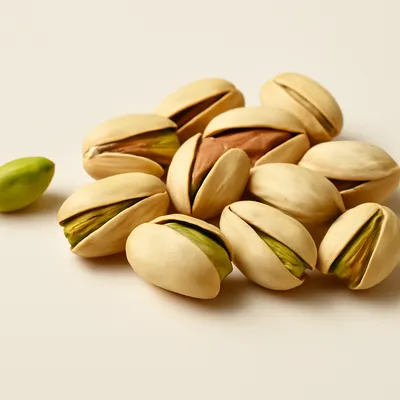
How it's made
8 steps · 1 hour 10 min
- 15 min
Bring full-fat milk to a boil in a heavy pan, then lower to a steady simmer.
- 235 min
Add a small amount of washed rice and simmer, stirring often to stop it catching, until the rice softens and the milk reduces.
Watch outUse only a small spoon of rice and stir often — a little releases just enough starch to lightly body the milk; more would swell and absorb it, turning the pudding thick and grainy instead of pourable.
- 33 min
Soak saffron in a spoon of warm milk and stir it in.
- 46 min
Add sugar and cook a few minutes more until it dissolves and the pudding thickens to a pourable consistency.
Watch outAdd the sugar and cook only until it dissolves and the pudding just thickens to pourable — it should stay loose; over-reduce and it stiffens and loses that silky flow.
- 53 min
Stir in ground cardamom and most of the slivered almonds, pistachios and charoli.
- 64 min
Simmer briefly so the flavours meld, keeping the body loose and pourable.
- 71 min
Scatter the remaining nuts over the top.
- 82 min
Serve warm with hot puri, or chill and serve cold.
Archive tool suggestions — not reviewed
These legacy suggestions have not been evidence-reviewed and are not presented as required tools.


