In Practice
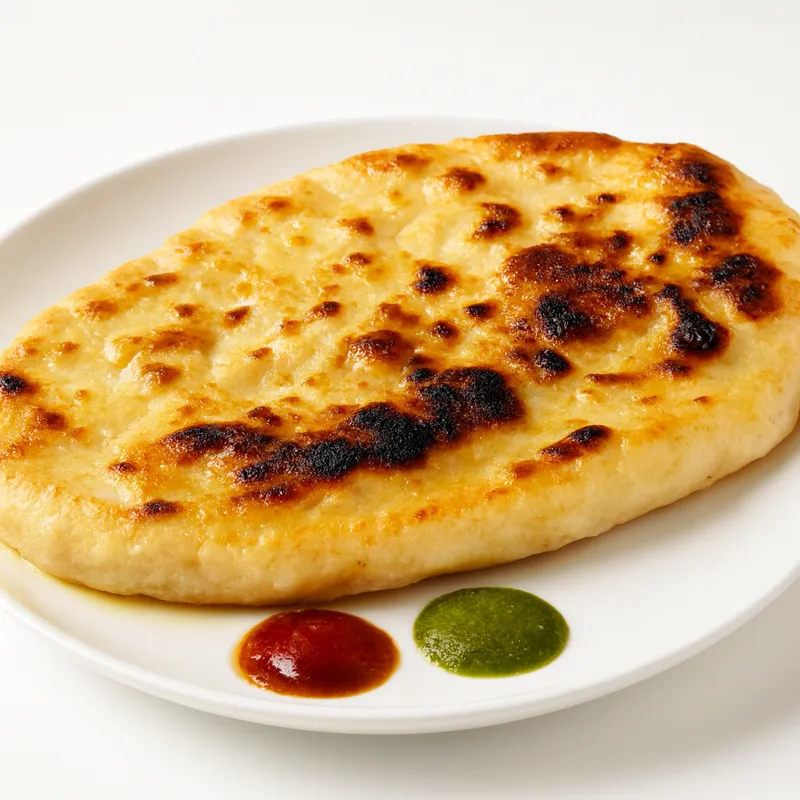
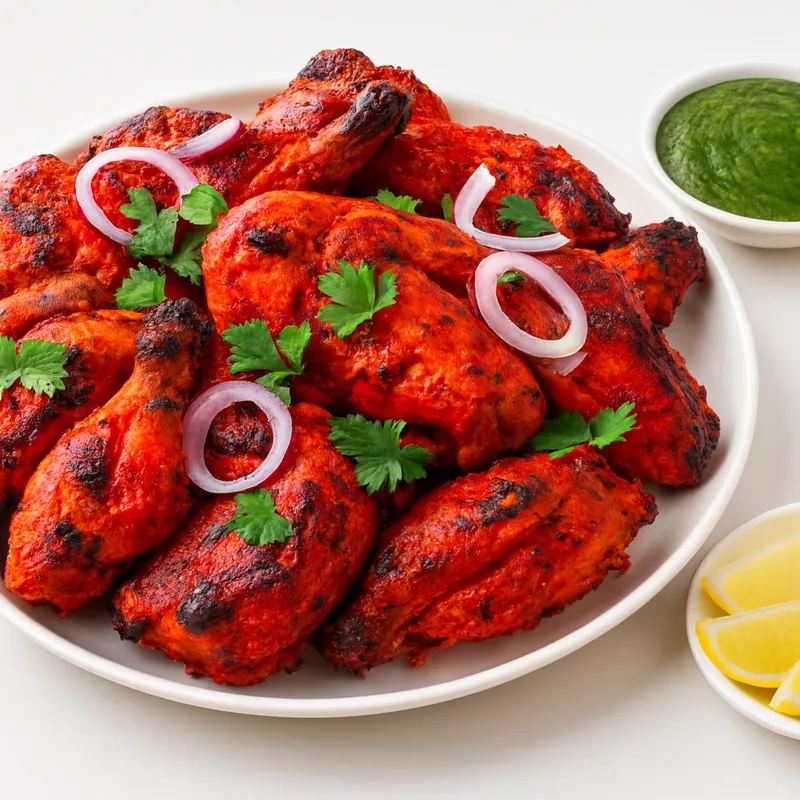
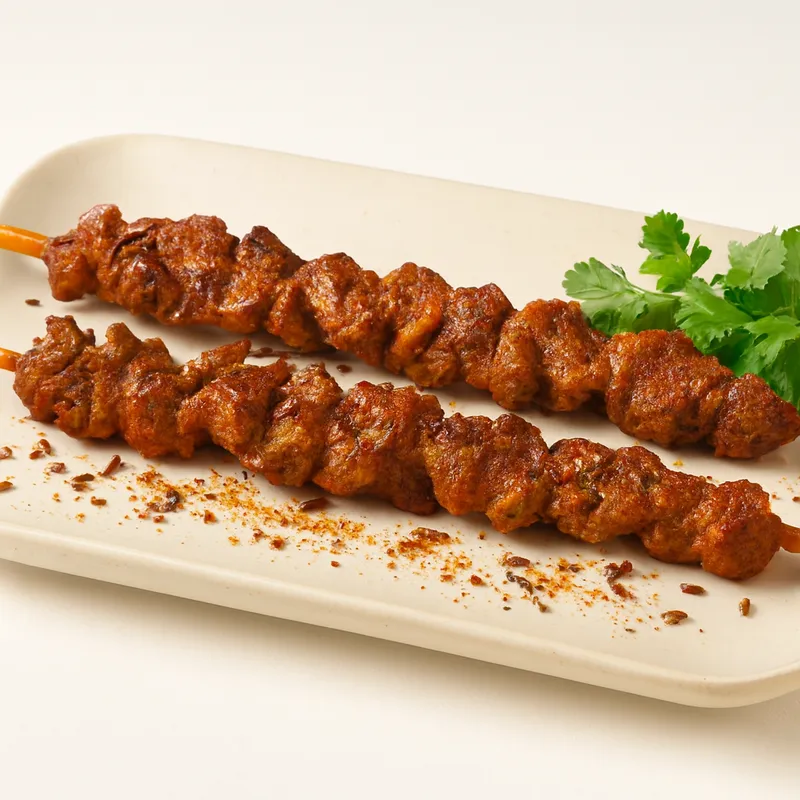
Tandoor walls cured with mustard-oil-and-spinach paste over multiple firings to seal porosity. Charcoal at the base, never wood (smoke flavor wrong for the cuisine). Yogurt-acid marinades with kashmiri chili, ginger-garlic-paste, garam masala for 4-12 hr penetration. Vertical skewers (sikh) prevent juices pooling. Naan slapped with damp hands onto preheated wall; retrieved with iron hooks (seekh). Failure modes: dry tandoor wall causes naan to fall; meat skewers loaded heavy at bottom lose to gravity once moisture loosens.
Background
The tandoor's roots trace back over 5,000 years to the Indus Valley civilization, a cradle of ancient culture. Here, in the bustling settlements, residents crafted clay ovens to bake their daily bread and roast meats. The need for efficient cooking in communal settings and the abundance of clay materials made the tandoor an inevitable invention in this region.
As centuries passed, the tandoor spread through Central Asia and the Middle East, carried by traders and conquerors. Each culture adapted it to their own needs, but it was in the Punjab region where its use became profoundly entrenched. Here, the tandoor evolved into an essential part of Punjabi culinary identity, giving rise to renowned dishes like Tandoori Chicken and Naan. While other regions adopted their own versions, the Punjabi tandoor remains distinctly wood-fired, imparting a unique charred aroma.
How It Works
Bell-shaped clay oven preheated with charcoal to 400-480°C in the chamber walls; radiant infrared and convective hot air act on food at sub-second crust-formation rates. Naan dough slapped onto the wall vitrifies starch and Maillard-browns within 60-90 seconds; yogurt-marinated proteins (chicken, paneer) on vertical skewers char surface lactose and milk proteins to the signature smoky red-orange. Dripping marinade carbonizes on coals, returning aromatics.




Through Time
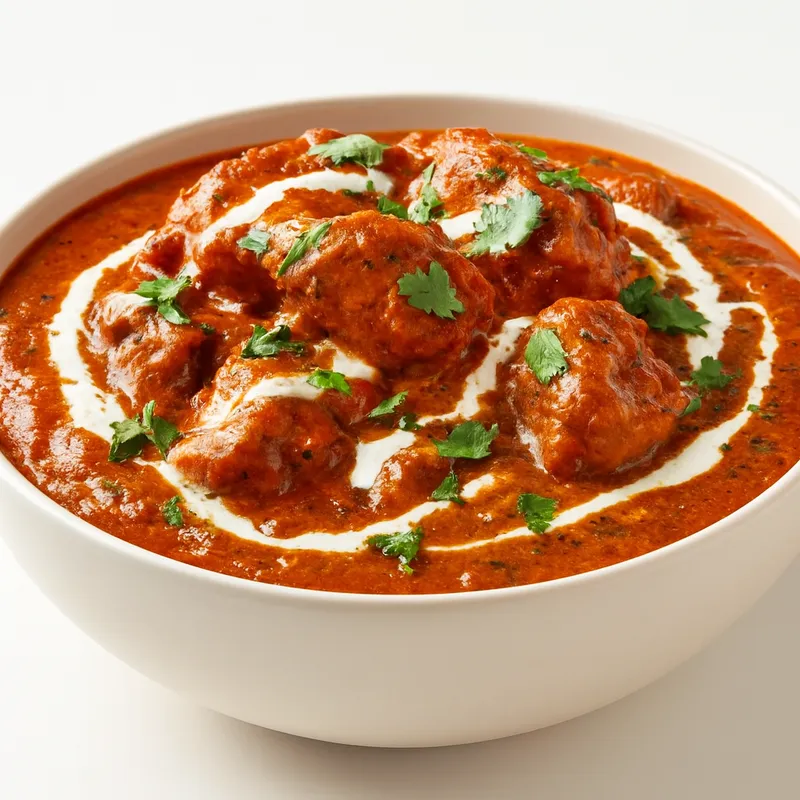
Tandoor cylindrical clay ovens excavated at Indus Valley sites (Mohenjo-daro, Harappa) c. 2500 BCE represent the earliest confirmed lineage. The Mughal court adopted and refined tandoori cooking 16th-17th centuries; Kundan Lal Gujral's Moti Mahal restaurant in Peshawar (1920s) then Delhi (post-1947) commercialized butter chicken and tandoori chicken. Madhur Jaffrey, Camellia Panjabi, and Vivek Singh carry the modern canon.
Related cooking knowledge
Grilling is the open-flame parent — tandoor encloses the same radiant heat for omni-directional cook. Dum Cooking is the sister Mughal-era technology with steam instead of radiation. Karahi handles the pan-fried curries that often accompany tandoori meats. Baking shares the enclosed dry-heat principle at much lower temperatures.