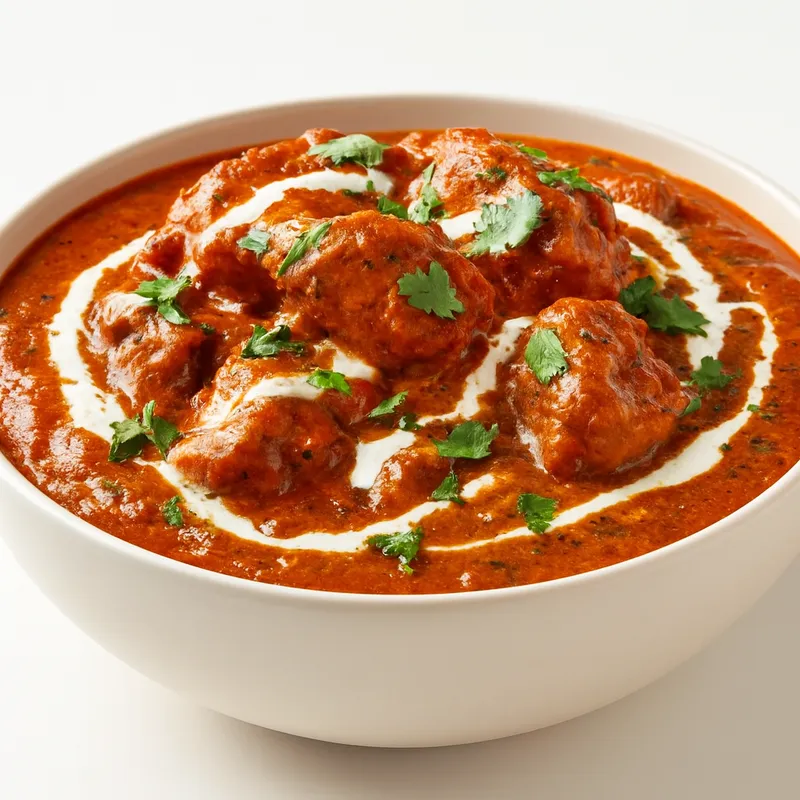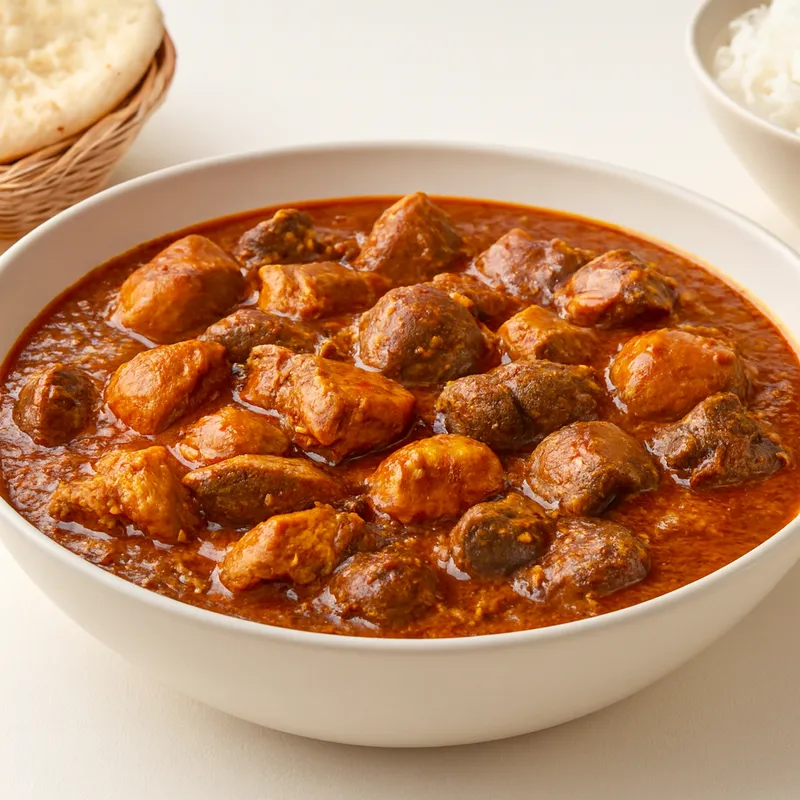



Also a Moti Mahal creation from late-1940s Delhi by Kundan Lal Gujral, conceived as a vegetarian companion to butter chicken — same butter-cream-tomato base, same Punjabi refugee kitchen logic. Black urad had been cooked across Punjab for centuries as kali dal, but the makhani treatment (long simmer, heavy dairy) was a 20th-century restaurant move designed for the Delhi tandoor scene.
A creamy, indulgent embrace of black lentils that warms the soul and fills the belly. The slow-cooked magic is where the flavor truly lives.
Whole black urad lentils in a dark, glossy gravy that's been cooked so long the lentils have started to break down on their own — half the dish is intact beans, half is creamy emulsion. Tastes of butter, smoked-tomato depth, and a quiet hum of garam masala. Cream swirled on top, never mixed. Served with naan or roti. If it tastes thin or beany, it hasn't had its hours.
The dish is defined by simmer time, not ingredients — restaurants run it 12–24 hours over very low heat, often overnight on a dum (sealed pot). Long heat hydrolyzes the urad's starches into the gravy, which is what gives the makhani its body without flour or excessive cream. Home versions cooked in 90 minutes taste like buttery lentils; they're not wrong, just not dal makhani.
Variations
Dal bukhara (ITC Maurya, more cream-heavy); Punjabi village dal makhani (rustic, less cream); modern restaurant version is over-buttered for Western palates.
On the Palate
Where Dal Makhani sits in the Indian flavor cloud
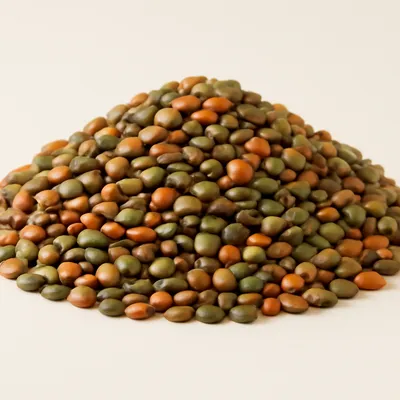
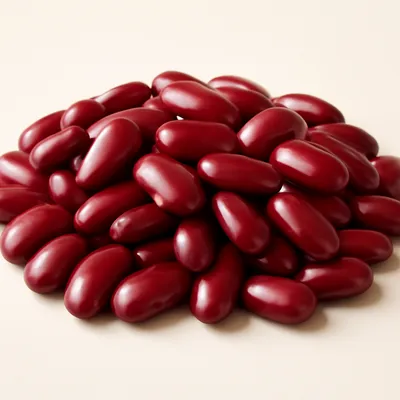
Ingredients

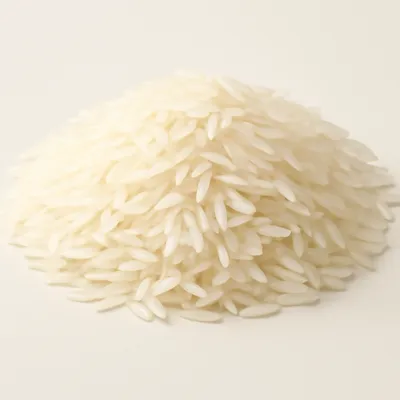
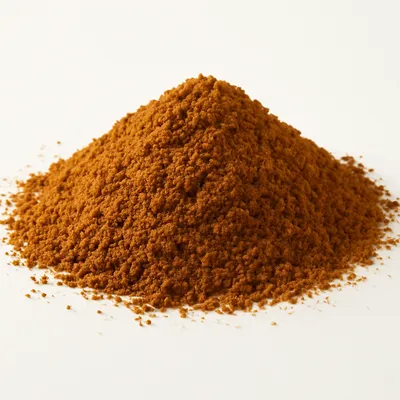



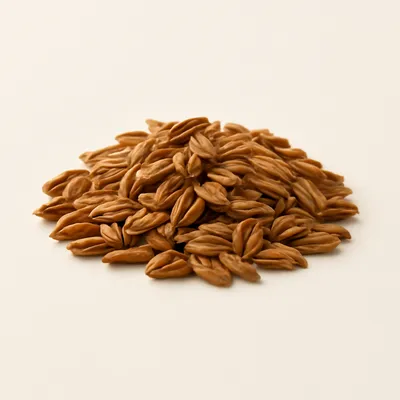
How it's made
5 steps · 1 hour 15 min active + 8 hours waiting
- 15 min
Soak urad dal overnight in plenty of water. Drain and rinse before cooking.
- 230 min
Boil the soaked dal in a large pot of water until tender, about 30 minutes. The dal should be soft but not mushy.
Watch outThe boiled dal should be soft enough to smear between two fingers but still hold its shape — mushy now means no texture left after the long simmer.
- 310 min
In a separate pan, heat ghee over medium heat. Add chopped onions and sauté until golden brown, then add ginger-garlic paste and cook until the raw aroma dissipates.
Watch outEnsure the heat is not too high to prevent burning the onions.
- 410 min
Stir in tomato puree, Kashmiri chili powder, and garam masala. Cook until the oil separates from the masala, about 10 minutes.
Watch outCook the masala until the ghee splits out and beads red at the edges of the pan — that visible oil is the cue the base is done.
- 520 min
Combine the cooked dal with the masala. Simmer on low heat, occasionally mashing some of the lentils to achieve a creamy texture, about 20 minutes. Add kasuri methi and butter towards the end.
Watch outAs it simmers, mash a ladleful of the lentils against the side of the pot; the gravy should turn glossy and thick enough to coat a spoon.
Archive tool suggestions — not reviewed
These legacy suggestions have not been evidence-reviewed and are not presented as required tools.

A vertical clay cylinder, 1-1.5 m tall, fired by a charcoal or wood pit at the bottom — the inner walls reach 480°C. Naan dough is slapped against the side and pulls free in 60 seconds, blistered and chewy; chicken on long iron skewers cooks dangling over the embers. Restaurant tandoors are gas-or-electric clones, but the original clay cylinder gives bread an aroma the modern versions can't quite replicate.
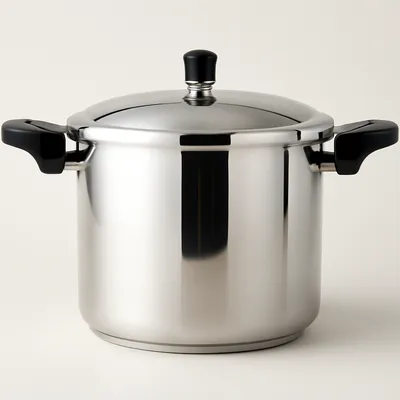
A sealed pot that lifts the boiling point of water from 100°C to ~120°C by trapping steam at 1 bar above ambient pressure. Tough cuts (oxtail, beef shank, dried beans) cook in 30 minutes instead of 4 hours; the higher heat denatures collagen faster than a long simmer. Modern electric versions (Instant Pot) automate the pressure cycle; old stovetop ones (Presto, Kuhn Rikon) hiss alarmingly but cost a fraction.