Fenugreek
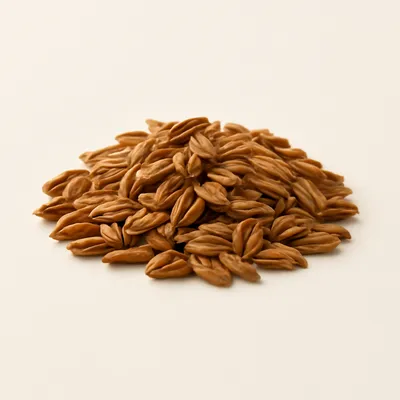
Aromatic seeds with a slightly bitter, nutty taste; fenugreek introduces depth and warmth to dishes. Prominent in Indian and Middle Eastern cuisines, it lends a unique flavor to curries and blends.
Where it comes from
Fenugreek has been cultivated for thousands of years, often associated with traditional medicine and culinary practices in Egypt and India.
In the kitchen
Fenugreek seeds are toasted to enhance their flavor and are used in spice blends or as a seasoning, contributing a complex, savory note.
Across cuisines
In Indian cuisine, fenugreek leaves (kasuri methi) and seeds are often used. The seeds are typically dry roasted and ground into spice blends or pastes, contributing a bitter, nutty flavor to dishes. Kasuri methi is used as a garnish or incorporated into doughs and curries for its aromatic quality. The combination of both forms is common in complex dishes like Butter Chicken.
Sri Lankan cuisine uses fenugreek seeds generously, often adding them whole to curries and stews. They are typically fried in oil at the start of cooking to release their aroma and bitterness, which balances the richness of coconut milk-based dishes. This technique is evident in Sri Lankan Crab Curry, where fenugreek seeds are a key component of the spice base.
Fenugreek seed (methi dana) is the faintly-bitter Nepali tempering spice — a teaspoon of seeds dropped into hot ghee until they turn deep amber (any darker and they go acrid), then the dal or tarkari sauce is built on top. Fenugreek's gentle bitter-sweet edge is what makes the Nepali tempering taste recognizably different from the Indian one.
Nutrition (per 100g)
AI-estimated; model and run unavailable.
Pairs well with