

Ethiopian
One injera, many stews. Eating here is a shared act.
Injera
Injera, a sourdough flatbread made from teff flour, is the foundation of Ethiopian meals, used as both plate and utensil.
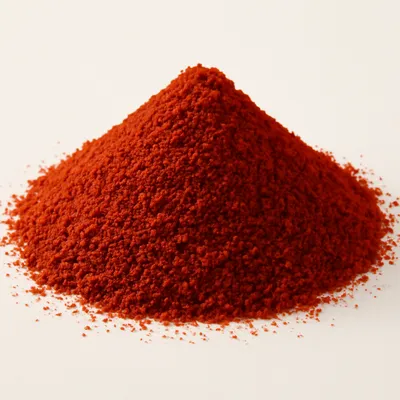
View page →Ethiopian food is eaten with the hands off a shared platter, and the base of every meal is injera — a large, soft, slightly sour flatbread made from fermented teff flour, which doubles as both plate and utensil. Stews called wat are spooned straight onto it, and you tear off pieces of injera to scoop them up. The flavor backbone is berbere, a deep-red spice blend built on chili, and niter kibbeh, butter clarified with garlic, ginger, and spices. The most famous dishes are doro wat, a long-simmered chicken stew in berbere with a hard-boiled egg, and misir wat, spiced red lentils. Because the Orthodox calendar has many fasting days, there is a strong tradition of vegan cooking — beyaynetu is a platter of several lentil and vegetable stews — and meals usually finish with a coffee ceremony, the beans roasted, ground, and brewed on the spot.
The Palate
What makes it taste like itself
Dishes to explore
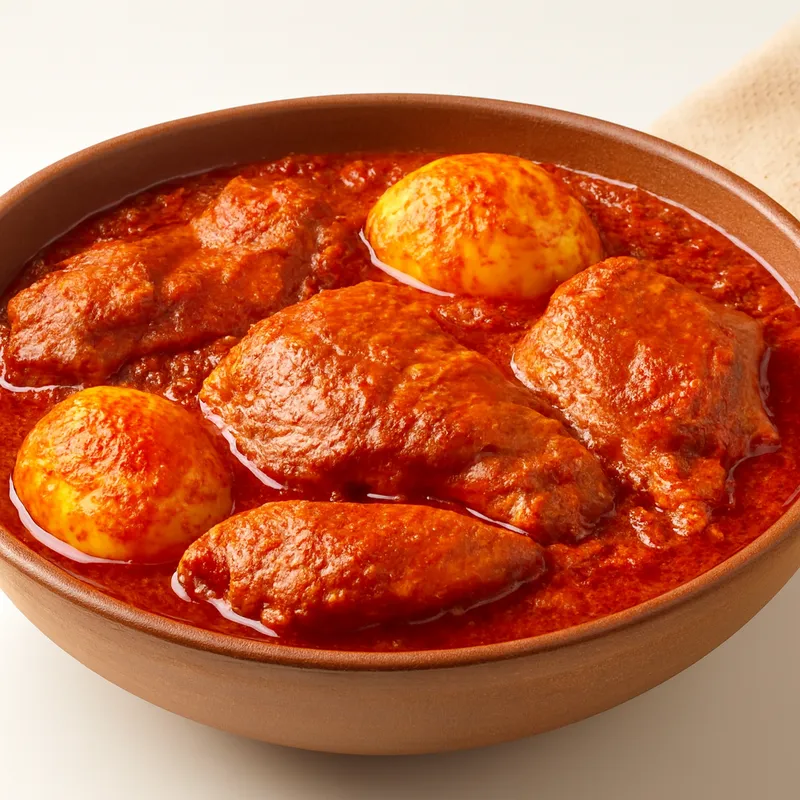
Doro Wat
Doro Wat is the quintessential Ethiopian stew, a rich and spicy chicken dish simmered with berbere spice and hard-boiled eggs.
This dish exemplifies the deep, complex flavors that Ethiopian spices can achieve.
Injera with Wat
Injera with Wat captures the essence of Ethiopian communal dining, where injera serves as both a plate and a utensil for scooping up the flavorful stews.
This combination is the heart of Ethiopian culinary culture, showcasing its unique dining style and flavors.
Kitfo
Kitfo is a dish of minced raw beef marinated in spicy mitmita and niter kibbeh, often enjoyed during special occasions.
Kitfo offers a taste of Ethiopian delicacies that celebrate the raw and the spiced.
Shiro
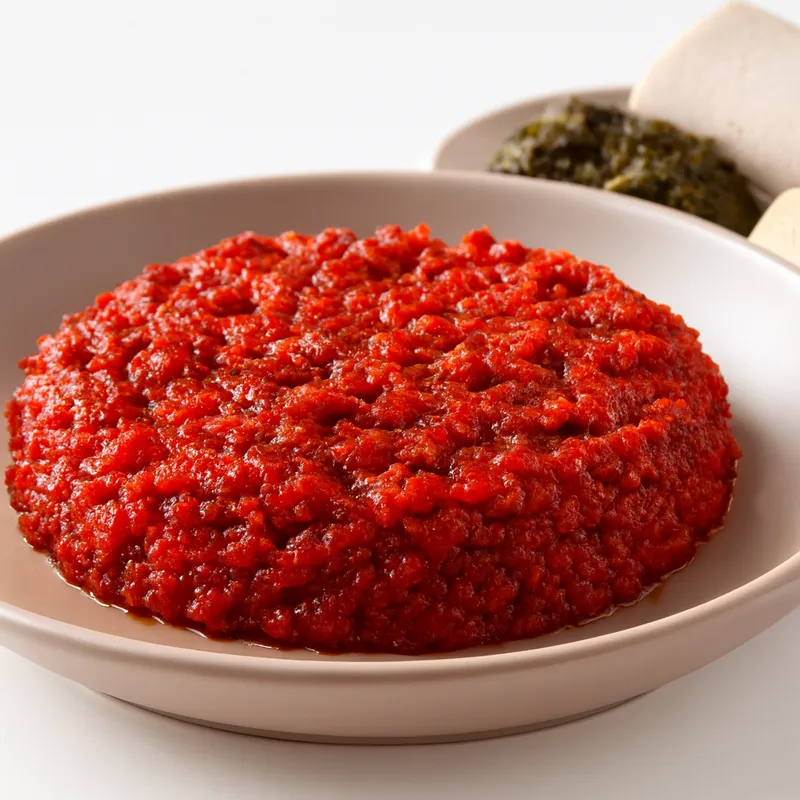
Shiro is a chickpea-based stew flavored with berbere, a hearty vegetarian option that's deeply satisfying.
Shiro is perfect for those who want to experience the depth of Ethiopian spices in a vegetarian dish.
Cooking options
Food choices favor cuisine selections and manageable preparation; check each recipe before cooking.

The Pantry






See all 115 ingredients›










Herbs & Spices






Dairy & Fats







Sauces & Condiments







Four Regions
Four kitchens — Amhara Doro-Wat-and-injera canon, Tigray barley highlands, Oromo largest-ethnic pastoralist, Gurage kitfo-and-ensete heart. Tap a region to see its table.
Central-highland canon — Doro Wat berbere chicken stew, injera teff flatbread, the Wat-and-Tibs national table built on berbere chili and niter kibbeh spiced butter.
Central-south largest-ethnic kitchen — anchote root-tuber stew, itto pastoralist mutton stew, the dairy-and-butter tradition of the Oromo plains.
South-central Kitfo and ensete heart — kitfo raw-minced-beef birthplace, kocho fermented-false-banana bread, chechebsa scrambled-flatbread breakfast.
Northern highland leaner cuisine — tihlo barley dumplings, hilbet split-pea paste, the drier-climate kitchen of the highland north.
How They Cook
Methods linked to dishes in this catalog
Fermentation
Fermentation is crucial for injera, providing its distinctive sour flavor and soft texture.
See 11 more techniques›
Sauteing in Ethiopian cooking involves quickly cooking vegetables and meats with a mix of spices to enhance flavor.
Simmering is used to develop deep flavors in Ethiopian stews where spices and ingredients slowly infuse.
Kneading is an essential step in preparing dough for traditional breads like injera.
Braising is central to Ethiopian stews, allowing the slow melding of spices and ingredients in dishes like doro wat.
Deep frying is typically used in Ethiopian cuisine to give a crunchy texture to snacks like sambusas.
In Ethiopian cuisine, baking is primarily used for creating the spongy, tangy injera that forms the base of many meals.
Related cuisines
Linked by ingredient records in this catalog