

A specialty of the Gurage people of central-southern Ethiopia, traditionally served at weddings, holidays, and Meskel (the Finding of the True Cross festival, held on a fixed day of the Ethiopian calendar that falls on roughly September 27). Kitfo is high-status food — beef is expensive in rural Ethiopia, and serving it raw both shows off the freshness of the slaughter and feeds more people from less meat than a roast would.
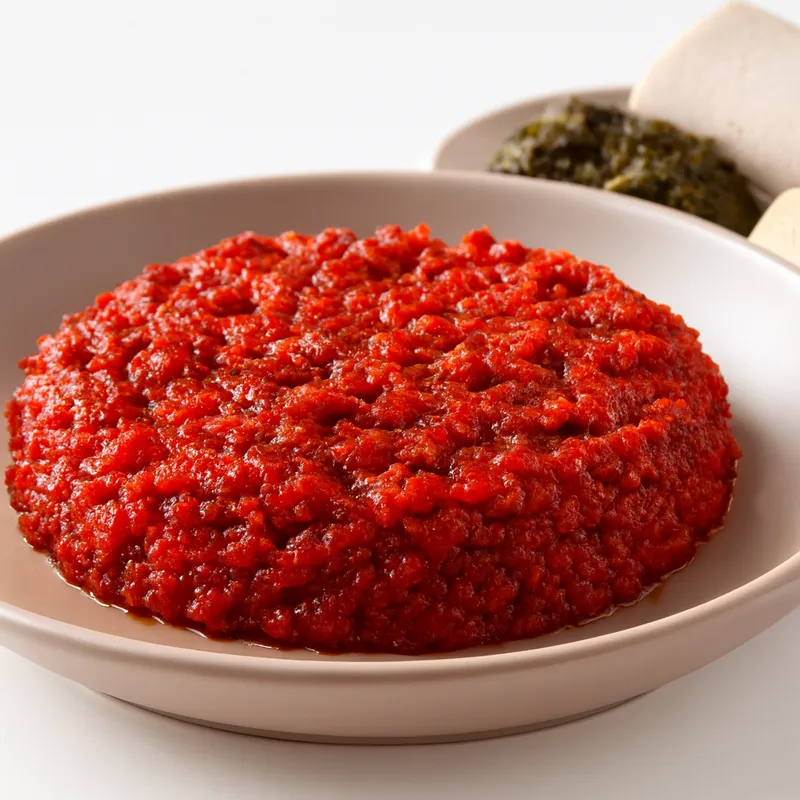
Gurage festival meat, traditionally served at Meskel in late September. The beef is hand-chopped — never ground — and warmed in niter kibbeh just enough to bloom mitmita without cooking the protein.
Raw beef, finely minced (not ground — chopped with a knife to keep texture), warmed slightly with mitmita chili powder and niter kibbeh until the butter just melts into it. Served with ayib (a fresh, cottage-like cheese), gomen (collards), and sometimes kocho flatbread. Three doneness grades: leb leb (raw, just warmed), leb (lightly seared), or fully cooked. Locals order leb leb.
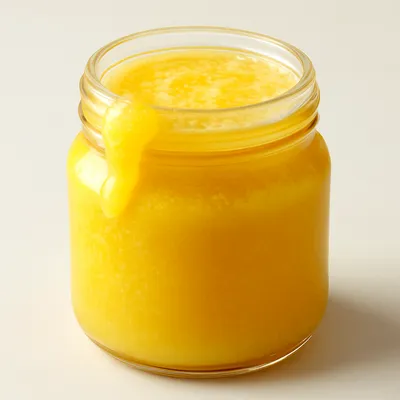
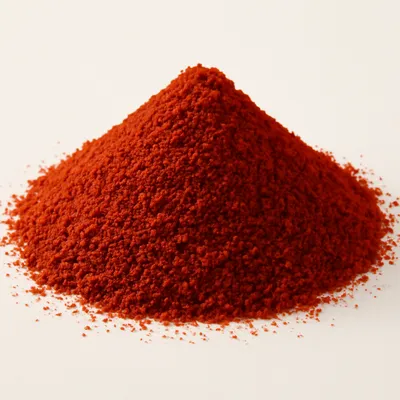
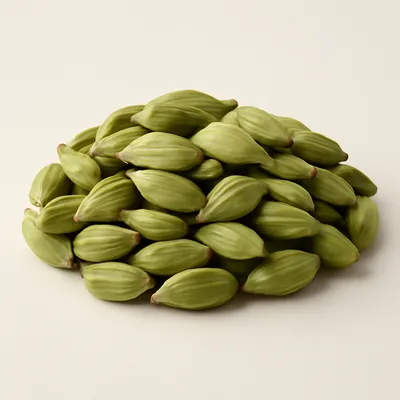
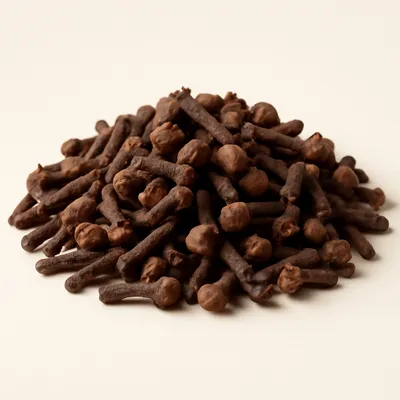
Niter kibbeh — clarified butter infused with korerima (Ethiopian cardamom), ajwain, fenugreek, garlic, ginger — does the heavy lifting; mitmita (a hotter, bird's-eye-chili, cardamom and clove powder than berbere) provides the burn. The butter has to be warm enough to bloom the spice but cool enough not to cook the meat. The beef is slaughtered hours before service in the same building or village, which keeps it very fresh — but fresh slaughter only lowers the risk of pathogens like salmonella and tapeworm rather than eliminating it; eating it raw is a risk locals knowingly accept.
Variations
Three doneness grades: leb leb (raw, just warmed — locals' choice); leb (lightly seared); fully cooked for the squeamish; the Gurage homeland version is plated with kocho flatbread instead of injera.
On the Palate
Where Kitfo sits in the Ethiopian flavor cloud
Warm the niter kibbeh only to blood-warm before it hits the beef — hot enough to bloom the spice, cool enough that it seasons the raw meat without cooking it into grey mince.
Ingredients





How it's made
5 steps · 20 min
- 110 min
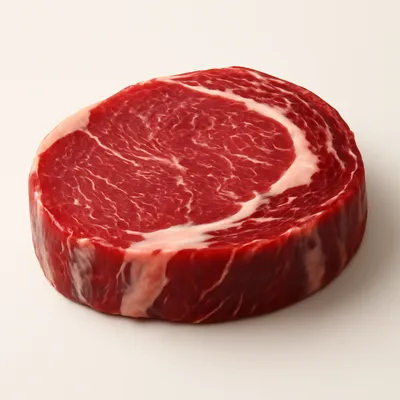
Begin by finely chopping the beef until it reaches a smooth, minced consistency. The texture should be even and fine, resembling a paste.
Watch outChop until it's an even, fine paste with no stringy bits — the mouthfeel lives or dies here.
- 23 min
In a small pan, melt the ghee over low heat until it is fully liquid and aromatic. Stir in the berbere, cardamom, and clove, gently warming them to release their flavors without burning.
Watch outMelt and warm the ghee only until it's liquid and smells fragrant; if it browns or smokes it's too hot for the meat.
- 32 min
Pour the spiced ghee over the minced beef, mixing thoroughly to ensure every morsel is coated with the fragrant butter and spices.
Watch outThe finished mix should look glossy and red-brown and still raw; the butter should coat every strand, not pool at the bottom.
- 43 min
For kitfo leb leb, lightly warm the mixture over low heat, stirring constantly until just warmed through, about 3 minutes. The beef should remain rare and tender.
Watch outAvoid overcooking the beef; it should be warmed, not cooked through.
- 52 min
Serve the kitfo immediately, accompanied by injera or kocho, and optionally garnished with ayibe or gomen.
Archive tool suggestions — not reviewed
These legacy suggestions have not been evidence-reviewed and are not presented as required tools.