A creamy milk pudding topped with rose syrup and nuts.




An ancient Arab milk pudding (muhallabieh) recorded by Persian physician Ibn Sina around 1000 CE as a convalescent food for the caliph; the name traces to a Persian general, al-Muhallab. Adopted across the Levant, it became Israeli street food after Mizrahi Jews from Iraq, Syria and Egypt brought it home in the 1950s. Tel Aviv's Carmel Market vendors set the modern format: small cup, syrup poured over.
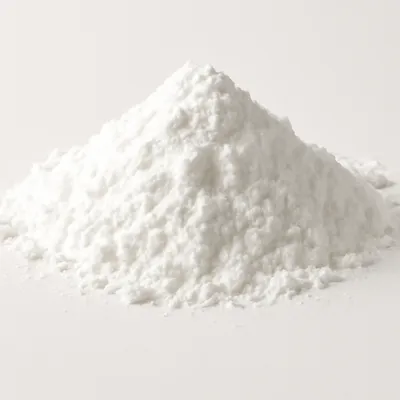
From Persian muhallabieh, recorded by Ibn Sina around 1000 CE as convalescent food; carried to Israel by Mizrahi Jews from Iraq, Syria, Egypt in the 1950s, format-set by Tel Aviv's Carmel Market vendors. Cornstarch sets at 92°C, gelatin at 35°C — Levantine palate readers reject the gelatin version as wrong texture.
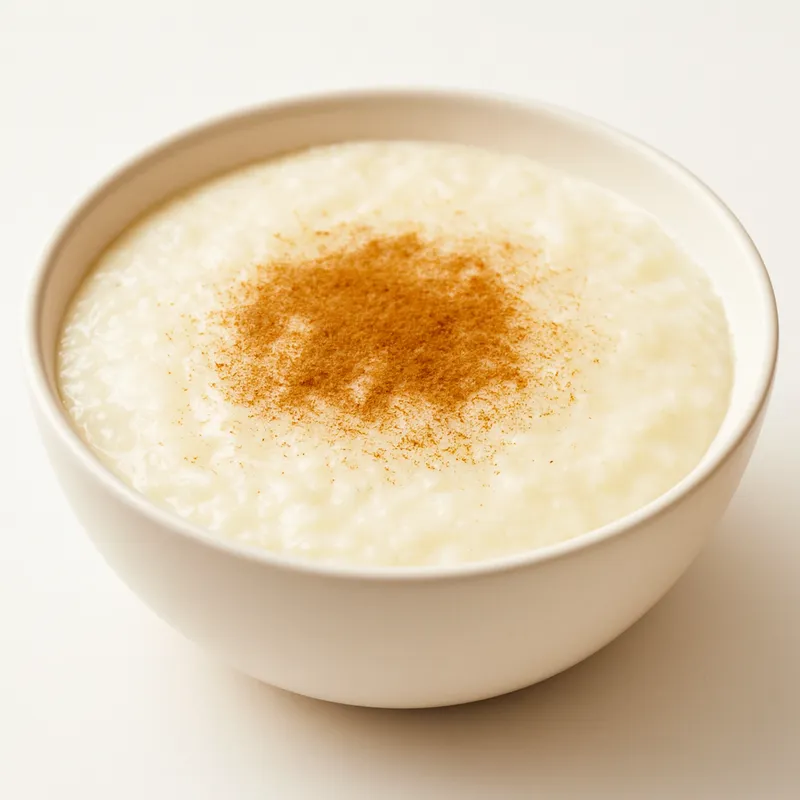
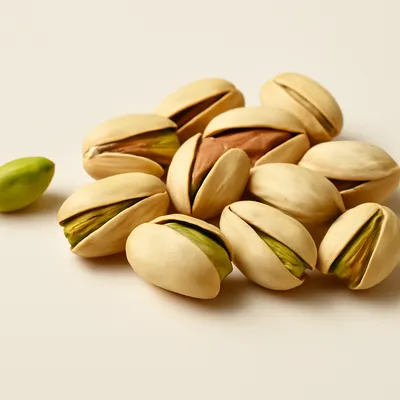
A loose milk pudding, pale and quivering, set with cornstarch (not gelatin) so it holds shape but breaks under a spoon. Glassed up, then topped with rose-water syrup that pools red on the white, plus crushed pistachio and shredded coconut. Served cold from street stalls in plastic cups in Tel Aviv and Jerusalem; the syrup must hit at the table or the pudding turns pink throughout.
Cornstarch sets at 92 °C, gelatin at 35 °C — the choice matters. Cornstarch malabi falls apart in the mouth at body temperature; gelatin malabi springs back like jelly, which Levantine palate readers reject as wrong texture. Rosewater is added off the heat: the rose's geraniol and citronellol boil off above 80 °C, so cooking it in flattens the floral note that's the whole point.
Variations
Tel Aviv street style (cornstarch, rosewater syrup, pistachio and coconut); Jerusalem Old City vendors run thicker, with date syrup; Egyptian mahalabia is more set, served in a bowl not a cup; Lebanese mouhalabieh adds orange-blossom water; modern Israeli chefs (Eyal Shani) plate it dessert-restaurant style with raspberry coulis.
On the Palate
Where Malabi sits in the Israeli flavor cloud
Ingredients


How it's made
4 steps · 20 min active + 1 hour waiting
- 15 min
In a saucepan, combine milk and sugar, stirring over medium heat until the sugar dissolves completely. The mixture should be smooth and slightly sweet.
Watch outEnsure the heat is not too high to prevent the milk from scorching.
- 23 min
In a separate bowl, mix cornstarch with a small amount of cold milk to create a slurry. Slowly add this to the saucepan, stirring continuously to prevent lumps.
Watch outStir constantly while adding the cornstarch slurry to avoid lumps.
- 38 min
Continue to cook the mixture, stirring frequently, until it thickens to a custard-like consistency. The mixture should coat the back of a spoon.
Watch outDo not stop stirring, as the mixture can stick to the bottom and burn.
- 44 min
Pour the thickened mixture into serving dishes and allow it to cool. Once cooled, drizzle with rose syrup and sprinkle with nuts for a fragrant, nutty finish.
Archive tool suggestions — not reviewed
These legacy suggestions have not been evidence-reviewed and are not presented as required tools.