


Quinoa was domesticated 3,000–5,000 years ago in the Lake Titicaca basin (modern Peru-Bolivia border) and was a staple of Inca religious cooking — Spanish colonists in the 16th century banned its cultivation as an Indigenous practice, and the crop nearly disappeared. The pudding form is colonial, a Spanish arroz con leche template applied to native grain. Quinoa rebounded after a UN designation in 2013 made it a global health food.
Quinoa was domesticated 3,000-5,000 years ago around Lake Titicaca and banned by Spanish colonists in the 16th century as an Indigenous practice. The pudding is a colonial graft — Spanish arroz con leche template on a native grain. Rinse the saponin off three times or it tastes like soap.
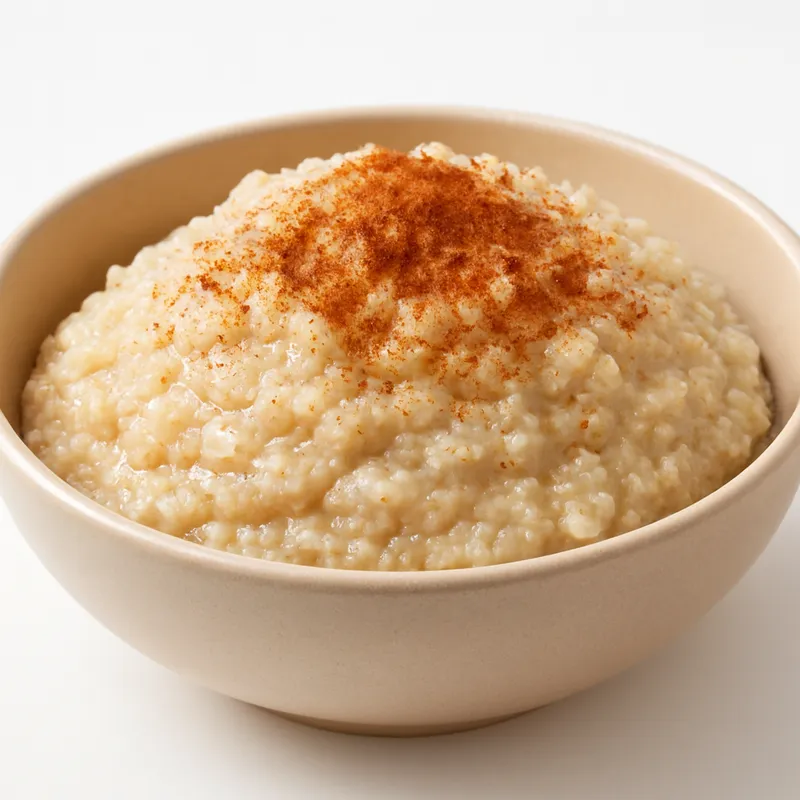
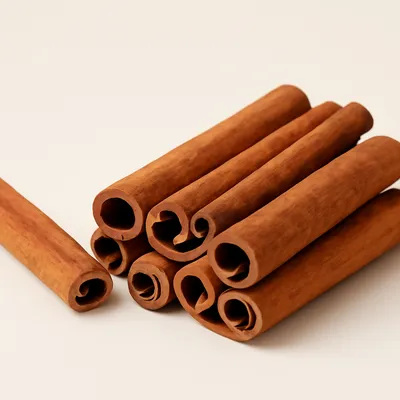
Cooked quinoa simmered in milk with sugar and a cinnamon stick until the grains burst their little white spirals and the liquid thickens to porridge consistency. Served warm in a small bowl with cinnamon dusted on top, sometimes raisins or a splash of pisco. The texture is somewhere between rice pudding and oatmeal — chewier than the first, tighter than the second.
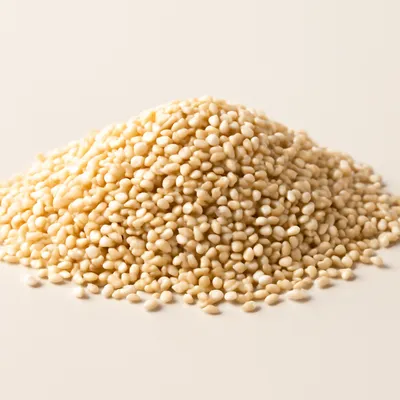
Quinoa's bitter saponin coating must be rinsed off before cooking — three rinses minimum, until the water runs clear. Skipping this turns the pudding soapy. The grain releases starch much more slowly than rice, so the milk needs to reduce alongside it; 30 minutes of low simmer is the floor. Quinoa stays al dente even when fully cooked — the little spiral is the germ uncoiling, and that texture is the dish's distinguishing tell.
Variations
Mazamorra de quinua (looser, more soup than pudding); quinua atamalada (with cheese, savory); Bolivian api de quinoa is purple-corn-tinted; Ecuadorian colada with pineapple juice; chef Virgilio Martínez's Central plates a deconstructed version with native sweet potato.
On the Palate
Where Quinoa Pudding sits in the Peruvian flavor cloud
Rinse the quinoa until the water runs clear before it ever hits the pot — the grain's natural saponin coating tastes soapy and bitter, and no amount of milk or syrup later can cover it.
Ingredients

How it's made
5 steps · 25 min active + 5 min waiting
- 12 min
Rinse 1 cup of quinoa under cold water in a fine-mesh colander for 15 seconds to remove any bitterness. Let it drain completely before transferring it to a medium-sized pot.
Watch outKeep rinsing until the runoff is clear, not cloudy — cloudy water means saponin is still on the grain.
- 220 min
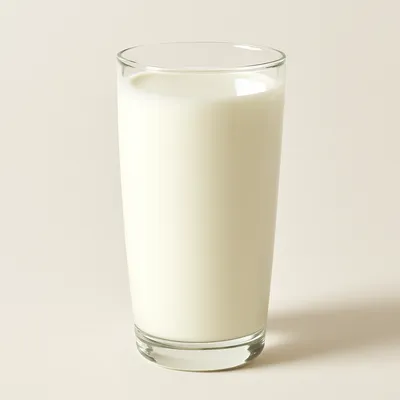
Pour 4 cups of milk into the pot with the quinoa. Bring the mixture to a gentle simmer over medium heat, stirring every few minutes. Continue cooking until the quinoa is soft and the milk is mostly absorbed, about 20-25 minutes.
Watch outHold a lazy simmer with small bubbles and stir often so the milk thickens without scorching on the bottom.
- 32 min
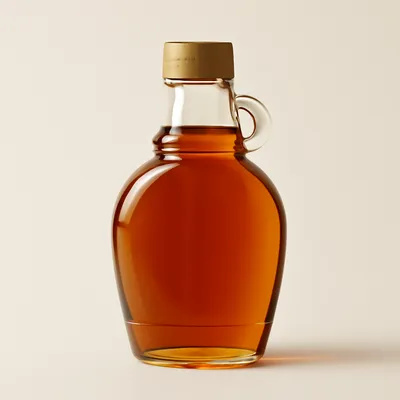
Once the quinoa is cooked, stir in 1/4 cup of maple syrup, 1/2 teaspoon of vanilla extract, 1/2 teaspoon of cinnamon, and a pinch of salt. Mix well to combine the flavors evenly.
- 40 min
Turn off the heat, cover the pot, and let the pudding sit for at least 5 minutes to allow the flavors to meld together. This resting period also helps the pudding thicken slightly.
Watch outOff the heat and covered, the pudding drinks in the last of the milk and thickens as it rests.
- 51 min
Serve the quinoa pudding warm, or chill it in the refrigerator if you prefer it cold. Top with fresh berries or diced fruit for added texture and flavor, if desired.
Archive tool suggestions — not reviewed
These legacy suggestions have not been evidence-reviewed and are not presented as required tools.