


Born on Hawaiʻi's sugar plantations in the late 1800s and early 1900s, where Chinese, Japanese, Filipino, Korean, and Portuguese workers shared one camp kitchen — Cantonese noodles, Japanese dashi, Filipino pancit garnishes, all converging in one bowl. By the 1930s it was a daily staple for plantation laborers, and saimin stands had sprung up to serve them. The name likely comes from Cantonese 細麵 (sai mihn, "thin noodle"), first recorded in romanized form in Hawaiʻi around 1908. It belongs to no single country — a dish that is strictly, and only, Hawaiian.
Created in early-1900s plantation kitchens by Chinese, Japanese, Filipino, and Korean workers eating together — name from Cantonese 細麵 (sai mihn). The dried-shrimp dashi is the Cantonese fingerprint; pure pork broth makes it ramen, not saimin.
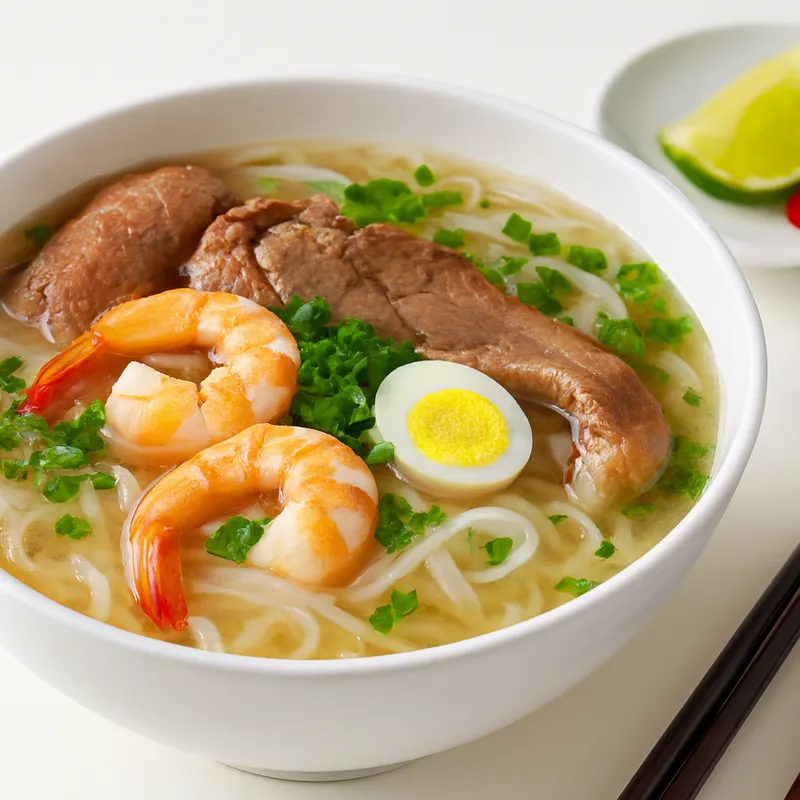
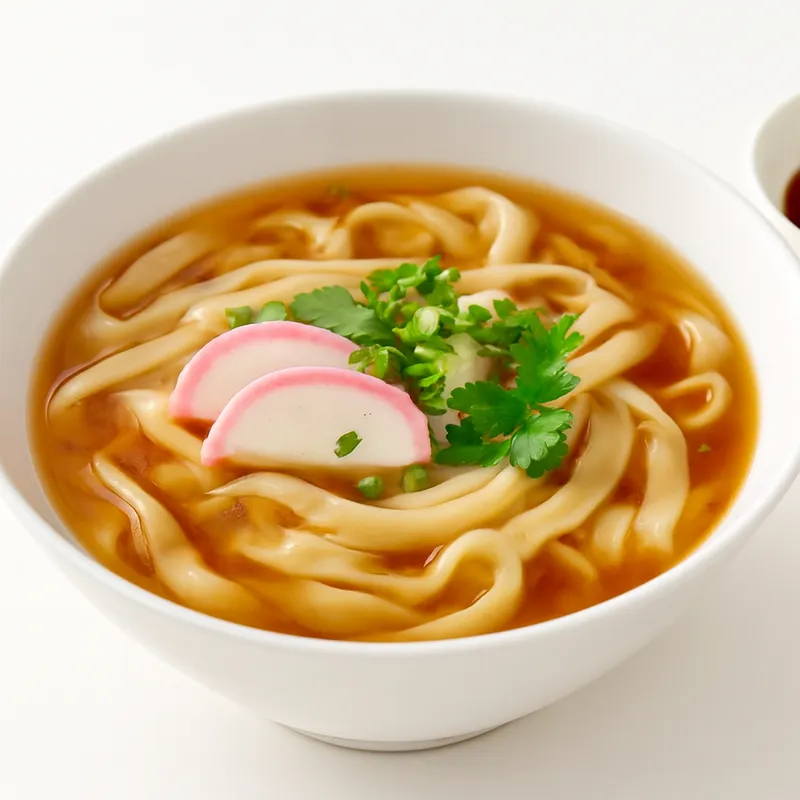
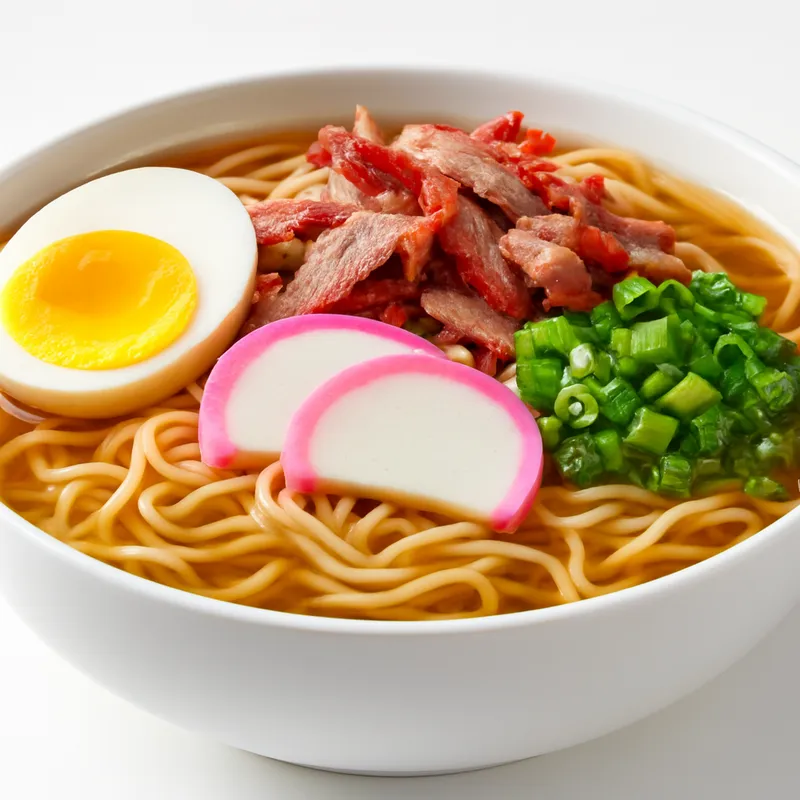
Soft, wavy egg-wheat noodles in a clear, light dashi broth, topped with sliced char siu, kamaboko (pink-and-white fish cake), green onion, and often a strip of Spam or a soft egg. Served scalding in a wide bowl with chopsticks and a flat-bottomed soup spoon. The broth reads of dried shrimp and kombu first, with only a faint backnote of meat — that delicate seafood-sweet clarity is the tell that sets it apart from a heavy pork ramen.
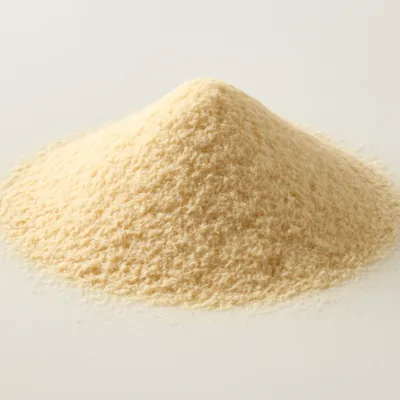
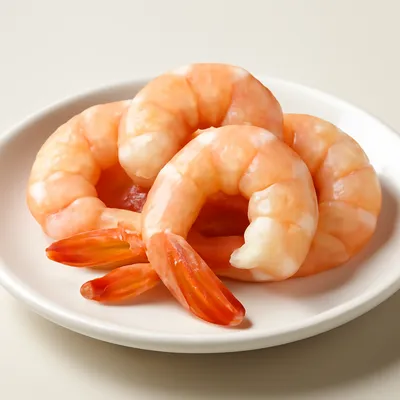
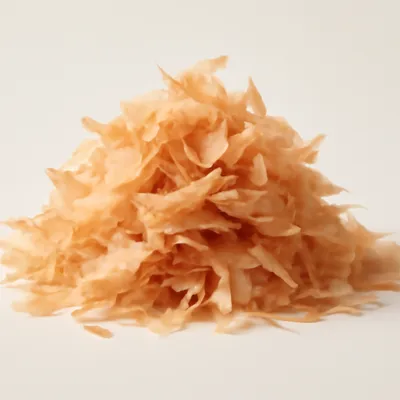
The broth is the giveaway: rather than the rich pork bones of ramen, saimin leans on kombu and ebi (dried shrimp) for a clear, light, savory base — said to trace to plantation cooks who reached for dried shrimp when bonito wasn't on hand, a substitution that set the flavor for good. The noodles are a high-egg, high-flour wavy dough, softer and less curly than ramen's; they drink up the broth without going to mush in the bowl. Toppings are whatever's at hand — sliced char siu, pink-and-white kamaboko, green onion, sometimes Spam, a soft egg, or a scatter of nori.
Variations
Zippy's saimin (chain default, mild, many locals' first taste); Hamura's Saimin Stand on Kauaʻi (opened 1952, a celebrated old-school specialist, a James Beard "America's Classics" honoree); Sam Sato's dry mein on Maui (no broth, sauce-tossed); 1950s plantation-camp homestyle uses whatever's in the icebox. It even ran on Hawaiʻi's McDonald's menus — added in the late 1960s as the chain's first region-specific dish, served with Spam, kamaboko, and nori, until the local supplier closed in 2022.
On the Palate
Where Saimin sits in the Hawaiian flavor cloud
Ingredients





How it's made
4 steps · 12 min
- 15 min
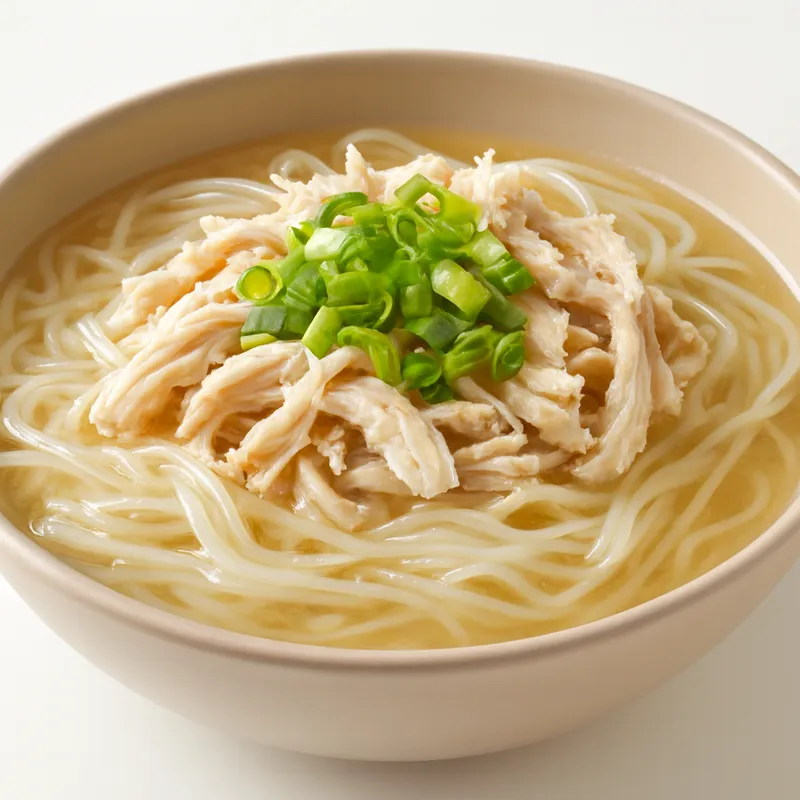
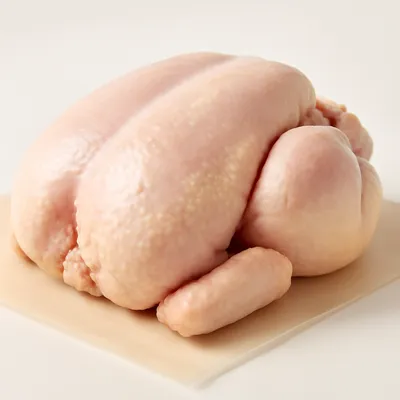
Bring a large pot of chicken stock to a gentle simmer over medium heat. Add a splash of soy sauce for depth and let the broth warm until it releases a savory aroma.
Watch outKeep the broth at a bare shiver, never a rolling boil — a hard boil clouds the clear kombu-and-shrimp base that saimin lives on.
- 23 min
While the broth heats, cook the noodles in a separate pot of boiling water until tender but still firm to the bite, about 3 minutes. Drain and rinse under cold water to stop the cooking process.
Watch outPull the noodles while they still snap back to the bite, about 3 minutes — they keep drinking broth in the bowl and go soft on their own.
- 32 min
In a large bowl, arrange the cooked noodles. Ladle the hot broth over the noodles, ensuring they are fully submerged and warmed through.
Watch outLadle enough hot broth to fully cover the noodles so they warm through evenly — noodles poking out go dry and cold.
- 42 min
Garnish the soup with slices of kamaboko, char siu pork, and green onions. Top with a soft boiled egg, cut in half, for added richness.
Archive tool suggestions — not reviewed
These legacy suggestions have not been evidence-reviewed and are not presented as required tools.