

Tied to Kyoto's temple cuisine (shojin ryori), particularly the Nanzen-ji area in the Higashiyama district, where tofu shops have served pilgrims since at least the Edo period (17th–19th century). Kyoto's soft groundwater is the practical reason — it produces a smoother, less bitter tofu than hard-water regions. Yudofu was monk food: protein without meat, warmth without indulgence.
Nanzen-ji's tofu shops have fed Higashiyama pilgrims since the Edo period — Kyoto's soft groundwater is the practical reason, it makes a smoother kinugoshi than hard-water regions. Hold the water at 70–80°C; past 90°C glycinin contracts and the block honeycombs.
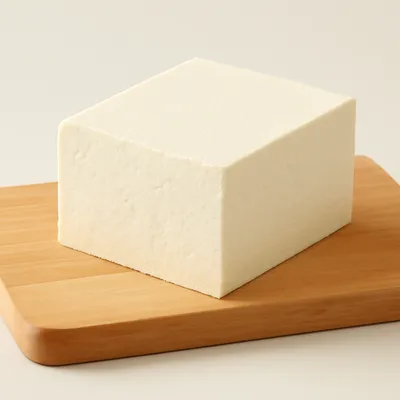
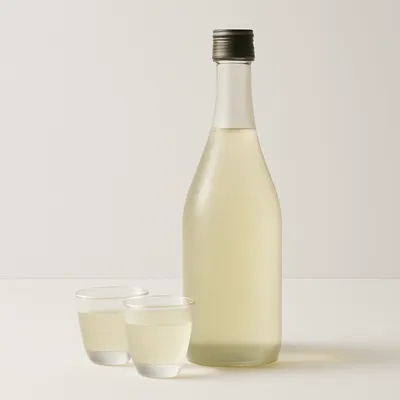
Blocks of silken or kinugoshi tofu held in a clear kombu broth in a clay donabe at the table, the pot just barely trembling. You ladle a block into a small bowl with grated ginger, scallion, ponzu or a soy-dashi dipping sauce. The taste is almost nothing — that's the point. Kyoto winter food, eaten with a sake cup nearby. Overboil and the tofu honeycombs and turns rubbery.
The kombu is just for amino-acid background — no bonito, no salt. Tofu sits in 70–80°C water, never a rolling boil. Above 90°C the soy proteins (glycinin and beta-conglycinin) contract and squeeze out water, leaving the spongy texture. A common trick is a strip of kombu on the pot bottom doubling as a buffer so the tofu doesn't touch hot clay directly.
Variations
Nanzen-ji-area shops like Okutan run the canonical kombu-only style; Saga prefecture's Ureshino yudofu uses alkaline spring water that dissolves the tofu edges into a milky soup; Hakata mizutaki crosses it with chicken broth; oboro-dofu is the curd-stage cousin served in the same pot.
On the Palate
Where Yudofu sits in the Japanese flavor cloud
Ingredients


How it's made
4 steps · 18 min
- 15 min
In a clay pot, place a piece of kombu and pour in enough water to cover it by an inch. Heat gently until small bubbles form, but do not let it boil.
Watch outHeat only until fine bubbles cling to the pot bottom and the surface barely quivers — if a full boil breaks, you've gone too hot; back the heat right off.
- 25 min
Cut the tofu into large cubes and add them to the pot. Simmer gently until the tofu is heated through and has absorbed some of the kombu's flavor.
Watch outSlip the tofu in gently and just warm it through — a wobble when you nudge the pot means it's silky and ready; leave it longer and it firms up.
- 33 min
Meanwhile, thinly slice the scallions and grate the ginger. Set them aside for garnish.
- 45 min
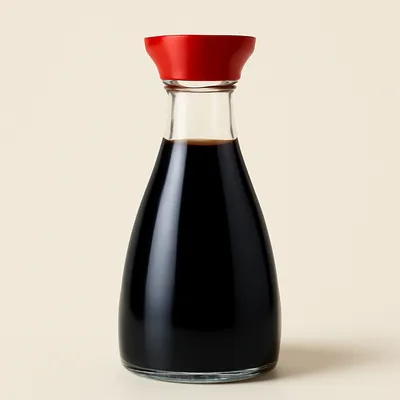
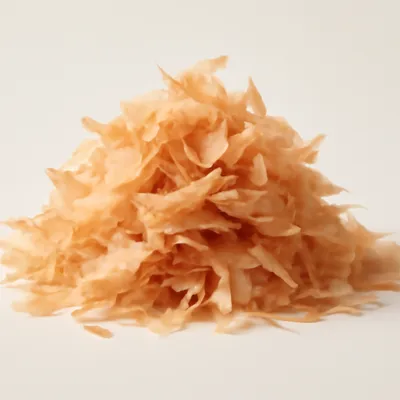
Once the tofu is ready, serve it in individual bowls with a ladle of the kombu broth. Top with scallions, ginger, and bonito flakes. Provide soy sauce on the side for seasoning.
Archive tool suggestions — not reviewed
These legacy suggestions have not been evidence-reviewed and are not presented as required tools.

Japanese earthenware pot, glazed inside and rough-clay outside, 20-30 cm across. Its high thermal mass means it heats slowly but holds steady — once at simmer, it stays there for 30+ minutes after the burner goes off. Donabe are the canonical vessel for nabe hot-pot, takikomi gohan (rice cooked with seasonings), and ojiya (rice porridge), where slow gentle heat is the whole point.

A round-bellied unglazed clay pot, 1.5-3 liters, with a domed lid and side handles, used for slow-cooking Chinese soups, claypot rice (煲仔饭), and stews. The clay's high porosity diffuses heat slowly so soups never come to a violent boil — flavor develops over 2-3 hours of low simmer. Cantonese claypot rice gets its prized crispy bottom (锅巴) from the same direct-flame stovetop heat that would crack a less robust pot.