
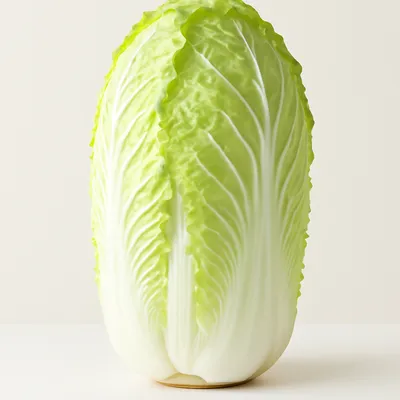
Created in 1952 at Suehiro restaurant in Osaka, where restaurateur Chuichi Miyake named and popularized the dish. The mutton-to-beef adaptation actually predates Suehiro: in 1946 folk-art figure Shoya Yoshida brought Beijing-style instant-boiled mutton (shuan yang rou) back to Japan and taught it to the Kyoto ryotei Junidanya, where scarce mutton was swapped for beef ('gyuniku no mizutaki'). The name imitates the swishing sound — said to come from the noise of staff rinsing hand towels in a basin, which evoked meat being swished in the pot. Earlier Japanese beef hot pots existed (gyu-nabe, sukiyaki), but the thin-slice quick-dip method is postwar Osaka, not ancient.
Suehiro restaurant in 1952 Osaka named it after the swish-swish sound of beef in the kombu-water pot. Goma-dare (sesame) and ponzu — that's the whole condiment universe.
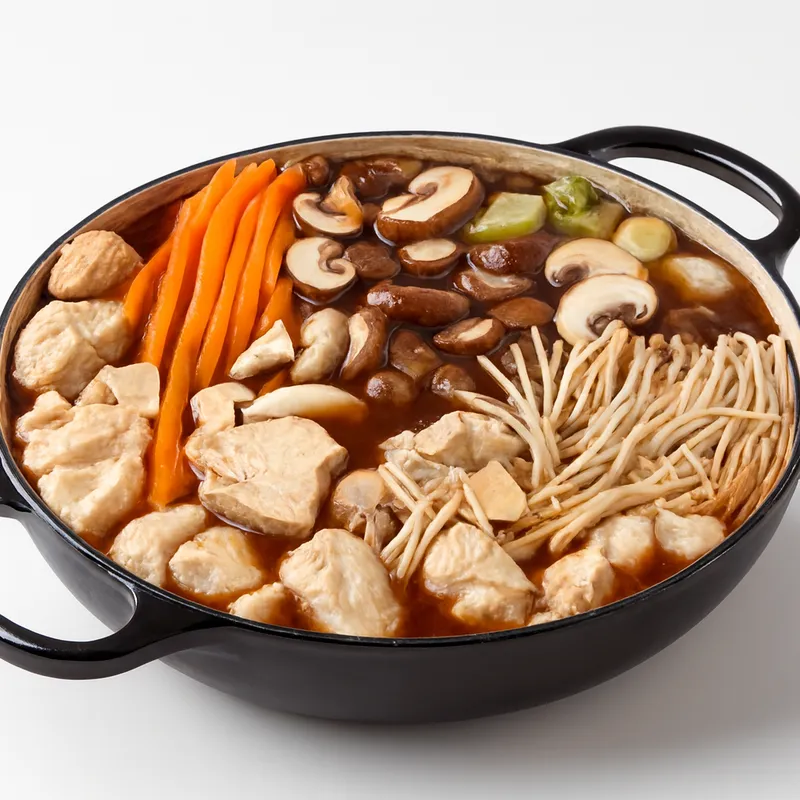
A pot of clear kombu dashi at a low simmer, never a rolling boil. You pinch a paper-thin slice of beef with chopsticks and swish it through the broth two or three times — the slice changes color in seconds. Dip in ponzu (citrus-soy) or goma-dare (sesame). Vegetables go in later to build the broth. End with udon or rice in the now-meaty stock.
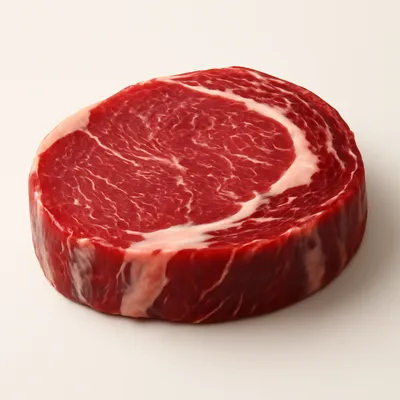
The broth is intentionally bland — kombu only, no katsuobushi — so the beef's own fat seasons the pot as the meal progresses. Slice thickness is non-negotiable: 1.0–1.5mm, achievable only with a frozen block on a deli slicer. Thicker slices stay raw inside or overcook outside; the brief swish needs paper thinness to land medium-rare in three seconds.
Variations
Beef shabu (the Osaka original); pork shabu (more common at home); buta-shabu rei-shabu (cold pork salad version, summer); kani-shabu (snow crab, Hokkaido winter); cha-shabu (the rare green-tea-broth version).
On the Palate
Where Shabu-Shabu sits in the Japanese flavor cloud
It comes down to slice thickness and a gentle pot: cut the beef 1–1.5mm thin (freeze the block firm and slice paper-thin), then swish each piece through barely-simmering kombu water for just a few seconds until it turns from red to pink — thick slices or a hard boil give you grey, toughened meat.
Ingredients
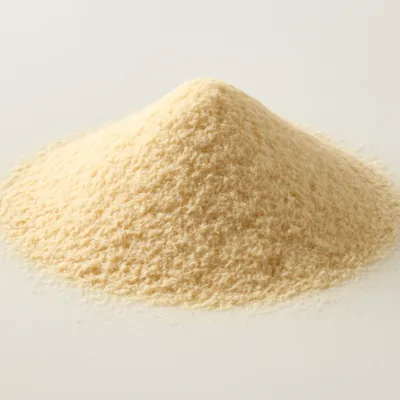

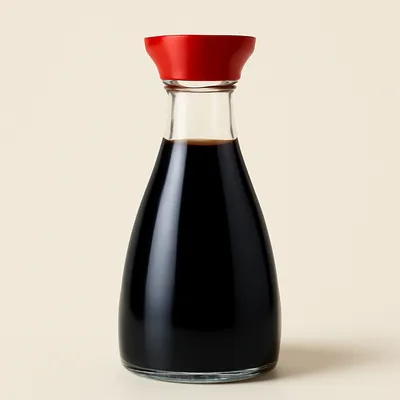


How it's made
5 steps · 27 min
- 15 min
Fill a pot with water and add a piece of kombu. Heat over medium until just before boiling, then remove the kombu to prevent bitterness.
Watch outPull the kombu the moment fine bubbles climb the sides, just before a boil — let it actually boil and the broth turns slimy and bitter.
- 25 min
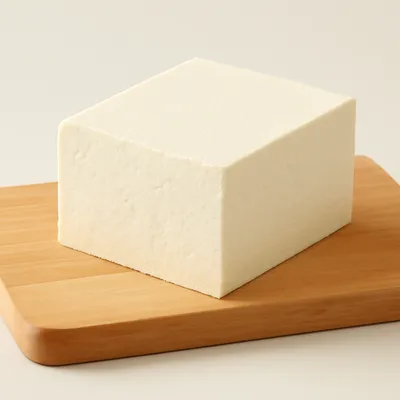
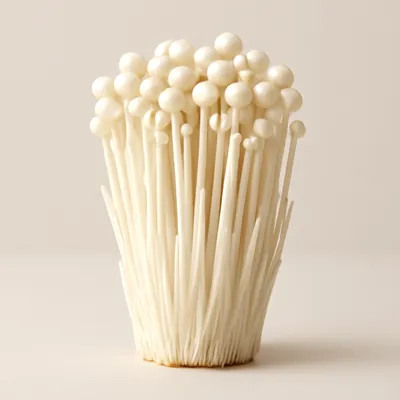
Arrange thin slices of beef, tofu, enokitake, and vegetables on a platter. Each ingredient should be easily accessible for quick cooking.
- 310 min
Bring the kombu-infused water to a gentle simmer. Using chopsticks, dip the beef slices into the water, swishing them back and forth until they are just cooked through.
Watch outKeep the broth at a lazy simmer with just a few bubbles, and swish only till the red is gone — a rolling boil seizes the thin slices tough.
- 45 min
Cook the tofu and vegetables in the simmering broth until they are tender and infused with flavor. This usually takes a few minutes.
Watch outGive the firm stuff — cabbage stems, tofu, shiitake — a head start to simmer soft; add the quick-cooking greens and enoki near the end.
- 52 min
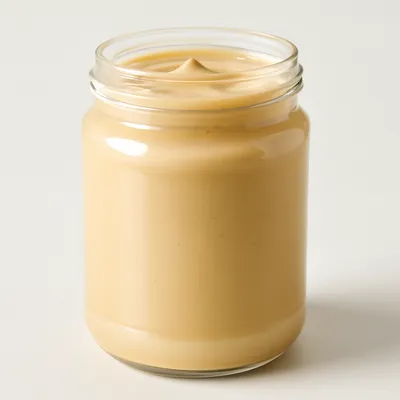
Serve the cooked ingredients with tahini sauce and steamed rice on the side, allowing diners to enjoy the interactive dining experience.
Archive tool suggestions — not reviewed
These legacy suggestions have not been evidence-reviewed and are not presented as required tools.