
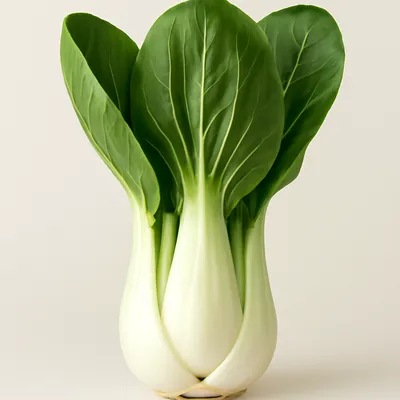
The Japanese adaptation of Sichuan dan dan noodles into a ramen. Where the Chinese original is a small bowl of dry-ish noodles in a chili-and-Sichuan-pepper sauce, the Japanese tantanmen is a full ramen bowl: a creamy sesame-paste broth (often built on chicken or pork stock and soy milk, sometimes enriched with miso), seasoned with chili oil and a milder hit of heat, topped with a savory-spicy stir-fry of ground pork (niku-miso) and a few greens such as bok choy. It is served across Japan and is distinct from the Chinese dish, which is also in this collection.






Tantanmen is the Japanese reworking of Sichuan dan dan mian (担担面), which in Chengdu is a dry, fiercely spiced street noodle. Its Japanese form is widely credited to Chen Kenmin (陳建民, 1919–1990), the Sichuan-born chef called the father of Sichuan cuisine in Japan, who emigrated in 1952, took Japanese citizenship in 1954, and opened the restaurant Shisen Hanten in the late 1950s. To suit local palates he is said to have tamed the chili and Sichuan-pepper heat and turned the dish into a soup ramen built on sesame paste — a change so complete that Japanese tantanmen is now its own dish rather than an import. (Several Chinese-trained chefs adapted such noodles in this era; Chen is the name most often attached to tantanmen specifically.)
A creamy, nutty, faintly orange broth from sesame paste and chili oil, clinging to medium noodles. The first taste is roasted sesame and savory pork fat, then warmth from the chili oil and a numbing tingle of Sichuan pepper that builds rather than burns; soy milk or miso, if used, rounds the edges. The niku-miso pork on top is salty-sweet and spicy, the greens cool it. It is richer and gentler than Chinese dan dan, which hits harder and drier — meant to be slurped hot as a full bowl.
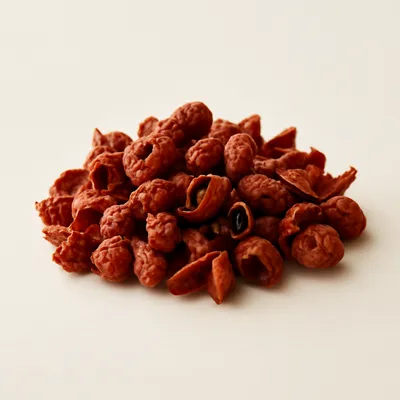
The broth is a sesame emulsion. Roasted sesame paste (neri goma) carries fat and ground solids that, whisked into hot stock, suspend as an emulsion and give the soup its creamy body and clinging texture; soy milk or a little miso adds protein and umami that stabilize and round it. The heat is split between two compounds: capsaicin from chili oil (a true burn) and hydroxy-sanshool from Sichuan pepper (the tingling, numbing 'mala'), and the Japanese balance dials both down so the sesame reads first. Skip the emulsifying step — just floating sesame oil on broth — and the soup separates and tastes thin.
Variations
Bowls range from rich and creamy (heavy on sesame and pork stock) to lighter soy-milk versions; some shops fold in miso for depth and others add doubanjiang or extra chili oil for a fierier bowl. A major branch is the soupless shiru-nashi (or tsuyu-nashi) tantanmen — noodles tossed with sesame tare, chili oil, vinegar, and Sichuan pepper, with no broth, popularized as a regional specialty in Hiroshima and now common nationwide. All of these descend from, but differ from, the Chinese dan dan mian on which they are based.
On the Palate
Where Tantanmen sits in the Japanese flavor cloud
Ingredients
Serves 2

How it's made
7 steps · 30 min
- 110 min
Make the spicy pork (niku-miso): stir-fry ground pork until browned, then season with miso, soy sauce, a little sugar, grated ginger and garlic, and a touch of doubanjiang; cook until dry and savory, and set aside.
- 23 min
Make the tare in each bowl: whisk together roasted sesame paste, soy sauce, chili oil, and a little sugar and rice vinegar until smooth.
- 35 min
Heat the broth: bring chicken or pork stock to a simmer and stir in soy milk (and a spoon of miso if using); do not let it boil hard once the soy milk is in.
Watch outOnce the soy milk goes in, don't let it boil hard — a rolling boil curdles the soy protein and breaks the creamy body.
- 42 min
Whisk a ladle of hot broth into the sesame tare in each bowl to loosen it, then pour in the rest of the broth and stir to a smooth, creamy soup.
Watch outWhisk hot broth into the sesame tare to loosen it first, then pour in the rest — this emulsifies the sesame into a creamy soup; skip it and the fat just floats and the broth separates.
- 53 min
Boil the medium noodles for the time on the package, keeping them firm, and drain well.
Watch outBoil the noodles firm — they keep softening in the hot broth, so pull them a touch underdone.
- 61 min
Lift the noodles into the broth, then top with the niku-miso pork and a few blanched greens such as bok choy.
- 71 min
Finish with a drizzle of chili oil and a little ground Sichuan pepper, and serve hot.
Archive tool suggestions — not reviewed
These legacy suggestions have not been evidence-reviewed and are not presented as required tools.


