
Kiriboshi daikon is a traditional Japanese simmered side made from daikon radish that has been shredded and sun-dried into pale, wiry strands. The dried strips are rehydrated in water, then simmered in dashi seasoned with soy sauce and mirin — almost always together with carrot and aburaage (thin fried tofu), which lend color and savor. The result is a tangle of tender, faintly chewy strands in a light brown, sweet-savory broth, served warm or at room temperature. As a preserved-vegetable nimono it is a humble, everyday standard of the home table and a frequent bento and side-dish component.


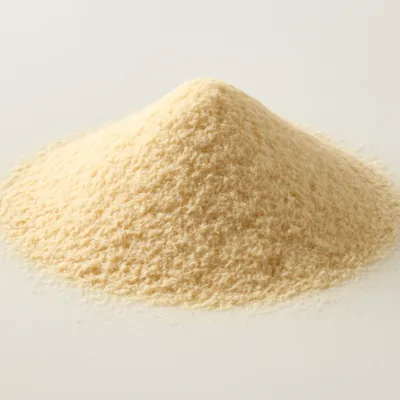
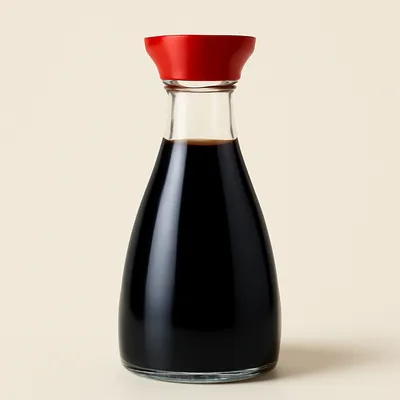

Drying daikon to preserve it is an old practice in Japan, and kiriboshi daikon has been eaten since at least the Edo period (1603–1867), when dried daikon spread nationwide as a keeping food and a hedge against lean seasons. The overwhelming center of production today is Miyazaki Prefecture in Kyushu, around the town of Kunitomi and the Tano and Kiyotake areas of Miyazaki City, which together account for roughly 90 percent of Japan's output. There, freshly shredded daikon is spread on drying racks from late November through February and cured in the cold, dry Kirishima-oroshi wind off the mountains under strong southern sun — a sight that has become a fixture of the local winter landscape. The simmered dish made from it is a generic homestyle preparation rather than a single invented recipe.
Properly cooked, the rehydrated strands are tender but keep a gentle, springy chew — never mushy, never stiff — and carry a concentrated, almost sweet daikon flavor quite unlike the watery sharpness of the fresh root. The broth is light brown and gently sweet-savory: soy salt and dashi underneath, mirin sweetness on top, with the radish's own sweetness running through it. Carrot adds a soft bite and color; the aburaage turns spongy and soaks up the liquid, releasing it when bitten. It is usually served just warm or at room temperature, after a rest, so the seasoning reads as having soaked all the way in. A dried, slightly toasty aroma lingers from the drying.
The dish turns on what sun-drying does to daikon. Fresh daikon is about 95 percent water; drying it removes most of that, concentrating the sugars and amino acids so the strands taste markedly sweeter and more savory than the raw root — measured studies find sun-drying raises the free glutamic acid (an umami compound) and that the pungent radish notes mellow into sweetness as enzymes act during the slow dry. Cool nights and bright, windy days give the gentlest cure. In the pot, the dried strands are first soaked to rehydrate (the soaking water, full of leached flavor, is often reused as part of the simmering liquid). Then a gentle simmer in dashi lets the strands draw the seasoning back into their now-porous structure. Underneath the seasoning is dashi's umami synergy: glutamate from kombu and inosinate from katsuobushi together produce an umami far greater than either alone, which the concentrated glutamate of the dried daikon reinforces.
Variations
The standard household version pairs the daikon with carrot and aburaage, but the dish takes many turns: cooks add soy-simmered shiitake, konnyaku, chikuwa or other fishcake, hijiki seaweed, or soybeans, and finish with a scatter of sesame. Seasoning shifts by household between sweeter and plainer; some make it as a quick stir-fried, lightly seasoned 'harihari'-style toss rather than a long simmer. Beyond the nimono, the same dried daikon is used in other dishes — notably harihari-zuke, a crunchy pickle of rehydrated kiriboshi daikon in a soy-vinegar marinade. In Miyazaki, where it is a regional specialty, it also appears in local preparations such as a quick madaka-zuke pickle.
On the Palate
Where Kiriboshi Daikon sits in the Japanese flavor cloud
Ingredients
Serves 4
How it's made
7 steps · 20 min
- 115 min
Rinse the dried kiriboshi daikon, then soak it in plenty of water for 10 to 15 minutes until softened and expanded; squeeze out the excess and reserve the soaking water.
Watch outSoak the dried daikon and save the flavor-rich soaking water — reused as part of the dashi, it carries the drying's concentrated sweetness back into the pot.
- 25 min
Cut the rehydrated daikon and the aburaage into bite-length pieces, and julienne the carrot.
- 32 min
Pour boiling water over the aburaage to remove excess oil, then drain.
- 44 min
Heat a little oil in a pot and lightly stir-fry the daikon and carrot until coated and fragrant.
- 52 min
Add dashi (using some of the reserved soaking water), then the aburaage, soy sauce, mirin and a little sugar.
- 615 min
Simmer gently over medium-low heat for about 15 minutes, until the carrot is tender and most of the liquid has been absorbed.
Watch outSimmer gently until the carrot's tender and most of the liquid's absorbed — the strands should drink up the seasoning, not swim in it.
- 715 min
Turn off the heat and let it rest so the seasoning settles in; serve warm or at room temperature, optionally with a scatter of sesame seeds.
Archive tool suggestions — not reviewed
These legacy suggestions have not been evidence-reviewed and are not presented as required tools.


