
A homestyle Japanese simmered side of dried hijiki seaweed, rehydrated and braised with shredded carrot and aburaage (thin deep-fried tofu) in a dashi broth seasoned with soy sauce, mirin, sake, and a little sugar. It is a staple of Kyoto-style obanzai cooking and a routine component of the teishoku set meal, served in a small dish alongside rice, soup, and pickles. Also called hijiki no nitsuke, it is typically made in batch as a make-ahead dish whose flavor deepens after a day. Soybeans, lotus root, or konnyaku are common regional and family additions.



Hijiki (Sargassum fusiforme) is a brown sea vegetable harvested along the coasts of Japan and East Asia and one of the country's oldest documented seaweed foods: traces have been found at Jomon- and Yayoi-period sites, and it appears among the marine tribute presented to the imperial court in the Heian-era code Engishiki (927). The kanji 鹿尾菜, literally deer-tail vegetable, is traditionally explained by the plant's resemblance to a deer's tail, while the alternative spelling 羊栖菜 derives from its Chinese name. Drying technology that allowed nationwide distribution developed in the Edo period. Simmered with aburaage and root vegetables, the dish belongs to the unfussy, seasonal repertoire of Kyoto obanzai and the everyday teishoku side; it has no single inventor and exists in countless household versions.
Soft, faintly briny strands of seaweed with a clean mineral note, set against sweet matchsticks of carrot and chewy aburaage that bursts with absorbed broth. The seasoning is sweet-savory and gently glossy rather than soupy, the liquid having reduced to a light coating. Served warm or at room temperature, it reads as a quiet, comforting counterpoint to plain rice.
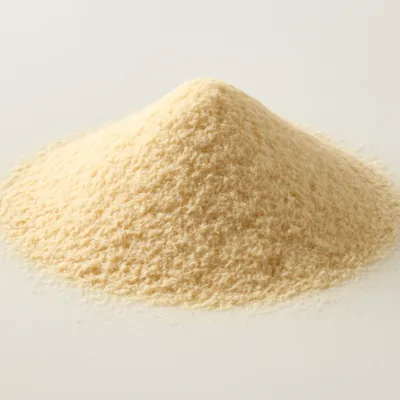
Dried hijiki is rehydrated in water, swelling severalfold, then drained; the soaking water is discarded. It is a fukumeni-style simmer — the seaweed slowly absorbs a seasoned dashi over low heat while the liquid reduces and the sweet-soy seasoning concentrates into a light glaze. Aburaage, briefly blanched to shed surface oil, contributes fat and umami and acts as a sponge for the broth, while dashi (kombu and katsuobushi) supplies glutamate and inosinate for a savory base. Stir-frying the rehydrated hijiki in a little oil before adding liquid is common and rounds the flavor. Factual note: hijiki naturally contains inorganic arsenic, and food-safety agencies including the UK Food Standards Agency, Hong Kong's Centre for Food Safety, and Food Standards Australia New Zealand have advised limiting or avoiding it; it remains an everyday food eaten in moderation in Japan, and the traditional rinse-and-soak with water changes measurably lowers inorganic-arsenic levels (studies report roughly a third to half removed after several hours of soaking).
Variations
The best-known elaboration is the gomoku, or five-ingredient, simmer with soybeans or edamame, often with konnyaku and shiitake added for texture; lotus root is another frequent inclusion. Cooking the seasoned hijiki into steamed rice makes hijiki gohan, and folding it into a bound salad or omelet (tamagoyaki) are popular leftover uses. Seasoning ratios vary by region and household, from lighter Kansai versions to sweeter, darker eastern styles.
On the Palate
Where Hijiki no Nimono sits in the Japanese flavor cloud
Ingredients
Serves 4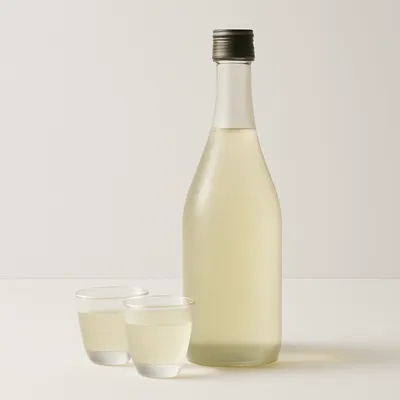

How it's made
7 steps · 25 min
- 125 min
Rinse dried hijiki, then soak in plenty of cold water for about 20-30 minutes until fully swelled; drain and discard the soaking water, rinsing once more.
Watch outSoak until fully plump and soft, then drain — the soaking water carries grit and a faint bitterness, so don't cook with it.
- 25 min
Pour boiling water over the aburaage to remove surface oil, then cut into thin strips; cut the carrot into matchsticks.
Watch outThe boiling-water rinse strips the aburaage's surface oil; skip it and the broth turns greasy.
- 32 min
Heat a little oil in a pot over medium heat and stir-fry the drained hijiki and carrot for 1-2 minutes.
- 42 min
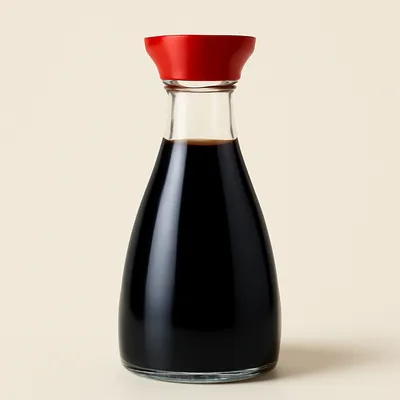
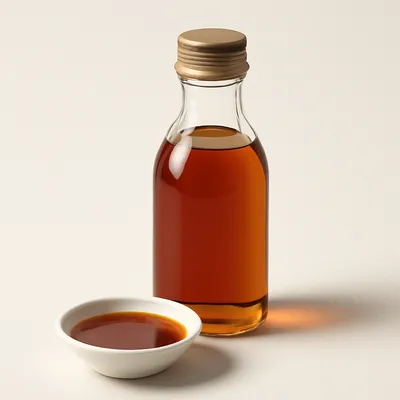
Add dashi, then the sake, mirin, sugar, and soy sauce, and bring to a gentle simmer.
Watch outSeason with a light hand — hijiki drinks up flavor as it simmers, so it's easy to oversalt.
- 514 min
Add the aburaage, lower the heat, and simmer uncovered, stirring occasionally, until the carrot is tender and most of the liquid has reduced, about 12-15 minutes.
- 63 min
Taste and adjust seasoning; let it rest off the heat so the flavors settle.
Watch outLet it rest off the heat before serving; like most nimono, it tastes better once the flavors settle as it cools.
- 71 min
Serve warm or at room temperature in a small dish; it keeps refrigerated for several days.
Archive tool suggestions — not reviewed
These legacy suggestions have not been evidence-reviewed and are not presented as required tools.


