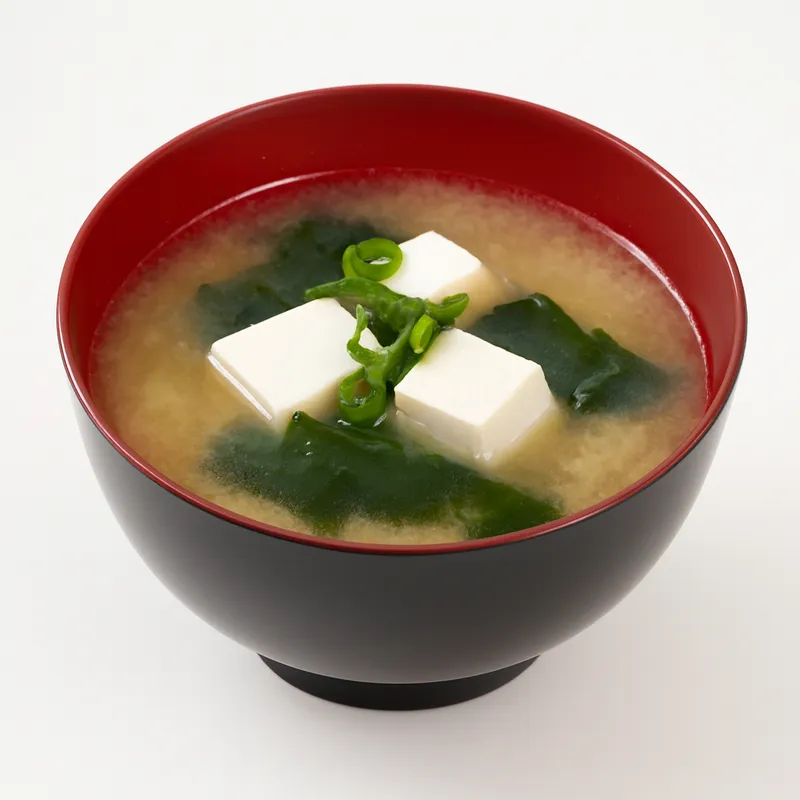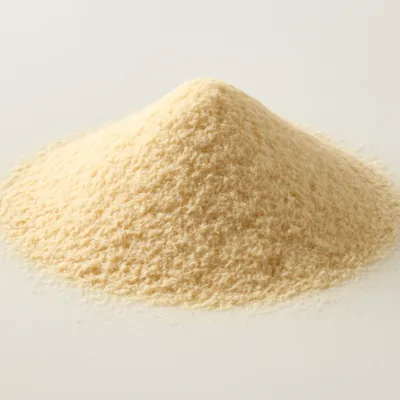
Japanese stock made from kombu and katsuobushi; the clearest expression of umami as a foundational flavor.
Where it comes from
Rooted in Japanese culinary tradition, dashi is often made from kombu and bonito flakes, reflecting a deep respect for the quality of ingredients and simplicity.
In the kitchen
Used as a base for soups, sauces, and braises, dashi infuses dishes with umami, enhancing flavors while maintaining a light, refreshing quality.
Across cuisines
Dashi is not a seasoning but a foundational stock that provides the umami scaffold for most Japanese preparations. Ichiban dashi (first extraction: kombu + katsuobushi steeped at 60–70°C to avoid bitterness) is used in miso soup, chawanmushi, and kaiseki clear soups (suimono) where the stock itself is the dish. Niban dashi (second extraction) goes into oden's simmering liquid, nikujaga braise, and udon broth. Osaka-style dashi tends toward stronger katsuobushi; Kyoto prefers a lighter kombu-forward extraction. Agedashi tofu floats in a tsuyu made from dashi, mirin, and soy.
Notable varieties
Cold- or hot-steeped kelp alone, producing a subtle glutamate-rich stock. Vegan. Kyoto kaiseki relies on this style. Rishiri kombu (Hokkaido) gives the cleanest flavor; Ma-kombu is richer.
Katsuobushi (smoked, fermented, dried skipjack tuna shavings) steeped in hot water at 80°C for 2–3 minutes. High inosinic acid (IMP) concentration. Combined with kombu glutamate, produces the synergistic umami effect that defines Japanese cooking.
Dried sardines or anchovies steeped 30 minutes in cold or warm water. More assertive, slightly fishy flavor than katsuobushi dashi. Common in Tohoku regional broths (kiritanpo nabe, imoni) and home-style miso soups.
Dried shiitake soaked in cold water 6–12 hours. Rich in guanylate (GMP), producing a robust, deep umami with an earthy mushroom character. Used in shojin (Buddhist vegan) cooking and sometimes blended with kombu dashi.
Nutrition (per 100g)
AI-estimated; model and run unavailable.
Pairs well with