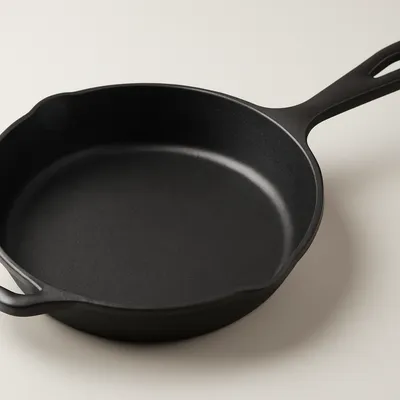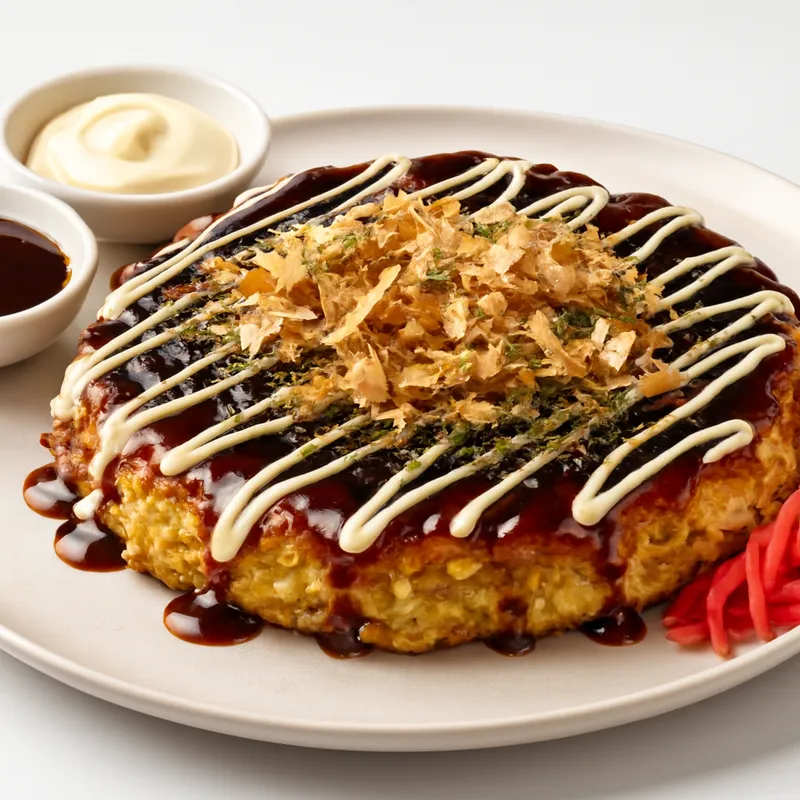




Takoyaki was invented in 1935 by Tomekichi Endo in Osaka's Nishinari ward, whose earlier stall sold radio-yaki (radioyaki), wheat-flour batter balls filled with beef tendon and konjac; in 1935, after a customer described Akashi's octopus-filled egg dumplings (akashiyaki), he swapped the beef tendon and konjac for octopus, creating takoyaki. Aizuya's original was seasoned with dashi and light soy in the batter and eaten plain — the now-standard sauce-and-mayo topping was a later addition. The cast-iron half-sphere mold he developed is still the universal tool. Osaka's working-class identity built up around this and okonomiyaki — both 'flour culture' (粉物, konamon) street foods.
Osaka's 1935 invention — Endo Tomekichi at Aizuya, originally as akashiyaki (egg-based) before octopus took over. The takoyaki pan's hemispherical wells and the tooth-pick rotation technique are what produce the cooked-shell-soft-core paradox.
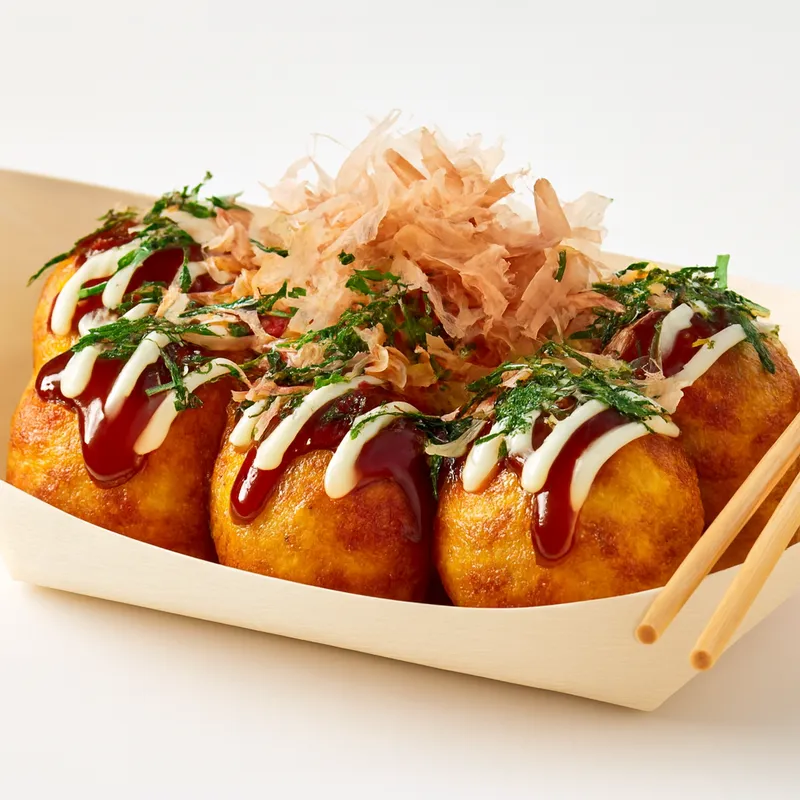
Eight to ten golf-ball-size rounds, fresh off a cast-iron mold, almost too hot to handle. Crisp shell, molten dashi-batter inside that hasn't fully set, a chunk of octopus at the center. Brushed with takoyaki sauce, zigzagged with kewpie mayo, scattered with bonito flakes (which curl and wave) and aonori. First bite scalds the roof of the mouth — every Osaka native learns this once.
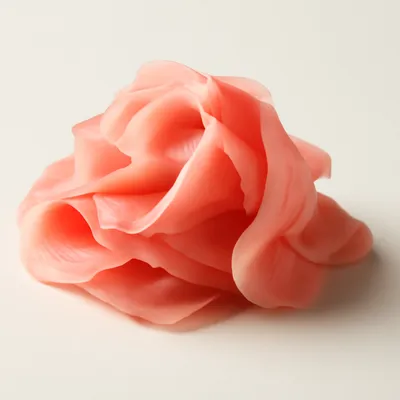
The flip is the technical move. Batter is poured to overflow each hemisphere, octopus dropped in, tempura crumbs and ginger added — then a thin metal pick rotates each ball 180 degrees while batter is still liquid, sealing the bottom into the new top. Done right, the inside stays semi-liquid and creamy; rushed, the ball is hollow with dense walls. A skilled cook flips 30 balls in under a minute.
Variations
Akashiyaki is the older egg-rich ancestor (dipped in dashi, not topped with sauce); Tokyo takoyaki is firmer; modern Tsukiji-style adds tempura crumbs (tenkasu); cheese takoyaki is a millennial-era addition.
On the Palate
Where Takoyaki sits in the Japanese flavor cloud
The flip is everything: rotate each ball 180 degrees while the batter is still runny so the sealed bottom becomes the new top and the center stays molten and creamy — turn too late and you get a hollow ball with dense, overcooked walls.
Ingredients


How it's made
5 steps · 20 min
- 15 min
In a bowl, whisk together flour, eggs, and dashi to form a smooth batter. The consistency should be similar to heavy cream.
Watch outThe batter should pour in a smooth ribbon like heavy cream — if it plops thickly, it's too dense to go creamy inside.
- 22 min
Heat a takoyaki pan over medium heat and brush each mold with oil. The pan should sizzle gently when the batter is added.
Watch outIf the oil is too hot, the batter will cook too quickly and burn.
- 33 min
Pour the batter into each mold, filling them halfway. Add a piece of octopus, pickled ginger, and green onion to each mold, then top with more batter.
Watch outOverfill each cup so batter floods the flat top — that extra skin is what you fold over to seal the ball.
- 48 min
Cook, turning frequently with skewers, until the takoyaki are golden brown and crisp on the outside, about 7-8 minutes.
Watch outTurn constantly and only when the underside sets to a crust that lifts free of the mold; when it spins without dragging, keep rolling it round.
- 52 min
Drizzle with takoyaki sauce and mayonnaise, then sprinkle with bonito flakes and nori before serving.
Archive tool suggestions — not reviewed
These legacy suggestions have not been evidence-reviewed and are not presented as required tools.