

Osaka
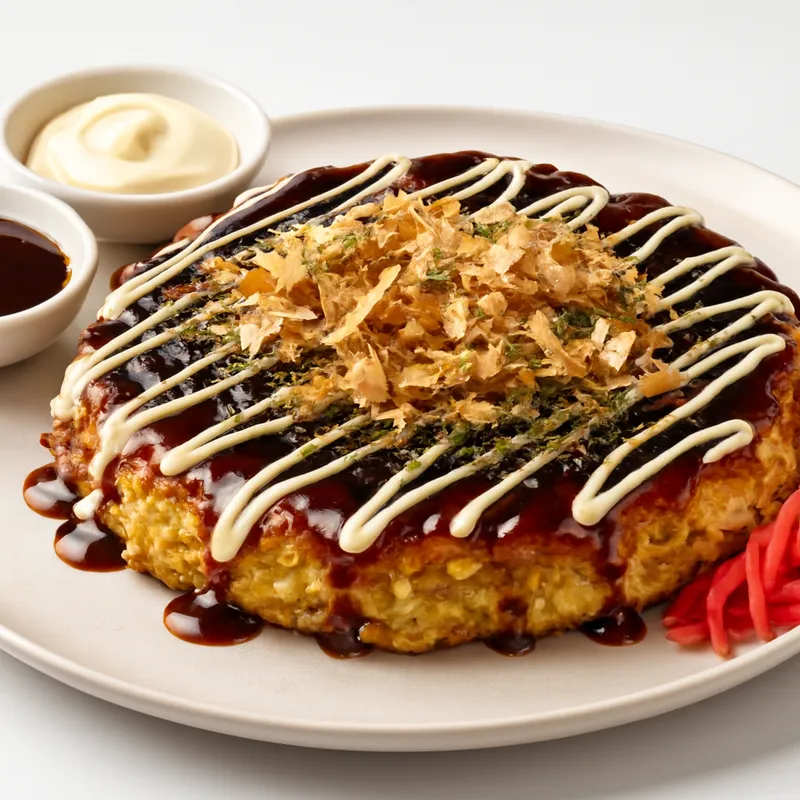
Okonomiyaki: savory pancake, rich toppings.
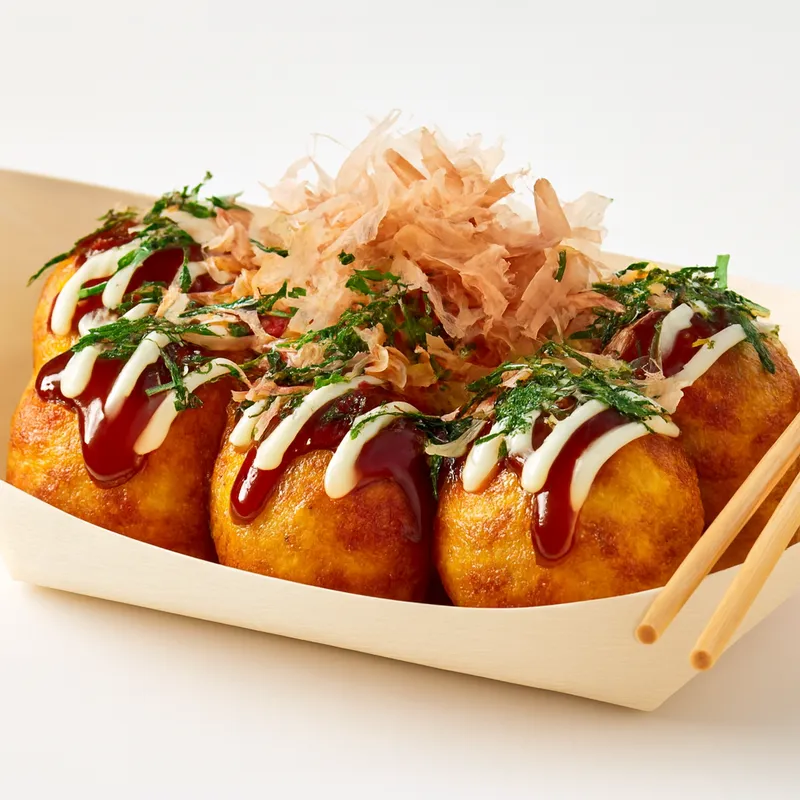
takoyaki
Takoyaki, octopus-filled batter balls, epitomize Osaka's street-food culture and casual, communal dining style.
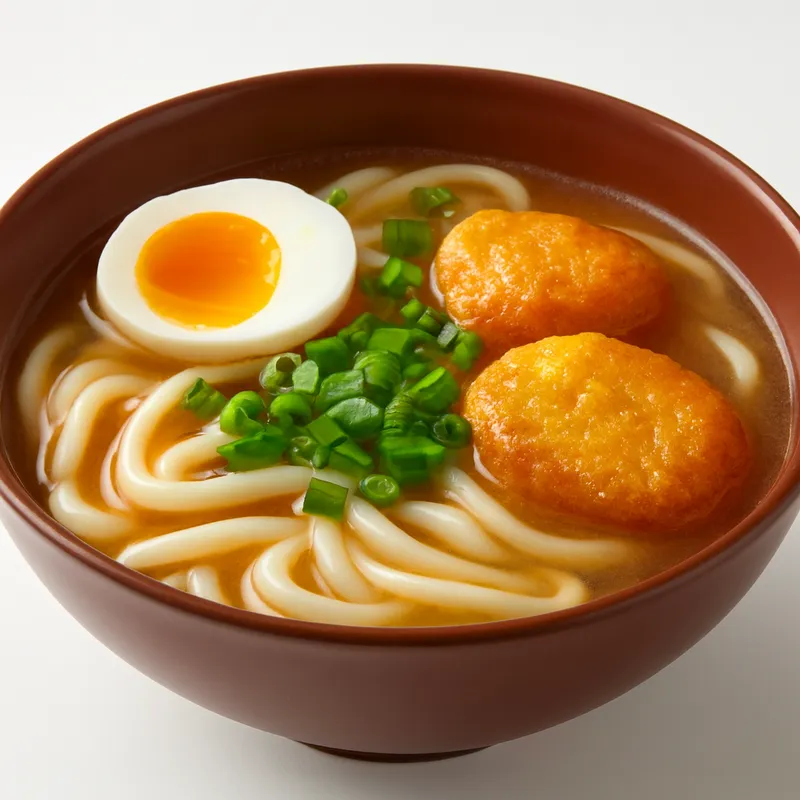
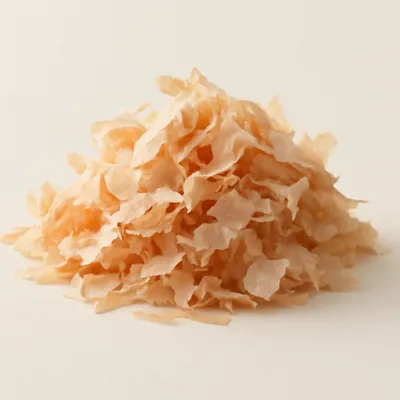
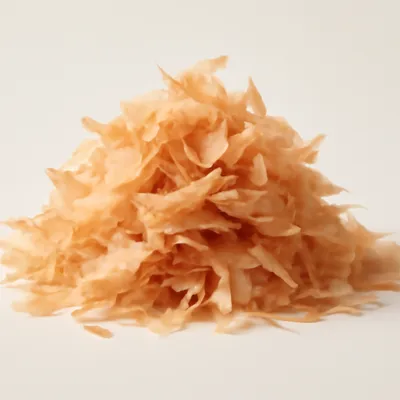
View page →Osaka is Japan's great street-food city in the western Kansai region, and its food is cheap, filling, and famously unpretentious; locals sum up the spirit as kuidaore, "eat until you go broke." The two icons are both flour-based griddle foods: okonomiyaki, a thick savory pancake of shredded cabbage and batter folded around pork or seafood, griddled and finished with a sweet brown sauce, mayonnaise, dried seaweed, and dancing bonito flakes; and takoyaki, golf-ball-sized batter dumplings each hiding a chunk of octopus, flipped in a dimpled iron pan and brushed with the same sauce. Compared to Tokyo's dark, salty seasoning, Kansai cooking is lighter in color and saltiness, using pale dashi and light soy so the stock's flavor comes through. Kitsune udon, fat wheat noodles in a clear broth topped with sweet fried tofu, is a homegrown classic, and the city's old nickname, "the nation's kitchen," reflects its long history as Japan's food-trading hub.
The Palate
Start Here
Often described as a savory pancake, it brings together flavors and textures with its blend of cabbage, pork, and distinctive toppings.
Why start here · Okonomiyaki encapsulates Osaka's street food culture, showcasing its love for bold and communal dining experiences.
These octopus-filled balls are a staple of Osaka's busy street food scene, crispy on the outside and creamy inside.
Why start here · Takoyaki is a must-try for understanding the social and culinary spirit that defines Osaka.
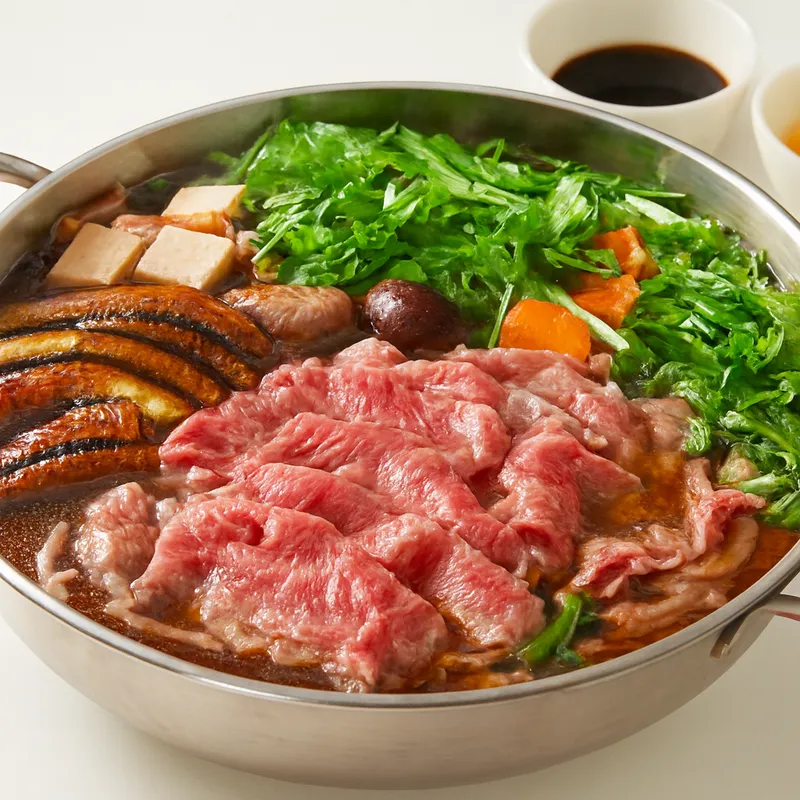
This communal hot pot dish is a perfect representation of Osaka's emphasis on fresh ingredients and shared dining.
Why start here · Shabu-Shabu highlights the region's focus on fresh ingredients and the joy of communal eating.
The Pantry




See all 88 ingredients›








Herbs & Spices
















How They Cook
Techniques that define this cuisine
Kindred Kitchens
Cuisines built on the same signature ingredients
Other regions
Siblings within Japanese — each its own tradition.
Signature Dishes (21)
Browse all 21 dishes›
Starters
1
Mains
17