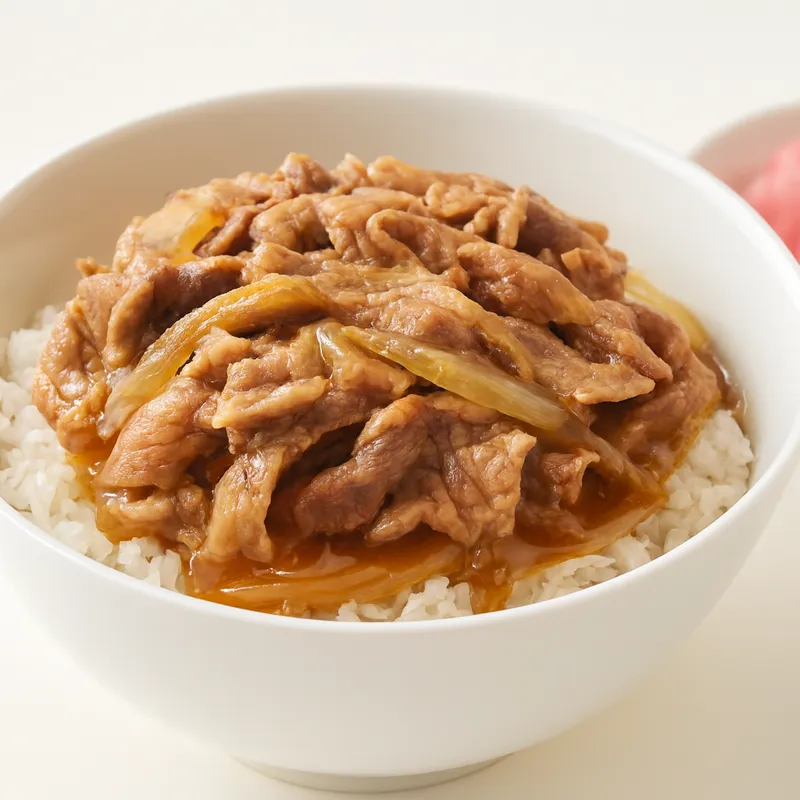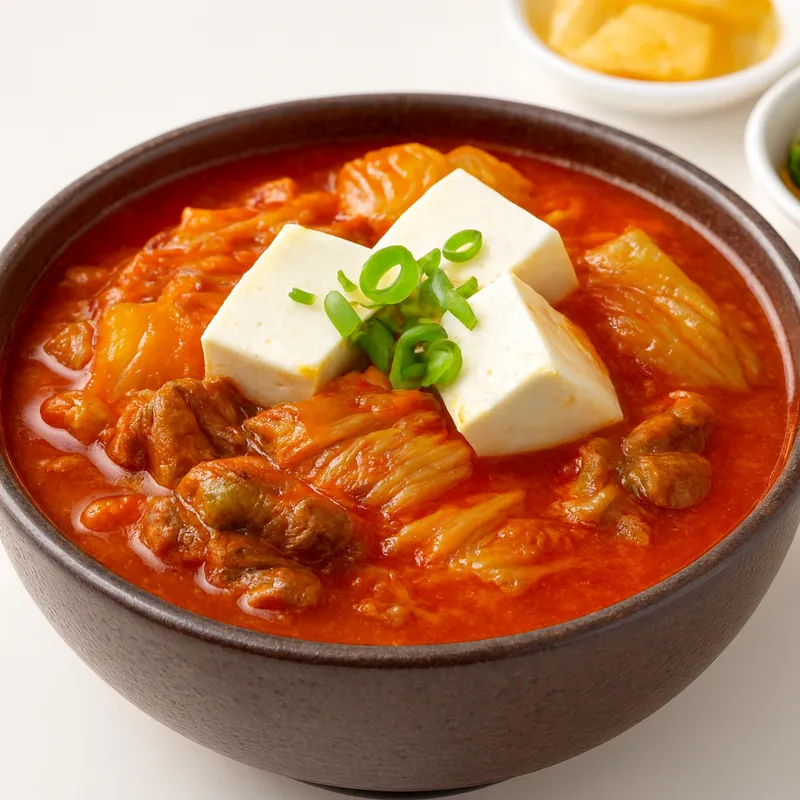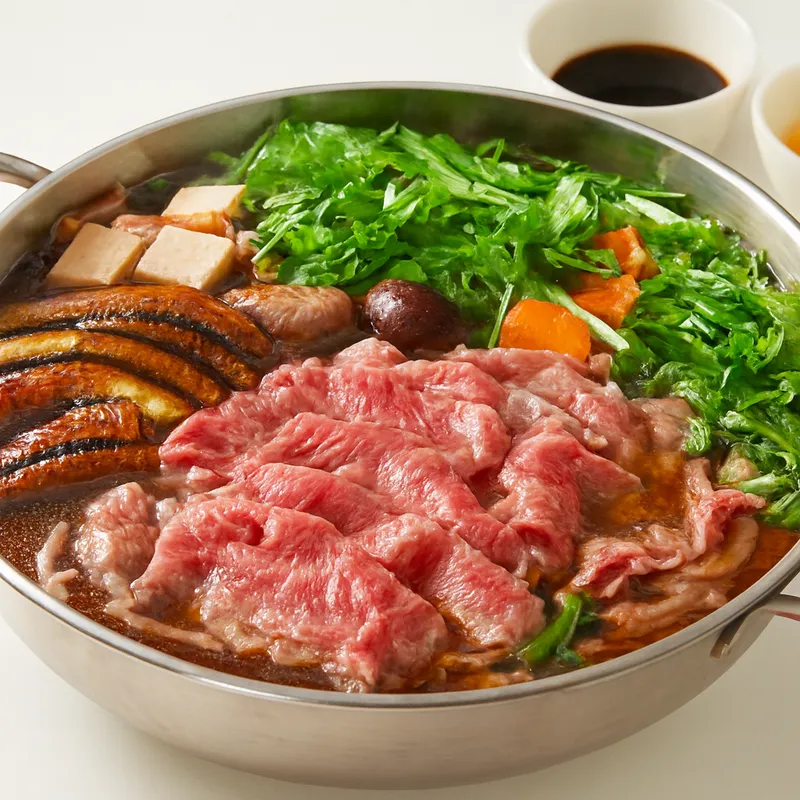


Eel-and-beef sukiyaki is not historic standard — it's a luxury restaurant addition from Osaka and Kyoto kappo kitchens in the late 20th century, when both ingredients were premium and chefs combined them for special-occasion menus. Unagi alone has its own dish (unaju, unadon). Adding it to sukiyaki is a chef's move, not a folk tradition; treat the dish as a contemporary indulgence rather than a regional staple.
Kansai-style cooks the beef directly on the hot iron pan with sugar-soy-sake (no warishita pre-mix); raw egg dipping sauce is non-negotiable. The eel addition is a Kansai luxury upgrade — unagi tare and beef fat speak the same language.
A regional Kansai variation: sukiyaki pan with the usual beef-and-warishita base, plus pre-grilled unagi (kabayaki-style, already brushed with sweet soy glaze) added in the second round of cooking. The eel softens in the broth and gives up its smoky tare into the pot. Beef stays the lead, eel stays the accent. Raw-egg dip handles both.
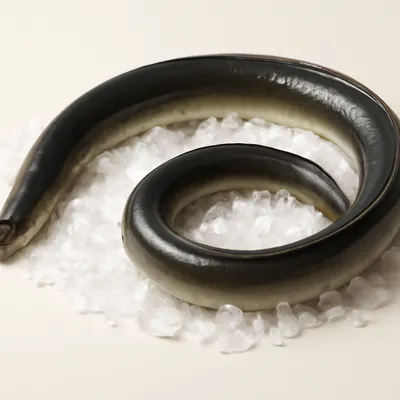
Pre-grilled unagi is essential — raw eel in sukiyaki broth stays slimy and the bones stay sharp. Kabayaki has been steamed (Kanto method) or grilled live (Kansai method) and lacquered with tare; the tare's sugar and soy align with warishita's seasoning, so it integrates rather than fights. Add eel late and only briefly — five minutes in the pot is enough; longer and it falls apart.
Variations
Kanto-style uses warishita (pre-made dashi-soy-sugar-mirin liquid) and simmers everything; Kansai sears beef first then adds liquid; Yonezawa, Matsusaka, Omi beef are the three premium-cattle names; eel-and-beef versions are typical at high-end Kobe restaurants.
On the Palate
Where Sukiyaki with Thinly Sliced Beef and Eel sits in the Japanese flavor cloud
Ingredients


How it's made
4 steps · 16 min
- 15 min
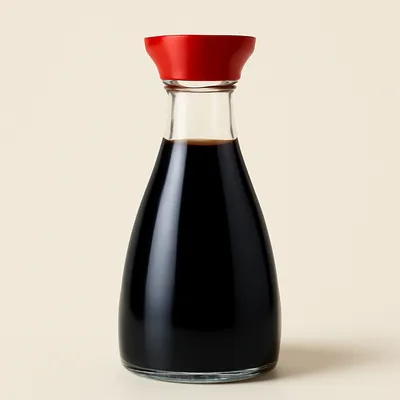
In a large pot, combine soy sauce, sugar, and mirin. Heat over medium until the sugar dissolves, creating a fragrant, sweet-savory broth.
Watch outHeat the soy, sugar, and mirin only until the sugar fully melts and it smells sweet-savory — this is the warishita base, don't let it boil down.
- 25 min
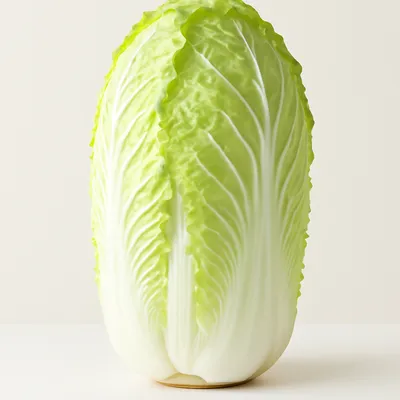
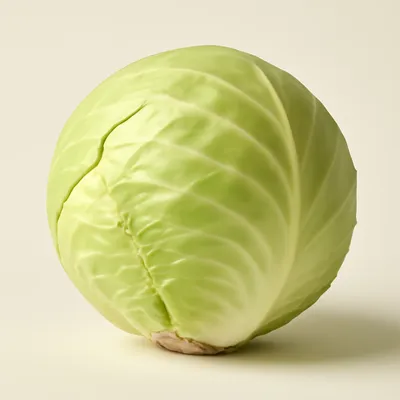
Add napa cabbage and other vegetables to the pot. Simmer gently until the cabbage is tender and translucent, about 5 minutes.
Watch outAvoid boiling vigorously, as it can cause the vegetables to become mushy.
- 34 min
Gently place the thinly sliced beef and eel into the broth. Cook for 3-4 minutes, just until the beef is no longer pink and the eel is warmed through.
Watch outBeef is done the instant it loses its pink; the pre-grilled eel just needs warming, so add it here and handle it gently.
- 42 min
Add tofu to the pot, allowing it to soak up the flavors for about 2 minutes. The tofu should be warm and soft.
Watch outGive the tofu a couple of minutes to drink up the broth and warm through — it should be soft and hot, not boiled hard.
Archive tool suggestions — not reviewed
These legacy suggestions have not been evidence-reviewed and are not presented as required tools.