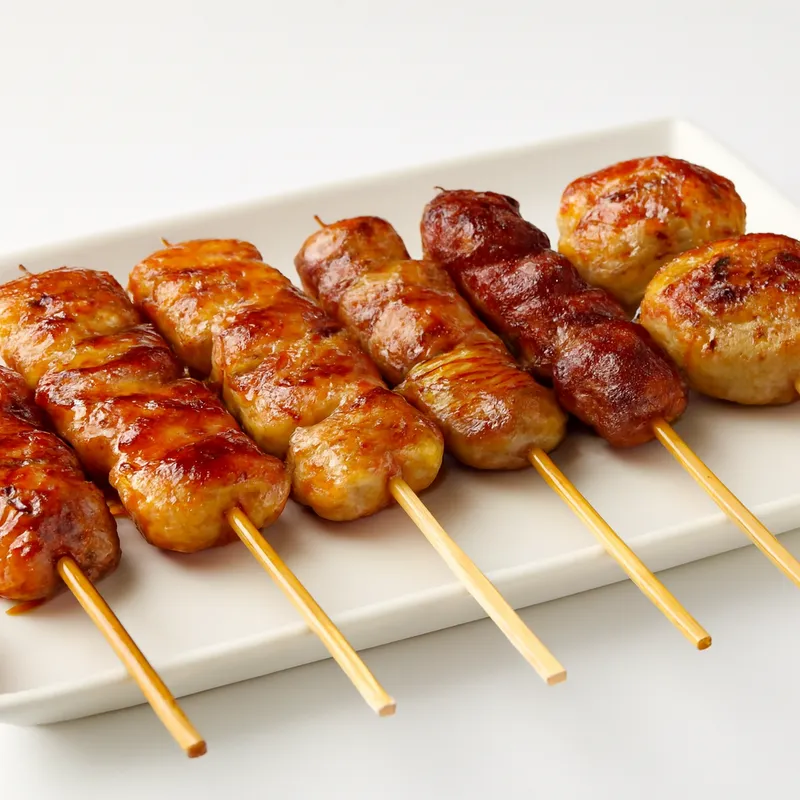


Akita prefecture, originating among 17th–18th century matagi (mountain hunters) and lumberjacks who pounded leftover rice around their cedar tools, grilled it on a fire, and dropped it into stew with whatever they'd hunted — pheasant, chicken, seasonal mountain vegetables. The cedar skewer is structural and aromatic; modern restaurant versions sometimes substitute bamboo, which loses the resin note.
Akita matagi (mountain hunters) and lumberjacks pounded leftover rice around their cedar tools in the 17th–18th century, browned it on a fire, dropped it into stew with whatever they shot. The pre-grilling is load-bearing — Maillarded outer crust resists dissolving in broth. Hinai-jidori is the heritage chicken whose bones build the soup.
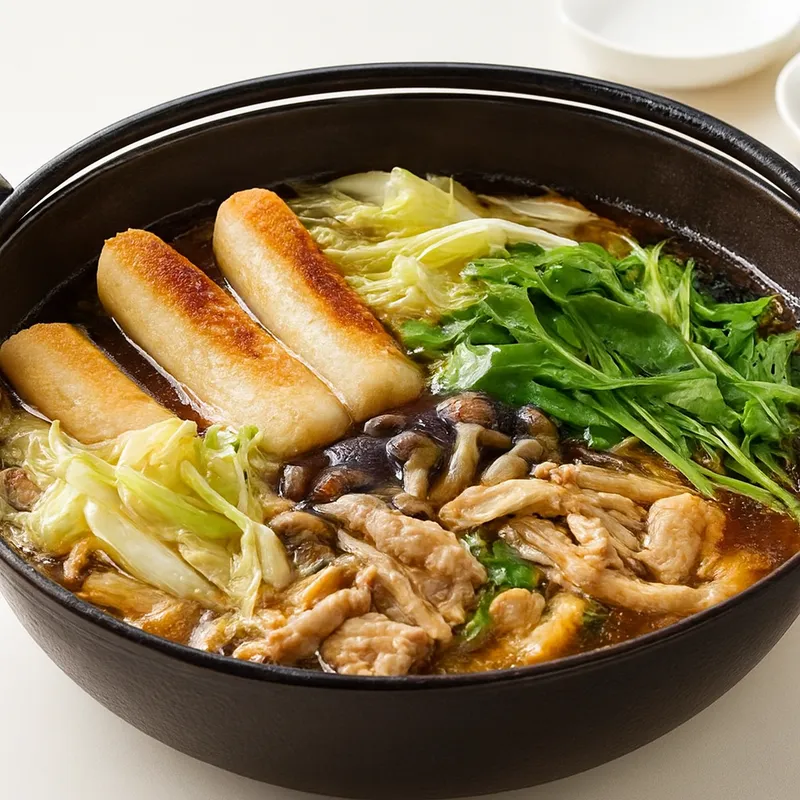
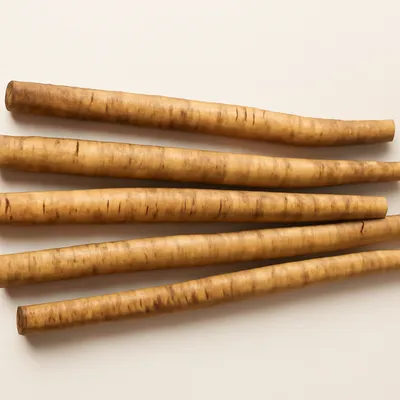
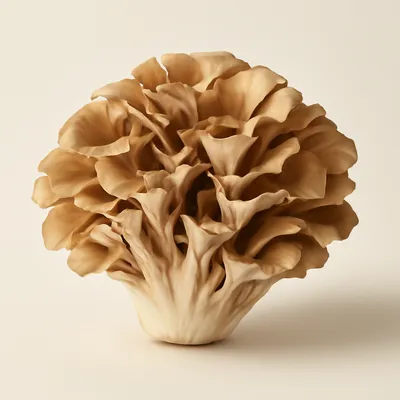
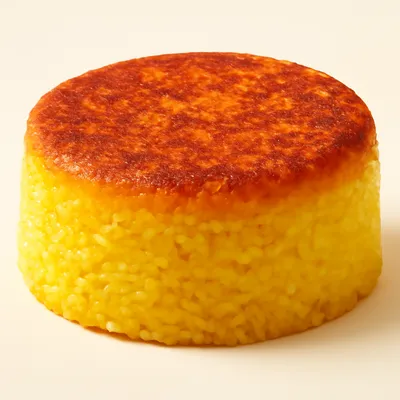
A clay nabe of chicken broth with mushrooms (maitake especially), burdock, scallion, seri (Japanese parsley), and the namesake kiritanpo: pounded rice formed into cylinders around cedar skewers, browned, then cut and added to the pot. The kiritanpo soaks broth and softens but holds shape — eaten with a spoon, almost porridge-like at the edges, still solid in the middle.
The pre-grilling is essential and often skipped at home. Browning the rice surface dehydrates and Maillards the outer layer, creating a crust that resists complete dissolution in the broth. Without that step the kiritanpo blows out into rice porridge within minutes. Akita uses jidori (local heritage chicken) called Hinai-jidori — its long-cooked broth is what carries the dish.
Variations
Odate-style runs heaviest on Hinai-jidori broth; Kazuno version adds maitake by the fistful; the dama-ko-mochi pre-form skips the skewer and rolls rice into balls; Hinai-no-Sato and Akita Hinai-Jidori-no-Sato are the two shops most cited as canonical.
On the Palate
Where Kiritanpo Nabe sits in the Japanese flavor cloud
Grill the rice sticks until the surface browns and crisps before they go in the pot — that Maillard crust is what stops the kiritanpo dissolving into porridge in the broth, and it's the step home cooks skip most.
Ingredients

How it's made
6 steps · 1 hour 20 min
- 130 min
Rinse the rice under cold water until the water runs clear. Cook the rice in a rice cooker or pot with 1.5 times the water to rice ratio until tender and fluffy.
Watch outMake sure to rinse until the water runs clear to remove excess starch, which can make the rice gummy.
- 210 min
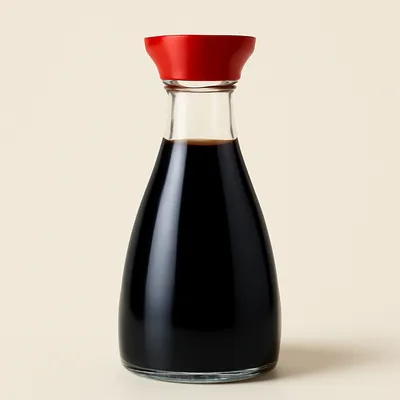
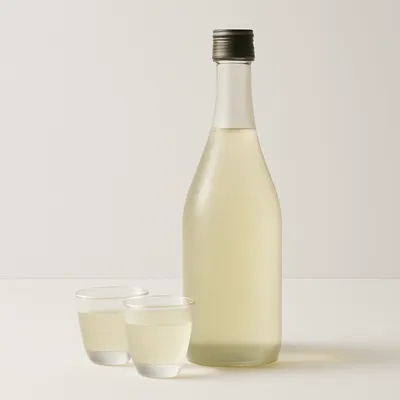
In a large pot, combine chicken stock, dashi, soy sauce, mirin, and sake. Bring to a gentle simmer over medium heat, allowing the aromas to meld together.
Watch outBring the broth up to a bare simmer, never a boil — a clean, gentle stock is the whole backbone of this pot.
- 310 min
Slice the chicken into bite-sized pieces and add them to the simmering broth. Cook until the chicken is tender and cooked through.
Watch outCheck that the chicken is cooked through to an internal temperature of 165°F (75°C) to ensure food safety.
- 415 min
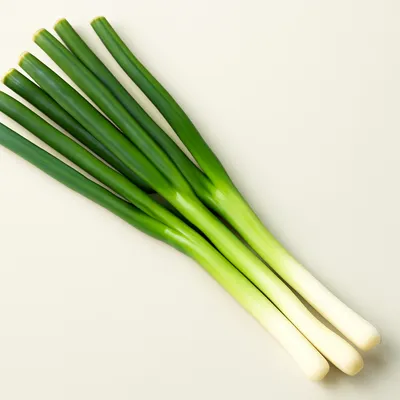
Peel and thinly slice the burdock root. Add it along with the maitake mushrooms and negi to the pot. Simmer until the vegetables are tender and the flavors have melded.
Watch outCut the burdock root thinly to ensure it cooks through in the allotted time.
- 510 min
Shape the cooked rice into cylindrical kiritanpo sticks. Grill them over a medium flame until they are lightly browned and slightly crispy on the outside.
Watch outGrill the rice sticks until the outside is lightly browned and crisp and the surface has dried — that dry crust is what resists the broth.
- 65 min
Add the grilled kiritanpo to the pot just before serving, allowing them to soak up the flavors of the broth.
Watch outAdd the grilled sticks at the very last minute so they soak just enough without collapsing into the broth.
Archive tool suggestions — not reviewed
These legacy suggestions have not been evidence-reviewed and are not presented as required tools.
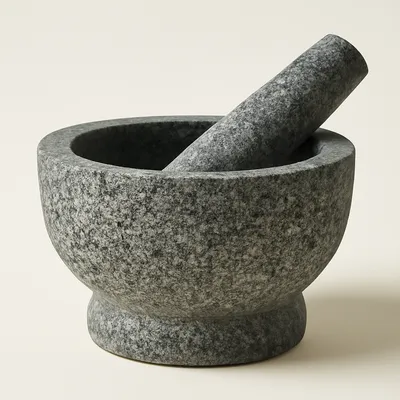
The simplest tool in any kitchen: a heavy bowl and a club to bash things in it. Different cuisines use different stones — Thai cooks pound green papaya in a tall granite mortar (krok hin); pesto Genovese requires the soft-pored Carrara marble; Indian masalas grind down on rough basalt. The bash-don't-cut motion releases volatile oils that a blade keeps sealed in the cell wall.

An electric pot with a thermostat that switches off the moment internal temperature exceeds 100°C — meaning the moment all free water has boiled off. Add rinsed rice and water (1:1.2 by volume for short-grain), press start; 25 minutes later it sits in warming mode and stays at 65°C all day. The fuzzy-logic Japanese versions (Zojirushi, Tiger) cook brown rice, sushi rice, and porridge with separate algorithms for each.