
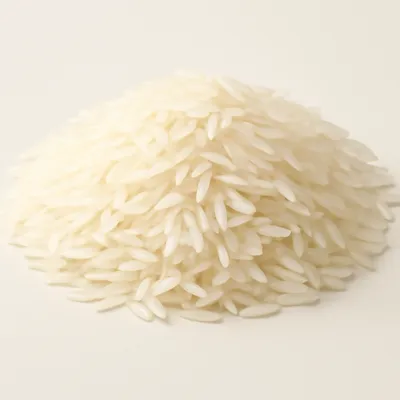


Brewed in Japan since at least the Nara period (8th c.); the Engishiki (927 CE) records temple and court recipes. Modern sake dates to the Edo refinement of polished rice and Kimoto starter at breweries in Hyogo's Nada and Kyoto's Fushimi.
Junmai means rice-only, no added distilled alcohol. Honjozo allows up to 10% brewer's alcohol added at pressing — Toji at Hakkaisan in Niigata argue it lifts aroma without diluting body.
Clear, faintly straw. On the nose: melon, white rice, sometimes banana from ginjo yeast. On the tongue: rice sweetness up front, dry rice-water finish. Junmai is heavier; daiginjo is lifted, almost floral.
Koji mold (Aspergillus oryzae) breaks rice starch into sugar while yeast eats sugar to alcohol — both at once, in the same tank. Polish ratio (seimaibuai) controls aroma: 50% or below for daiginjo, 70% for futsushu.
Variations
Niigata's Hakkaisan and Kubota run dry, clean, cold-water styles. Hyogo Nada's Kenbishi keeps the heavy umami Kimoto line. Akita's Aramasa returned to No. 6 yeast — the oldest surviving association yeast, originally isolated from Aramasa's own moromi around 1930 — and natural lactic (kimoto) starter.
On the Palate
Where Sake sits in the Japanese flavor cloud
Ingredients
Serves 1How it's made
4 steps · 207 days 1 hour 30 min waiting
- 190 min
Polish rice to 50–70% (junmai daiginjo more polished); soak and steam.
- 22880 min
Inoculate cooled rice with koji mold; ferment 2 days to make koji rice.
Watch outThe koji is ready when the steamed rice is furred with fragrant white mould and smells of sweet chestnut — sour or grey patches mean stray bacteria got in.
- 336000 min
Mix koji + steamed rice + water + yeast in tank for parallel fermentation 20–30 days.
Watch outDuring the parallel ferment the mash should bubble steadily and stay cool — koji turns starch to sugar just as the yeast eats it to alcohol, so a runaway warm-up throws the balance off.
- 4259200 min
Press the moromi mash; filter; pasteurize twice; age 6+ months before bottling.


