
Funazushi is an ancient fermented sushi (narezushi) from the shores of Lake Biwa in Shiga Prefecture, and the historical ancestor of modern sushi. Whole funa—crucian carp, prized examples being the nigorobuna endemic to the lake—are scaled and gutted but kept on the bone, packed solid with salt, and aged for months; the salted fish are then rinsed, layered tightly with cooked rice in a barrel under a weight, and left to ferment for many more months, often more than a year. The result is a firm, deeply sour and pungent fish, traditionally sliced into thin rounds and eaten in small amounts as a starter or with sake. The fermenting rice is traditionally discarded; it is the fish that is eaten.
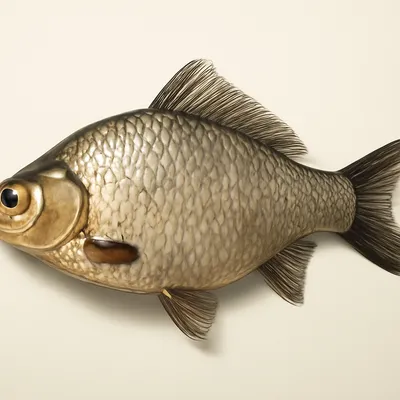

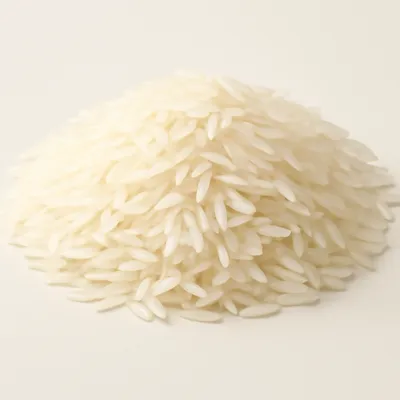

Funazushi belongs to the oldest stratum of Japanese sushi: narezushi, in which fish was preserved by packing it in rice and letting lactic-acid fermentation do the work, a method that reached Japan from continental Southeast Asia. Salted-and-fermented fish preparations are recorded in early Japanese texts—the term appears in legal and administrative documents from the Nara and Heian periods (8th–12th centuries)—and Lake Biwa, Japan's largest lake, has long been a center of the practice; funazushi is widely regarded as the oldest surviving form of narezushi. Over the centuries, mainstream sushi diverged toward shorter-fermented and finally vinegared, unfermented forms—namanare, then the quick nigirizushi of Edo—until the rice was no longer fermented but eaten. Funazushi preserved the original method, which is why it is treated as a living ancestor of sushi rather than a regional curiosity. It remains a celebrated specialty of Shiga.
Funazushi is an acquired, powerful taste. The flesh is firm and dense, sometimes almost crumbly, with a sourness as sharp as strong vinegar and a deep, funky, fermented aroma that many compare to a pungent aged cheese. Roe-filled females (komochi) are especially prized: the packed orange eggs are granular and rich, with a cheese-like smell and a softer, almost custardy bite against the tangy flesh. It is salty, intensely savory with fermentation umami, and meant to be eaten in thin slices and small bites, often with sake or plain rice to balance it. Well-made funazushi is clean-sour and richly aromatic; a spoiled batch turns rancid and acrid rather than pleasantly sharp.
Funazushi is preserved by lactic-acid fermentation, the principle behind all narezushi. Packing the salted fish in cooked rice creates a dense, near-airless environment in which lactic-acid bacteria feed on the starch and produce organic acids; this drives the pH down to a strongly acidic level that, together with the salt, suppresses spoilage and pathogenic microbes and lets the fish keep for a year or more without refrigeration. The same acids and the enzymatic breakdown of the fish's proteins generate the intense sourness and the free amino acids that give funazushi its deep savory umami and cheese-like aroma; over the long ferment the bones soften enough to eat. The initial heavy salting both starts to preserve the fish and draws out moisture so the later rice fermentation proceeds cleanly. Because the rice is consumed by the bacteria and turns sour and pasty, in the strict traditional method it is discarded and only the transformed fish is eaten.
Variations
The most prized form is komochi-funazushi, made from roe-bearing female nigorobuna so that each slice shows a dense core of fermented eggs; fish caught just before spawning are sought for this. Other lake fish are given the same treatment, and Shiga has a broader family of funa and fish narezushi. The fermenting period varies from several months to two or three years; longer ferments are softer-boned and more intense. Funazushi is eaten in thin slices on its own, with sake, or over rice, and the sour fish is sometimes used to flavor ochazuke (rice with tea or broth poured over). It is one of a wider Japanese narezushi tradition that also includes preparations like kaburazushi and various local fish-and-rice ferments.
On the Palate
Where Funazushi sits in the Japanese flavor cloud
Ingredients
Serves 20How it's made
8 steps · 1 hour
- 120 min
Scale and gut whole funa (crucian carp) through the gills and a small opening, keeping the body and bones intact; for komochi funazushi, leave the roe in the females.
- 220 min
Pack the cavity and the fish solidly with salt, layer the salted fish in a vat under a weight, and leave to cure for several months.
Watch outPack the cavity and body solidly with salt with no gaps — thorough salting is what draws out water and blocks spoilage through the long cure.
- 35 min
Lift out the fish, rinse off the surface salt thoroughly, and let them drain.
- 410 min
Cook plenty of rice and let it cool to body temperature.
- 520 min
In a clean barrel, lay a bed of rice, then pack the fish belly-up, filling each cavity with rice, and build up alternating tight layers of fish and rice.
Watch outFill every cavity with rice and build tight alternating layers — packed dense and near-airless is what lets the lactic fermentation take over cleanly.
- 65 min
Press a drop-lid and a heavy weight on top, seal to keep air out, and store in a cool place.
Watch outWeight it down and keep it sealed and submerged — any part exposed to air rots instead of fermenting sour.
- 71 min
Let it ferment for many months, often more than a year, checking that it stays submerged and free of off-rot.
- 810 min
To serve, lift out a fish, scrape away and discard the fermenting rice, and slice the fish crosswise into thin rounds; serve in small portions.
Archive tool suggestions — not reviewed
These legacy suggestions have not been evidence-reviewed and are not presented as required tools.


