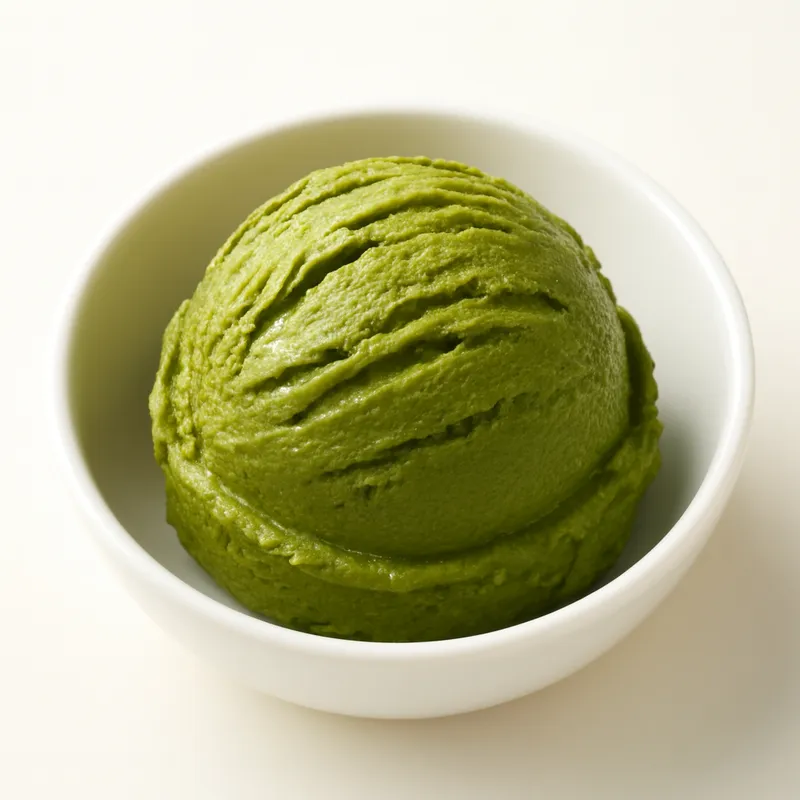
The ancient ancestor of all sushi: fish fermented with salt and rice for months, producing a strongly flavored, long-keeping preserved food. The rice is discarded before eating; only the fermented fish is consumed. Narezushi predates the vinegar-based haya-zushi of the Edo period by over a thousand years.
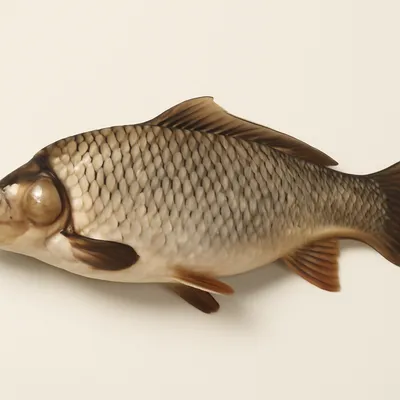
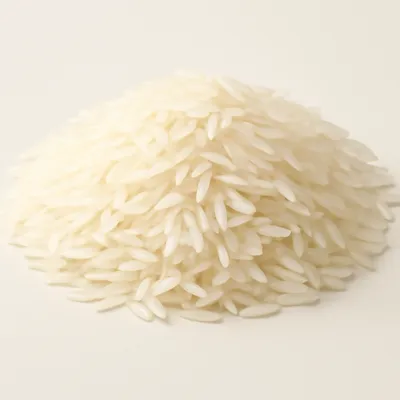

Narezushi is the earliest form of sushi, in which fish is fermented with salt and cooked rice for months to preserve it. Wikipedia documents it as the ancestor of all modern sushi. The technique originated in Southeast Asia and spread to Japan around the Yayoi period (roughly 300 BCE to 300 CE). During fermentation, the rice breaks down into lactic acid, which pickles and preserves the fish. The rice is discarded; only the fermented fish is eaten. Modern sushi — which uses vinegar to simulate the sourness of narezushi without the months-long wait — is a direct descendant. Funazushi from Shiga Prefecture, made with crucian carp, is the best-known surviving narezushi tradition.
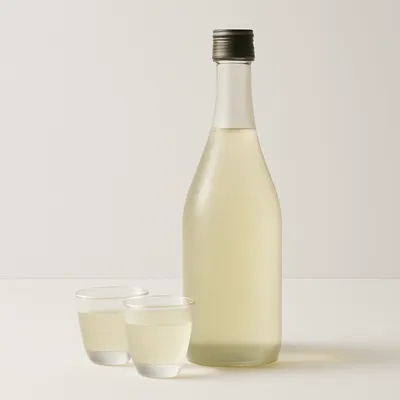
A piece of narezushi — specifically funazushi — is an acquired taste: the fish, after months of fermentation, has a pungent, cheesy, intensely sour aroma unlike any other Japanese food. The flesh is firm and slightly translucent, with a complex tang from the lactic acid. Eaten in thin slices with sake, it is a taste of medieval Japan that survives in a single prefecture.
Narezushi rests on lactic acid fermentation. The fish is salted, then packed with cooked rice; lactobacilli naturally present on the rice grain convert the rice's carbohydrates into lactic acid over months. The acid lowers the pH to a level that inhibits spoilage organisms, preserving the fish; it also denatures the fish proteins, firming the flesh and developing the characteristic sour, pungent flavor. The rice, now mostly decomposed into sour paste, is traditionally discarded — only the fish is eaten. This is the opposite of modern sushi, where the rice is the primary food and vinegar substitutes for the lactic acid that once took months to develop.
Variations
Funazushi (Shiga, crucian carp) is the most famous; narezushi traditions survive in limited regional forms. The fermented-fish-with-rice principle is the constant.
On the Palate
Where Narezushi sits in the Japanese flavor cloud
Ingredients
Serves 8How it's made
6 steps · 30 min
- 15 min
Salt the fish heavily; press under weight for several days.
Watch outSalt the fish heavily and press under weight for days — this draws out the water that would otherwise let it rot before the ferment protects it.
- 25 min
Rinse; pack with cooked rice in a sealed container.
- 32592000 min
Ferment at cool room temperature for 6 months to a year.
Watch outFerment cool for months until the rice turns to sour paste and the fish firms and sours — that lactic acid is what preserves it; rush it and it spoils instead.
- 45 min
The rice decomposes into sour paste; the fish is preserved.
- 55 min
To serve: discard the rice; slice the fermented fish thinly.
- 65 min
Serve with sake.